
A leading Chinese scientist whose research into the genetics of soybeans was deemed “critical for national food security”, has died at the age of 61 following an illness, according to an obituary published by his institution on November 19.
Zhang Jinsong was a doctoral supervisor and expert in plant stress tolerance and soybean functional genomics with the Institute of Genetics and Developmental Biology under the Chinese Academy of Sciences (CAS) in Beijing.
His research is credited with enriching the theory of plant signal regulation – the study of how plants detect external stimuli and translate them into physical or chemical responses – and advancing soybean molecular breeding technologies.
Zhang was also hailed for making “important contributions” to the development of China’s crop molecular genetics and self-reliant innovation within its soybean seed industry.
He was involved in scientific research for more than three decades, tailoring his work to “address the major demands of national food security”, the obituary read. “His passing is a loss to our country’s agricultural science and technology community.”
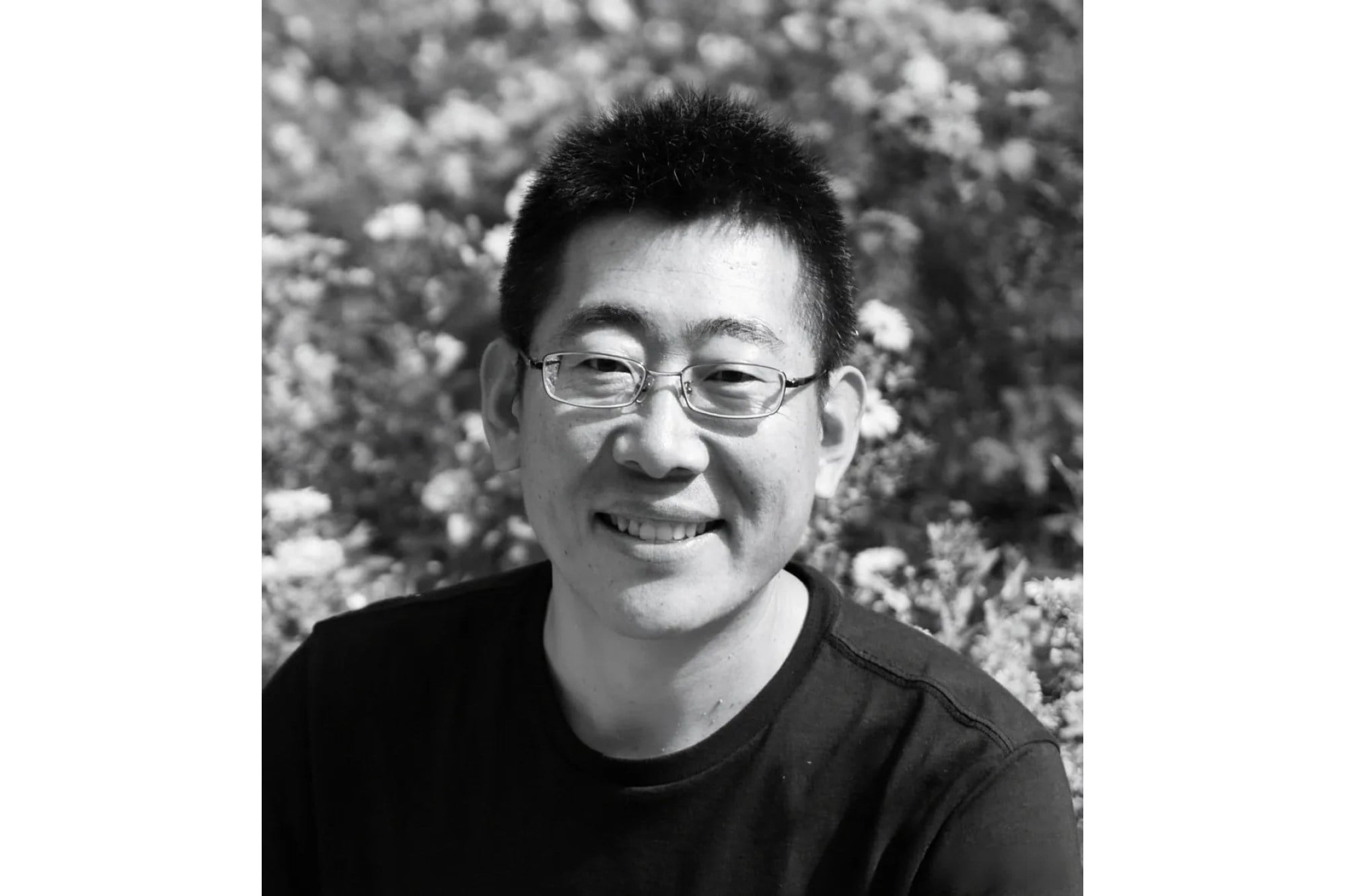
Born in Beijing’s Huairou district in 1965, Zhang earned his bachelor’s degree from Peking University’s biology department in 1986 before completing a PhD at the same institution.
In 1994, after three years as an assistant researcher at CAS, Zhang moved to the United States to do postdoctoral research at Kansas State University. He returned to the CAS Institute of Genetics and Developmental Biology in 1997, where he worked until his death.
Public records show the agricultural biologist led more than 10 national-level research projects, some funded by the National Key Research and Development Programme which focuses on long-term, public-interest research in critical areas.
Zhang’s top-level research projects also included initiatives funded by the National Natural Science Foundation of China (NSFC), the country’s main funding mechanism for basic research.
His scientific achievements included the discovery of a batch of key genes and germ plasma resources – crucial biological materials for breeding new varieties – that regulate crop yield, quality and stress tolerance.
In December last year, Zhang and his team reported identifying a key gene expression factor affecting lipid content in soybeans, in a paper published in the Journal of Integrative Plant Biology.
“Using bioinformatics, systems biology, genomic and molecular approaches, we have identified genes involved in the control of lipid biosynthesis,” Zhang noted on his institution’s website.
Over the course of his career, Zhang published more than 160 papers in prominent domestic and international academic journals and held more than 40 authorised invention patents.
Among his many accolades, Zhang was a recipient of the National Science Fund for Distinguished Young Scholars, one of the NSFC’s most prestigious funding categories.
He was also awarded first prize in the Heilongjiang Provincial Science and Technology Awards, though the specific research tied to this honour was not detailed.
China is the world’s biggest importer of soybeans, with imports accounting for around 85 per cent of China’s total supply in 2023, according to a report published last year by S&P Global. Most of these are used as an affordable protein source for animal feed.
According to a White House statement, China has committed to buying at least 25 million tonnes of US soybeans annually through 2028, alongside an additional US$17 billion per year in American agricultural products, adjusted proportionally for 2026. -- SOUTH CHINA MORNING POST