BEIJING: A city in eastern China has given its retired buses a new lease on life by turning them into mobile cafes, helping save the jobs of more than 200 transit workers facing lay-offs.
In 2023, Liang Yu left her job as a station attendant with the public transit group in Zaozhuang, Shandong province, to become a barista, according to the Southern Metropolis Daily.
A decommissioned bus, retrofitted as a mobile coffee shop, marked the start of her new career.
As ride-hailing apps, electric bikes and private cars have proliferated, China’s public bus ridership fell to roughly half its 2019 level by the end of last year.
While many local governments have replaced fuel-powered fleets with electric buses to cut energy costs, the high upfront cost of large-scale purchases can outweigh the savings for smaller cities with tighter budgets.
According to local reports, Zaozhuang officials realised that the transit system’s most valuable assets were not the vehicles themselves, but its prime downtown locations and the public’s long-standing trust.
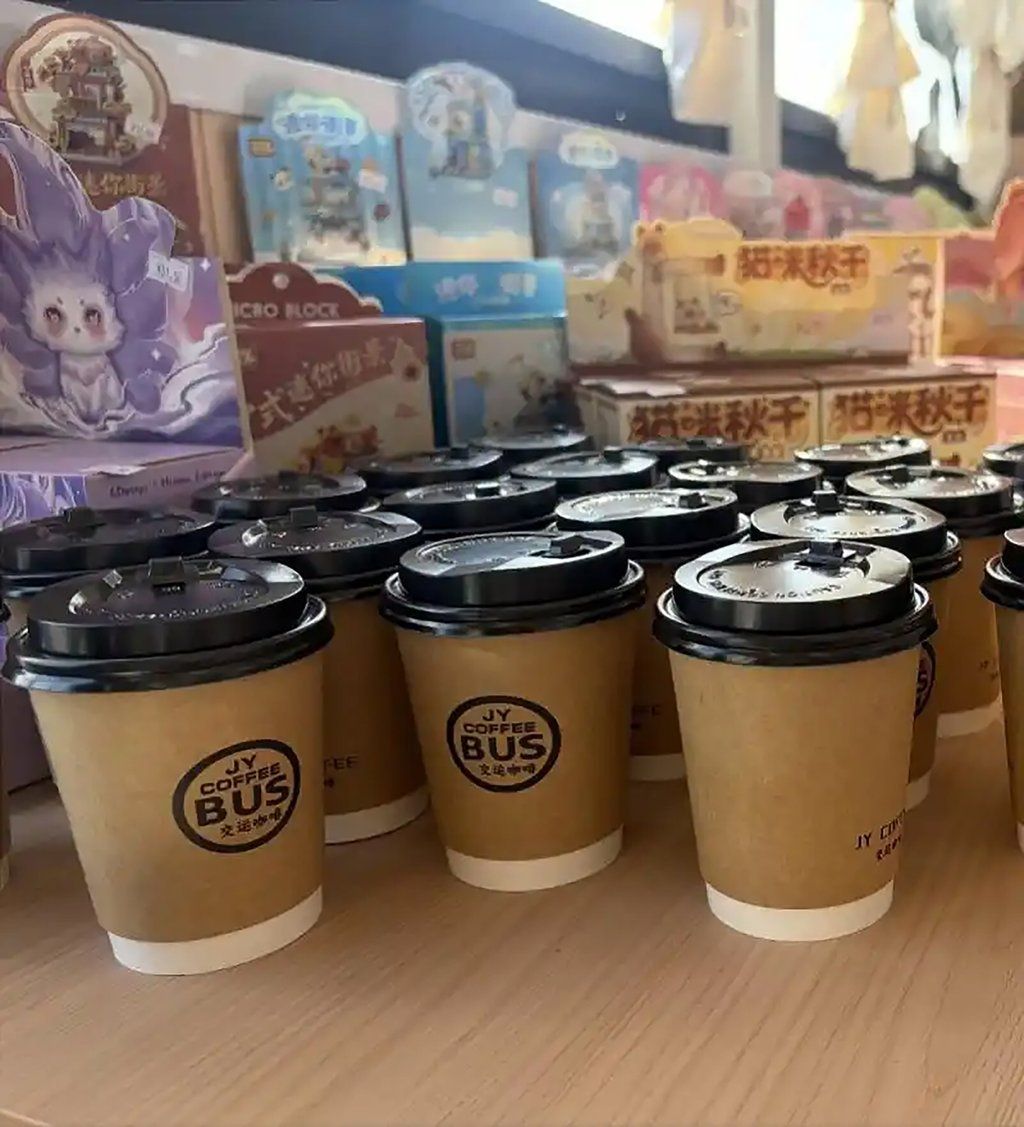
Today, mobile cafes pop up across the city, parking at busy shopping malls and public squares during holidays.
At 12 yuan (US$1.8) for an Americano, the bus cafes offer an affordable and convenient option.
Liang told mainland media that the coffee shop has been popular with young office workers and has boosted her income.
More than 200 drivers and bus ticket sellers whose jobs were affected by the shift to electric vehicles underwent systematic training to become baristas and cashiers.
Zaozhuang’s creative bus project has since expanded to include wedding vehicles, discount supermarkets and mobile hotels, reportedly generating a total of 65 million yuan (US$9.8 million) in revenue.
For 999 yuan (US$150), newlyweds can rent a decorated bus for a day, often featuring auspicious route numbers such as “1314,” which sounds like the Chinese phrase for “a lifetime together.”
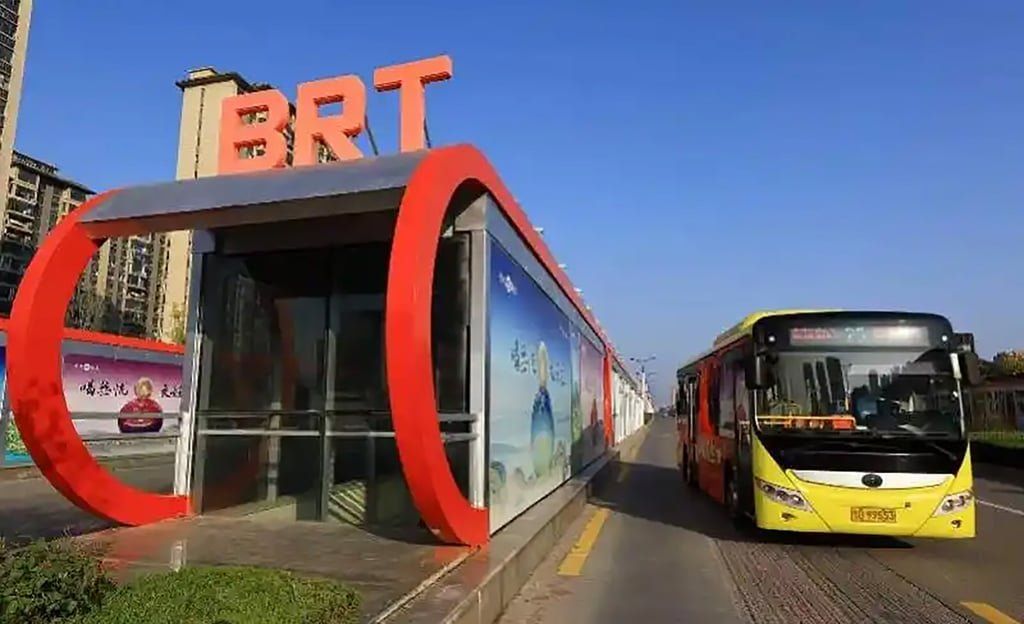
Meanwhile, convenience stores built into bus stops now stock transit-themed souvenirs alongside local specialties, including steamed buns shaped like red pomegranates.
Zhang Miao, a former Bus Rapid Transit attendant, transferred last year to a discount supermarket converted from a bus terminal.
Taking on everything from inventory management to unloading cargo, she quickly rose to become deputy manager.
Online reactions to the project have been mixed.
One netizen praised the city’s “strong sense of social responsibility” for helping veteran workers find new ways to contribute rather than laying them off.
Another questioned the model’s profitability, asking: “Barely anyone rides the bus in small cities any more; will people really be willing to buy coffee that costs more than a bus fare?”
Still, the city’s approach offers a heartwarming example of reinvention as technology threatens traditional livelihoods.
Similarly, several cities in southern China have launched entertainment buses offering dim sum, karaoke, movie screenings and even haircuts aboard decommissioned buses. - South China Morning Post