
While Jensen Huang has reclaimed his seat atop Nvidia, his days as Silicon Valley’s most visible and frequent emissary to China are likely over as the United States tightens its chip export controls, according to analysts.
Following the 63-year-old’s brief departure amid internal and congressional probes into his extramarital affairs and China ties, observers are questioning whether Huang can maintain the Beijing-friendly posture that defined his recent tenure.
Over the past two years, Huang has waged a hands-on charm offensive in China, rallying local staff and reassuring Beijing of Nvidia’s commitment to the market despite escalating US trade curbs.
Since ending a pandemic hiatus in January 2024, he has travelled to mainland China at least six times, making frequent stops in Beijing, Shanghai and the southern technology hub of Shenzhen.
However, with a newly created national security and export control oversight committee, established by Nvidia’s board last week, now scrutinising the US$4 trillion chipmaker’s operations, industry watchers expect Huang to adopt a far lower profile.
“I doubt Jensen would want to be as vocal as before in backing sales of chips to China,” said Chelsey Tam, a senior equity analyst at Morningstar.
Tam expected Washington to adopt even more restrictive policies on artificial intelligence technology transfers to China than those in place before the Huang scandal erupted. Rather than fighting losing battles in Beijing, she added, Huang should focus his efforts on backing the American open-source ecosystem.
Still, some observers in China believe Huang is unlikely to stop visiting the country altogether.
“He will still come as long as [US President Donald] Trump supports him,” said Zheng Lei, an adjunct professor at the Shenzhen Finance Institute of the Chinese University of Hong Kong.
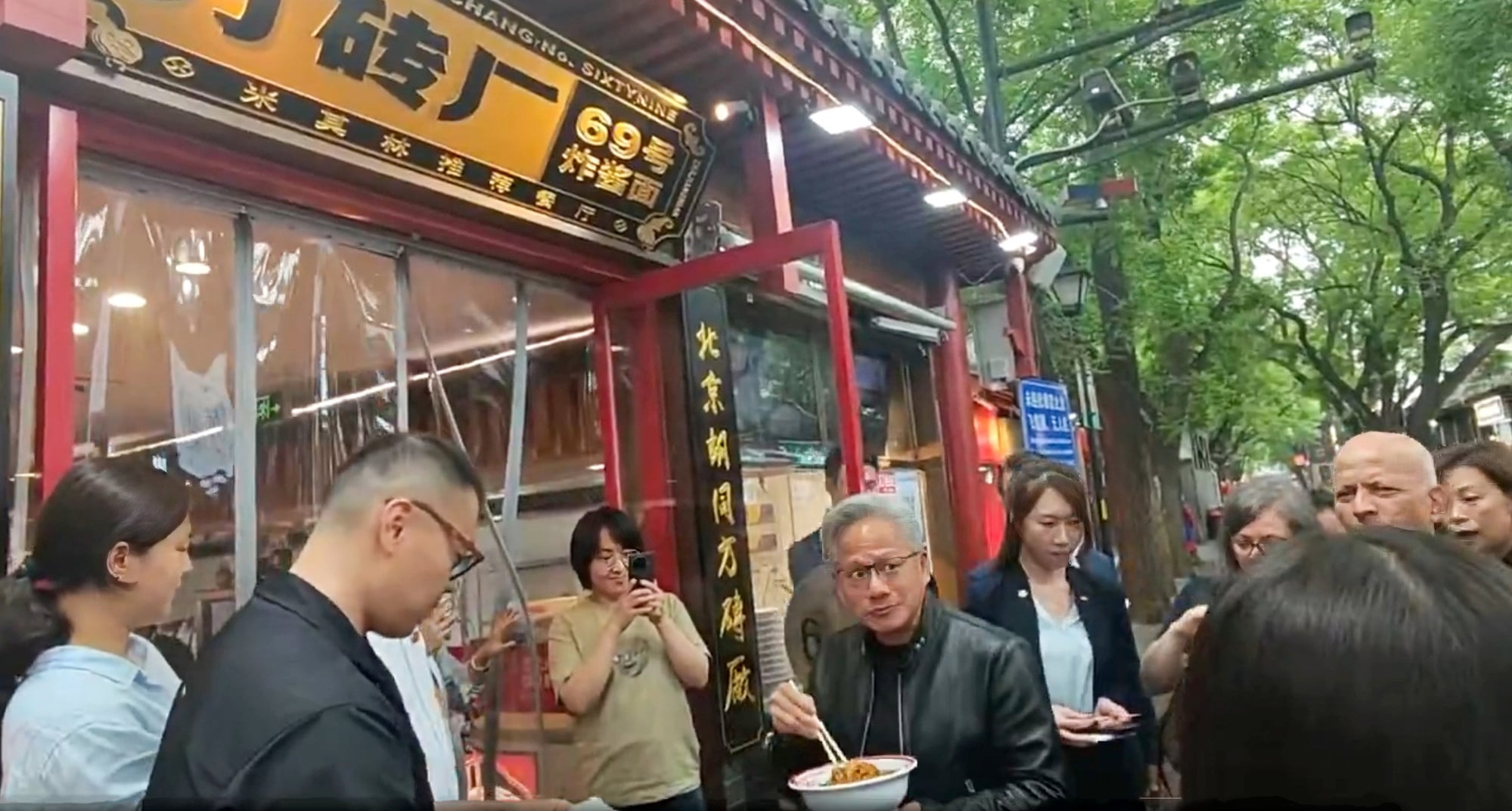
Even if those visits continued, however, they would take place against a backdrop of stricter controls on high-end AI chips as regulatory grey areas were squeezed out, Zheng noted.
That crackdown accelerated last week when the US Commerce Department issued new rules requiring licences for advanced chips sent to overseas data centres that remotely supply large-scale computing power to Chinese and other restricted entities via third countries.
The move aims to close what Washington viewed as a major export control loophole. The department followed up on Monday by adding Megaspeed, the Singapore-based cloud computing firm at the centre of the Nvidia controversy, to its trade blacklist.
Rather than Huang’s personal affairs, the real issue appeared to be his “resolute advocacy for selling chips to China, his refusal to do any more than the bare minimum to abide by export control rules, and – his most ardent critics allege – turning a blind eye towards actual smuggling,” said tech analyst Ben Thompson in his Stratechery newsletter on Tuesday.
Looking ahead, Thompson warned that “Huang’s Chinese interactions are going to be investigated by a Democratic Congress empowered by the anti-AI wave at the ballot box”.
Nvidia, which has not admitted to any wrongdoing, has said it will cooperate with ongoing government inquiries over trade compliance and national security risks.
A central question remains whether Nvidia will resume sales of its H200 or more advanced AI processors to China.
During an earnings call last week, executives – including chief financial officer Colette Kress – said Nvidia would no longer ship its Hopper series data centre processors, including the previously licensed H200 chips, to China.
Washington, however, appears to have left the door open for Nvidia to do so.
US Treasury Secretary Scott Bessent said last week that the policy allowing H200 sales to China remained unchanged following a meeting between Trump and Chinese President Xi Jinping in Shenzhen, while Trump even suggested that Nvidia’s cutting-edge Blackwell chips could be sold to China within two to three years. -- SOUTH CHINA MORNING POST