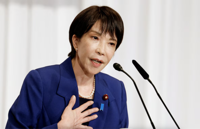
MANILA, Philippines (AP): Japanese Prime Minister Sanae Takaichi proposed Tuesday the creation of an Asian energy agency to help countries in the region cope with oil crises, such as the shocks from the Iran war.
Takaichi called for setting up an oil security task force and a Japan-based version of the International Energy Agency for the region. She put forward the plan at a meeting on the sidelines of the annual summit of the Association of Southeast Asian Nations in the Philippine capital, Manila.
"We would like to position this as an Asian version of the IEA,” Takaichi said.
The IEA is a multigovernmental but independent agency set up in 1974 in response to a severe oil crisis in the early 1970s. It provides policy recommendations and helps to coordinate oil reserves of its members. The Iran war that began in late February has raised the sense of urgency over energy security, especially in Asia.
Japan would help lead an Asian oil security task force, along with the Indonesia-based Economic Research Institute for ASEAN and East Asia, or ERIA, an energy security research organization, to develop rules for emergency releases and sharing of oil from national stockpiles, Takaichi told a meeting of the Asia Zero Emissions Community.
Japan is one of many Asian countries that depend heavily on imports of oil and gas. Takaichi's proposals follow a Japanese-led initiative announced in April to strengthen energy supply chains and cooperation in the region.
The region also should cooperate in stockpiling oil and set up a joint reserve system for Southeast Asia, Takaichi said. Idled oil storage tanks in Japan could be used for reserves, she said.
Soaring prices for oil and gas and disruptions to the shipping of oil from the Persian Gulf through the Strait of Hormuz due to the war led some countries in Asia to take emergency measures to conserve energy. It also has prompted a faster shift to use of renewable energy such as rooftop solar and electric vehicles. - AP