




Brazilian President Luiz Inacio Lula da Silva’s re-election marks a turning point for Latin America and US-Latin American relations, said Chile’s former top envoy to China, who predicted a slowing of Washington’s regional push.
“I do think the re-election of President Lula marks a major turning point in Latin America and in US-Latin American relations, while also having a broader significance for the Global South,” said Jorge Heine, who served as Chile’s ambassador to China from 2014 to 2017 and is now a non-resident fellow at the Quincy Institute.
Lula, who turned 81 on Tuesday, defeated Flavio Bolsonaro – a Brazilian senator, son of former president Jair Bolsonaro and ally of US President Donald Trump – in Sunday’s run-off, winning 51.8 per cent of the vote to secure a historic fourth non-consecutive term.
Chinese President Xi Jinping on Tuesday congratulated Lula on his re-election, saying bilateral ties had become “an example of solidarity and cooperation among Global South countries” fostered by their close communication, according to a Chinese foreign ministry statement.
Xi said Lula had “made important contributions to the development of China-Brazil relations” and pledged to work with him to broaden cooperation prospects and improve the well-being of the two countries’ peoples.
Flavio Bolsonaro has refused to concede, alleging irregularities and calling for the result to be annulled. Trump questioned the result on Monday, saying it looked like “another rigged election”.
Heine said Trump had been “on the offensive in Latin America in the application of the Donroe Doctrine”, referring to the American leader’s effort to reassert American primacy in the western hemisphere.
“Lula has been one of the few leaders who has been willing to stand up to him,” Heine added.
“The fact that Lula has been re-elected sends a powerful message to the region. I expect a slowdown of this offensive, for which this electoral result represents a major setback.”
Lula’s victory interrupts a broader rightward shift in Latin America, where governments in Argentina, Chile, Colombia and Ecuador have moved closer to Washington. Trump had hoped Flavio Bolsonaro would join that camp.
Last year, Trump called for tariffs and sanctions against Brazil over what he called a political witch hunt against the elder Bolsonaro, who was later sentenced to more than 27 years in prison over a coup plot.
Lula rejected the pressure as interference in Brazil’s domestic affairs, casting his response as a defence of national sovereignty.
Despite improved ties following a White House meeting with Trump in May, Lula has made clear that Brazil would not exclude Chinese investors from processing rare earths and critical minerals, an area of keen competition between Washington and Beijing.
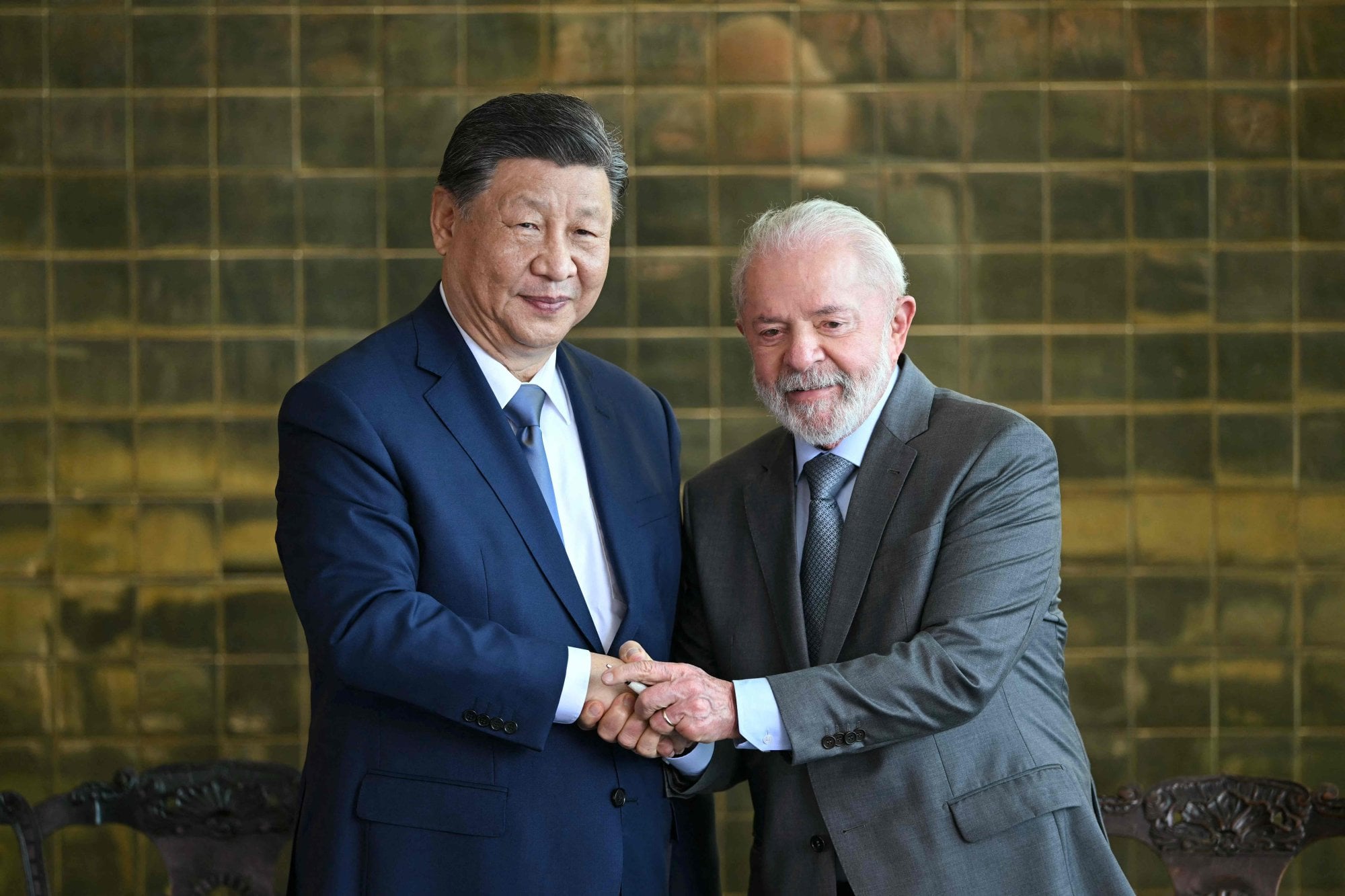
Heine expected Beijing and Brasília to continue coordinating diplomatically, even though their interests do not always align.
China is Brazil’s largest trading partner, buying commodities including soybeans, beef, iron ore and oil. In 2025, Brazilian exports to China exceeded US$100 billion.
Brazil is also a member of Brics, the grouping of major emerging economies that includes China, Russia, India and South Africa.
Amid rising US assertiveness, the rapidly expanding bloc has become a leading voice for the Global South. China is in line to take over the bloc’s rotating chairmanship next year.
“Brazil’s interests are different from those of China in many ways, but they converge in terms of one thing: their commitment to the issue of development as the central question for the Global South,” Heine said.
Looking ahead, the former Chilean ambassador to Beijing expected the two countries would “continue to work together diplomatically on many fronts, as they have throughout the years, though not necessarily on UN reform”.
Brazil has long sought a permanent seat on the UN Security Council, while China has been cautious about expanding permanent membership.
Meanwhile, Lula will face domestic constraints from a strong right-wing bloc in Congress, limiting his room for manoeuvre even as his victory gives him a fresh mandate to pursue an independent foreign policy.


