




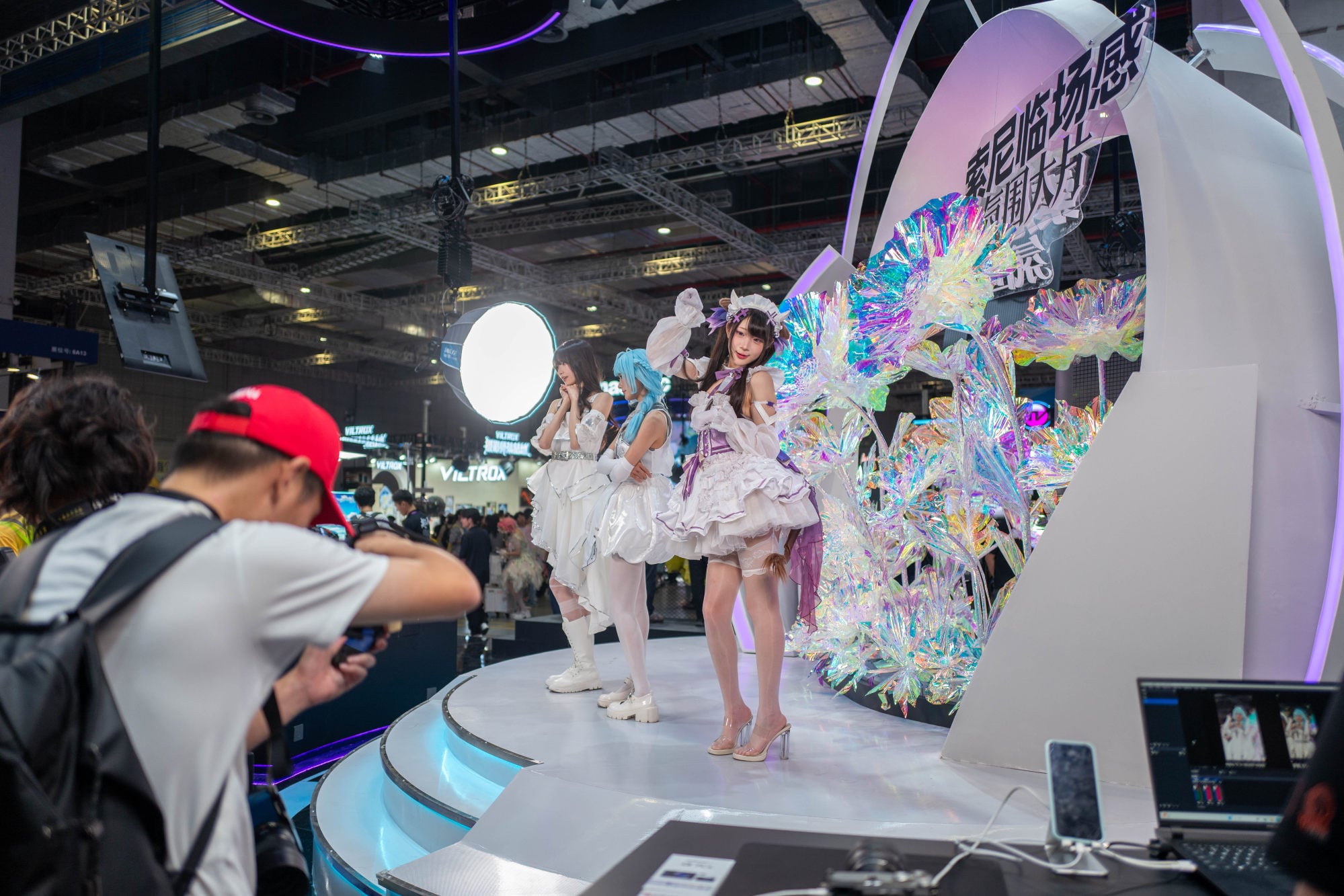
The Qing dynasty’s Empress Dowager Cixi is renowned as a cosplay enthusiast, leaving behind photographs and paintings of herself embodying the Buddhist Goddess of Mercy, Guanyin. However, she was not the first to engage in such role-playing while on the throne.
Long before Cixi (1835–1908), the Qing dynasty’s emperors Yongzheng (1678–1735) and his son, Qianlong (1711–1799), indulged in role-playing, as evidenced in numerous paintings.
Yongzheng, whose reign lasted 13 years, was known as a strict and relentless workaholic. Thus, the contrast of his playful side revealed in the role-playing paintings often surprised many.
He left behind two albums titled The Album of the Yongzheng Emperor in Costumes, each featuring paintings of him portraying various characters, including a Taoist priest, a Buddhist lama, a Han intellectual, a peasant, and even a European figure.
These paintings lack specific dates, with some scholars suggesting they were created before his ascension to the throne, intended to win his father Kangxi’s favour and secure the crown.
One interpretation is that Yongzheng’s diverse portrayals demonstrate his openness and inclusiveness, suggesting his potential as a wise ruler. Conversely, by presenting himself as a peasant, he reveals an indifference to power, setting himself apart from his brothers.
His son, Qianlong, took this cosplay hobby to new heights. Not only did Qianlong enjoy embodying characters in life, but he also commissioned painters to recreate ancient artworks he admired, placing himself in the role of the protagonist.
For instance, favouring the Qing dynasty (1644–1912) painter Leng Mei’s Admiring the Moon, which is now part of the National Palace Museum’s collection in Taipei, Qianlong instructed court artists to replicate the piece with himself as the man admiring the moon – creating an early form of what could be likened to Photoshop.
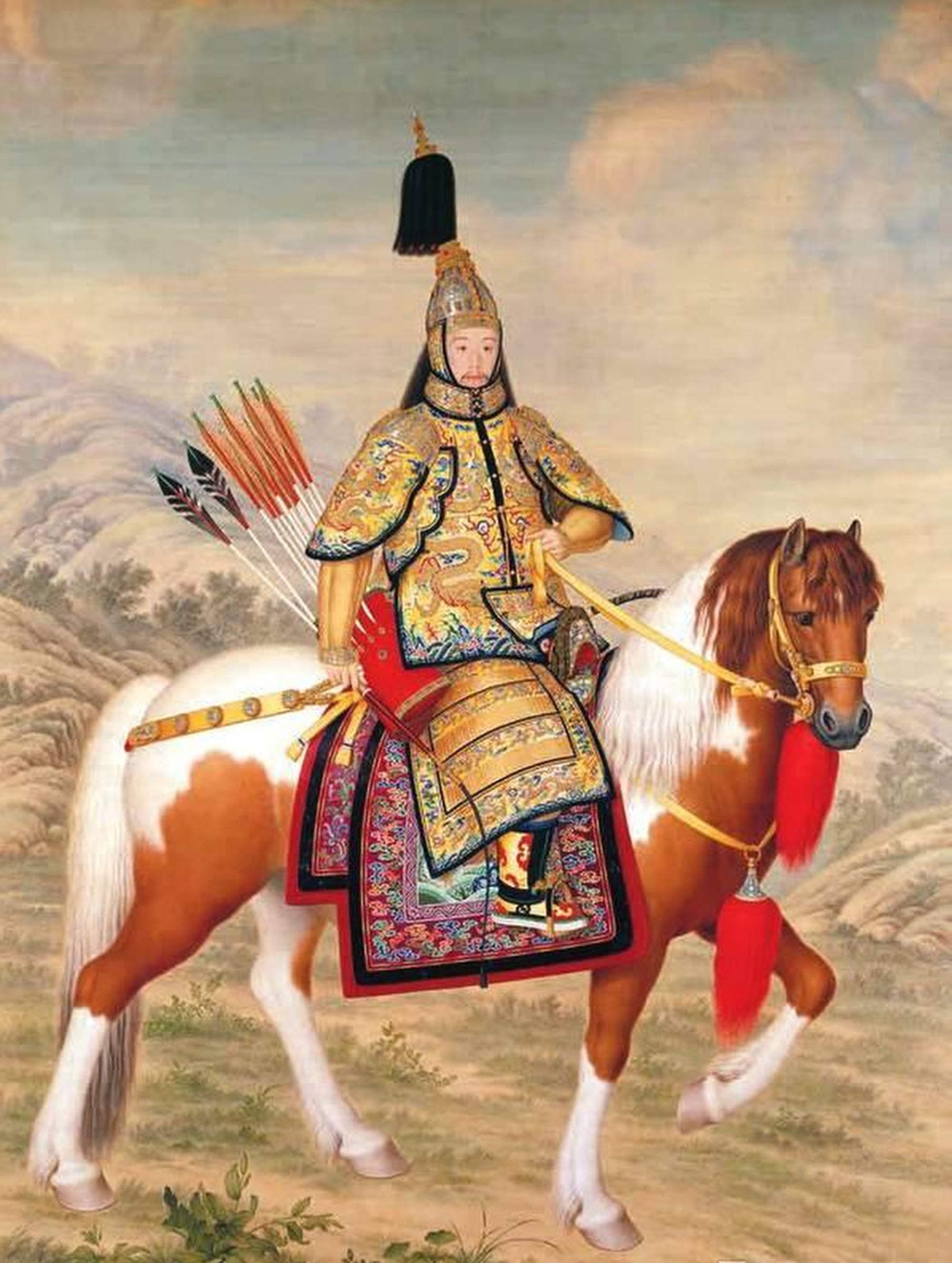
Often dubbed the famous narcissist emperor, Qianlong is recognised as the emperor with the most portraits in Chinese history. In fact, featuring him in a single painting was sometimes insufficient; he would appear in multiple roles within one artwork.
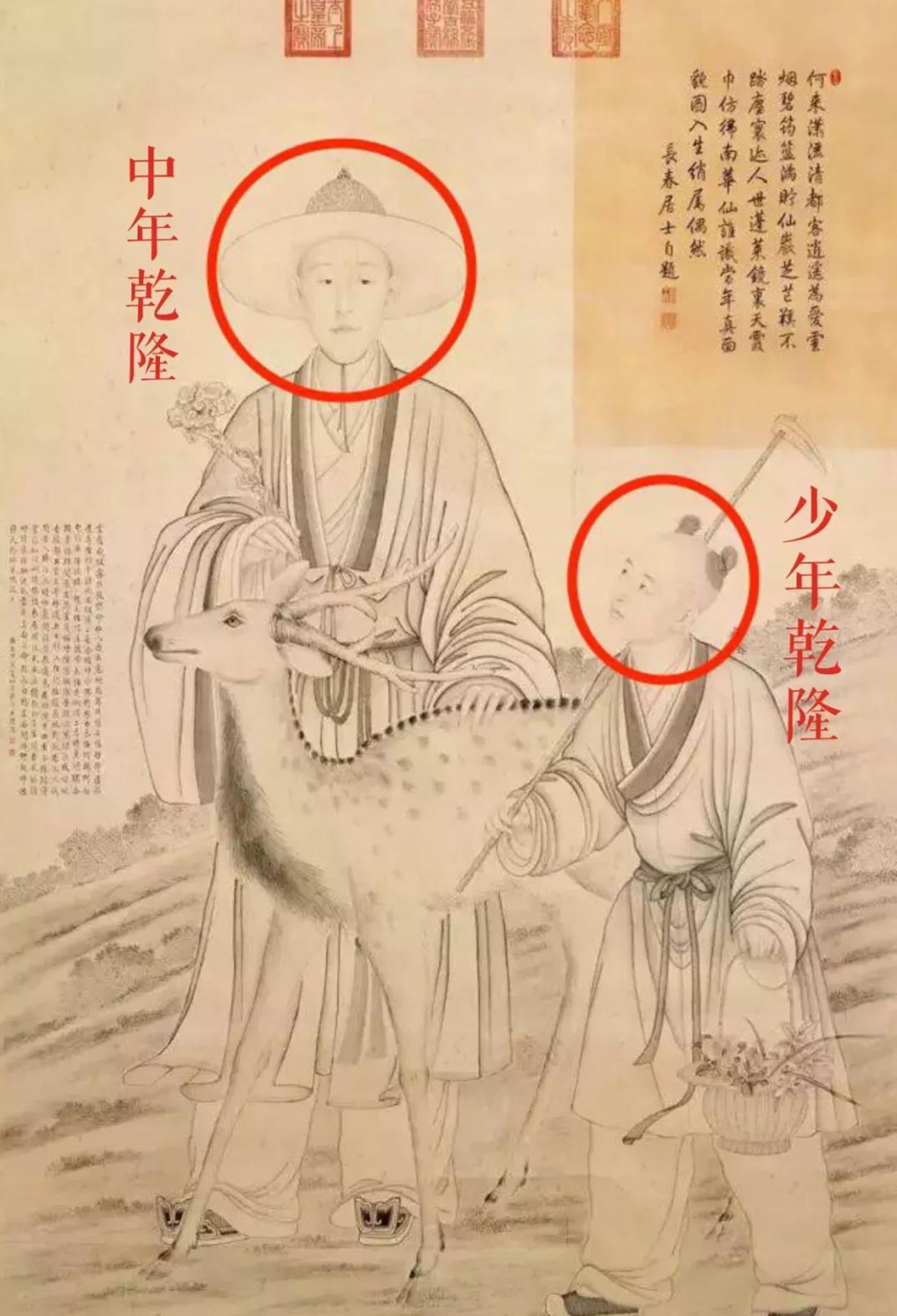
A notable example is Qianlong Emperor Collecting Lingzhi, which depicts a composed Han man accompanied by a sika deer and a teenager carrying a basket and a hoe. It is believed that both men represent Qianlong himself.
Moreover, Qianlong commissioned court painters to replicate an anonymous Song dynasty (960–1279) painting, again depicting himself as the primary character. In the unusual painting titled Emperor Qianlong Appreciating Antiques, he appears both as the appreciator of artefacts and as a figure within the artwork he admires.
In this piece, he dresses as the original character – a Han person – though it is believed that Qianlong never donned Han attire in reality, as that contravened strict costume regulations.
He also enjoyed displaying his costume portraits throughout the Forbidden City.
Despite providing a wealth of visual evidence for their cosplay passions, these Qing dynasty rulers still fell short of Emperor Ling (156–189) of the Han dynasty (202 BC–220), who was documented as having cosplayed a street vendor in his palace’s harem. He also encouraged his concubines, maids, and eunuchs to participate in role-play alongside him. -- SOUTH CHINA MORNING POST



