




Two years after her armed, mentally ill husband was fatally shot by a Hong Kong police officer, Mrs Li is still waiting to learn whether a death inquest will be held.
On September 15, 2024, she called police when her 38-year-old husband, who had a history of mental illness, attacked his elderly mother and her at their North Point home.
Officers wielding shields arrived and found the man holding a 30cm (11.8-inch) knife and a pair of scissors.
Little did Mrs Li, who preferred to be identified by her spouse’s surname, expect that the day would end in tragedy.
Police said an officer eventually shot the man at a distance of 1.5 metres (4.9 feet) after he allegedly ignored repeated warnings during a 30-second stand-off and attempted to attack them.
Now, all she wants is for a death inquest to be held as soon as possible to bring closure to herself and her husband, to whom she had been married for 10 years.
“I need no sympathy or pity. I just need an answer and hope to prevent this tragedy from happening again,” she said.
“It’s been two years, yet there is still no news. I’m anxious that this matter will just be left unsettled, and my husband’s death went unexplained.”
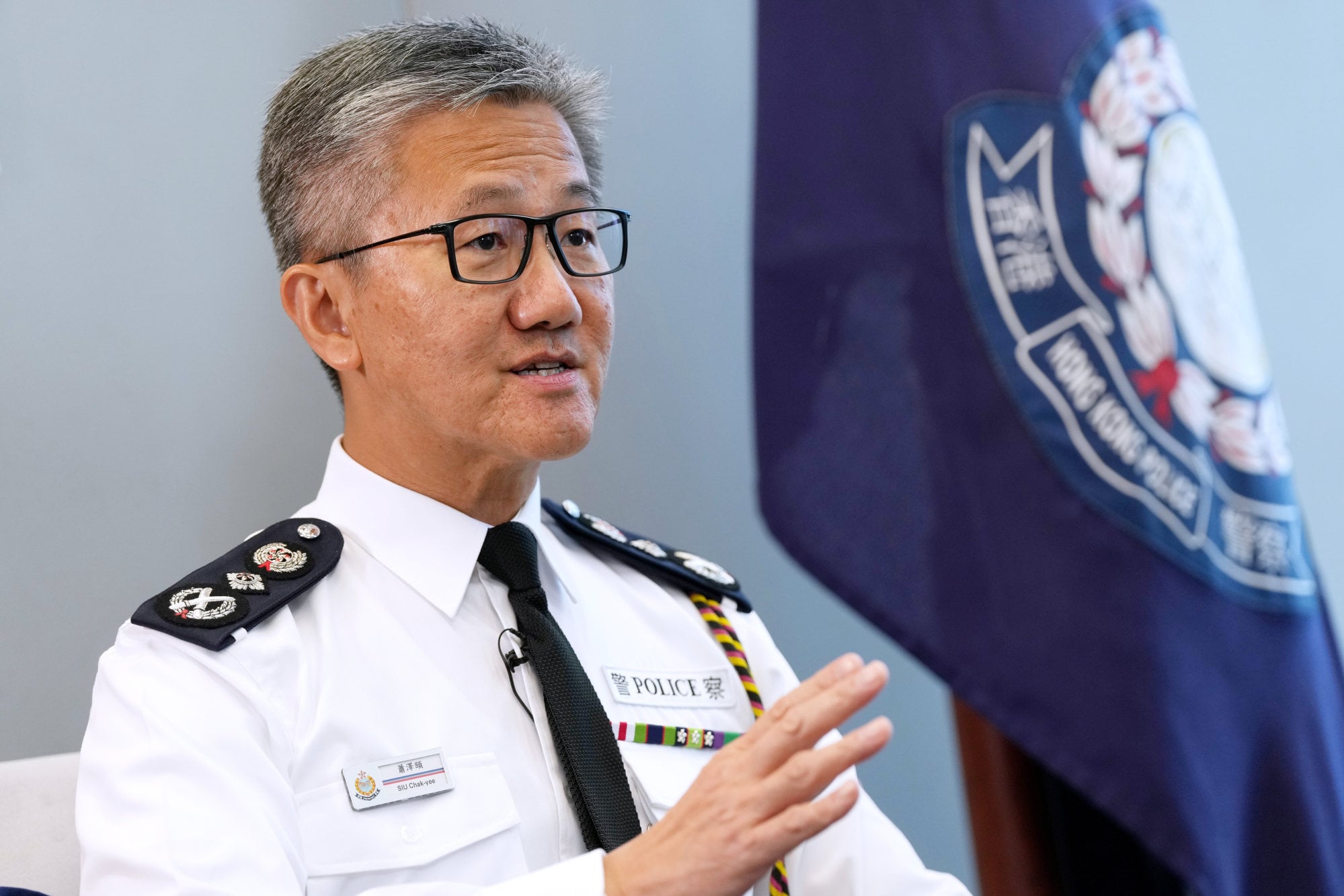
The then commissioner of police Raymond Siu Chak-yee defended the officer’s decision to shoot the man because he followed the guidelines on firearms use.
Siu said police would submit a death investigation report to the Coroner’s Court and “recommend the court hold a death inquest as soon as possible”.
But Li barely heard anything about it over the past two years.
In February last year, she received a letter from a coroner confirming that the cause of death was a gunshot wound to the chest.
In early April, she wrote to the court to inquire about a death inquest.
In response, the court said police had been instructed to produce a death investigation report, and a decision on whether to hold an inquest would be made after receiving the complete report.
Since then, she has called the Coroner’s Court general hotline every month to check on the progress, only to be told: “The investigation is still under way.”
On the other hand, she stopped contacting police after the contact person who treated her kindly retired.
Only an officer from the Complaints Against Police Office continued to check on her regularly, but declined to reveal details of their investigation.
“Every step has been very hard for me ... I’m always afraid that something bad will happen to me and no one will be left to follow up on my husband’s case,” she said. “I hope everything can go faster.”
In the first few months after her husband’s death, she was unable to eat and sleep well, losing over 20 pounds (9kg) in just one month.
Now, she suffers from a failing memory, slowed reaction times and wakes up repeatedly throughout the night.
Whenever she has a moment to herself, the memory of her husband covered in blood and surrounded by police after being shot floods back into her mind.
“I deeply regret calling police. I made a call, and then he died ... I will not forgive myself for the rest of my life,” she said.
“My intention was simply to have my husband taken to hospital, as we did before.”
She questioned why officers discharged a fatal shot to the chest rather than retreating down the stairwell or deploying non-lethal options such as pepper spray and shields.

In response to the South China Morning Post queries, police said they submitted the investigation report to the Coroner’s Court in June 2025.
The court requested further information, which was provided this month, and police were waiting for further instructions from the court.
As for the complaint filed with police, it is being handled in a “fair and impartial manner in accordance with established procedures”.
The judiciary declined to comment on individual cases.
It said the coroner would decide whether to hold an inquest after reviewing the report, and police might be directed to conduct further investigations if needed, with the deceased’s next of kin to be updated on the progress and decision on the inquest.
Under Practice Direction 39 on coronial procedures, which took effect in June last year, if an investigation is not completed within nine months of the date of the interim report, or if no decision whether to hold an inquest has been made, the court will, where appropriate, update the family every three months on the reasons for the delay – which did not happen in Mrs Li’s case.
The guidelines do not set a fixed deadline for supplying supplementary information once a report is submitted.
Tim Pang Hung-cheong, a community organiser at the Society for Community Organisation who helped Mrs Li, said he believed that the case would rely on expert assessment of firearms use and police protocols to evaluate whether the officer’s actions were justified.
“Without disclosing anything, families are left in this situation – with just one letter on hand and they have to reach out repeatedly in anxiety,” he said.
“Even after the report is submitted, it takes time for the pre-inquest [reviews] to be scheduled before the formal hearing; more waiting is anticipated.”
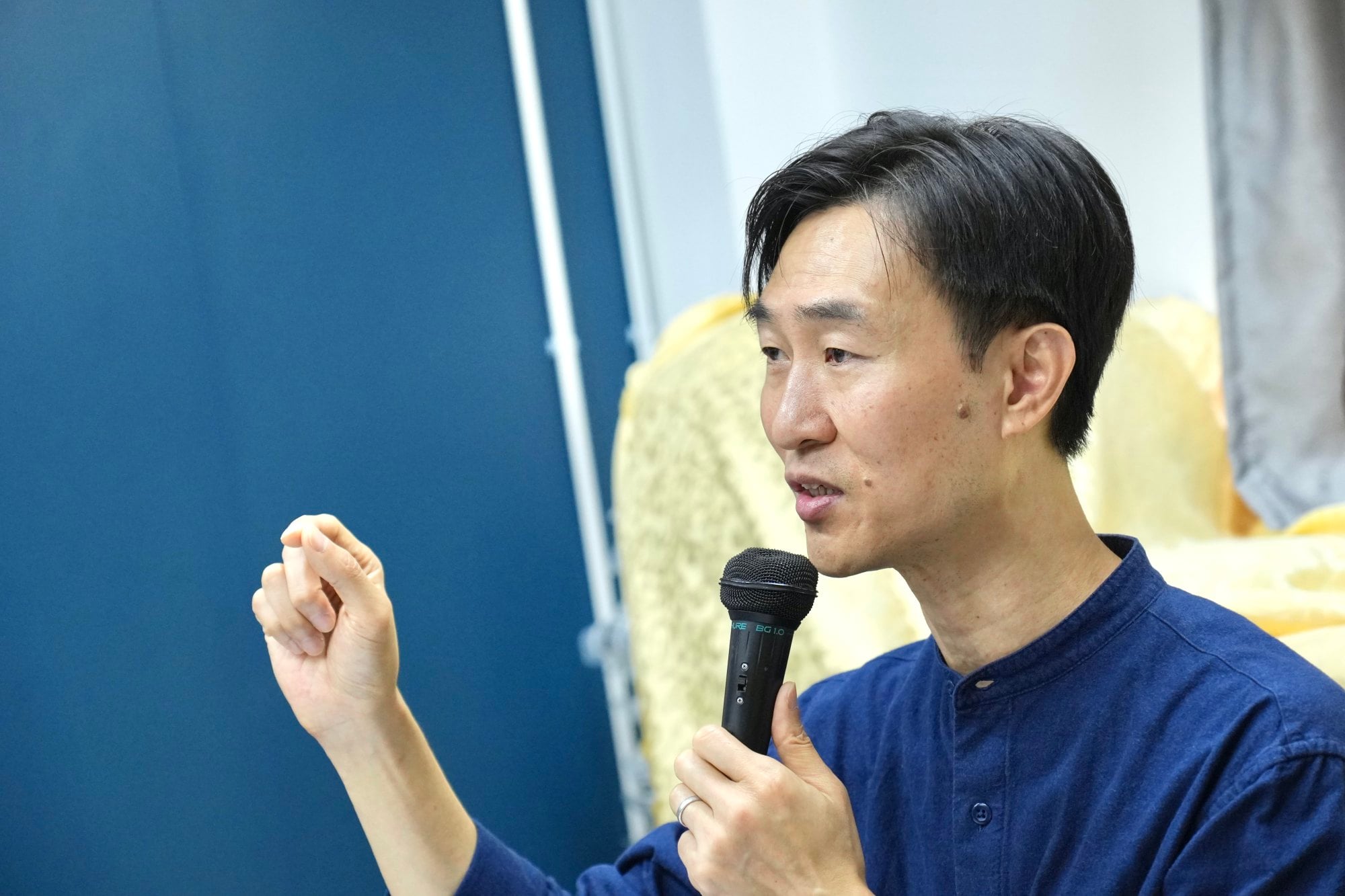
Delays of two to three years before a coroner’s inquest opens are not uncommon in Hong Kong, according to lawyer Jonathan Man Ho-ching.
Man said police handled death investigations alongside routine work without a dedicated unit, according to his understanding.
There are only three designated coroners in Hong Kong handling inquests while performing regular duties such as granting burial and autopsy orders, with their workload further compounded following major disasters such as the Wang Fuk Court fire that claimed 168 lives.
The primary recourse for families is to query the Coroner’s Court directly regarding the progress of their case.
“Just like any case, the longer a death inquest is delayed, the less ideal it is because witnesses might not be able to remember details, or might simply be unreachable any more, as seen during the Lamma ferry disaster inquests,” Man said.
“A wait is often inevitable ... which is very hard on families because an inquest allows them to understand what happened to their loved ones, providing closure and helping them move on.”
Man said he believed Hong Kong could do better in strengthening communication with bereaved families during these prolonged periods.
“In some jurisdictions, death inquiries are not treated purely as a legal procedure; caseworkers are assigned to families to help them navigate the process,” he said. -- SOUTH CHINA MORNING POST



