
The US military launched new air strikes on Iran on Tuesday, marking the latest escalation in a six-month war that has seen President Donald Trump alternate between threats, economic sanctions and force.
US Central Command (CENTCOM) announced on social media that the attacks were in response to the Islamic Revolutionary Guard Corps’ (IRGC) recent attempted attacks on commercial ships in the strategic Strait of Hormuz and against American service members deployed to the region.
“The strikes are large and powerful, and in retaliation for the Iranians’ failed attempt at adding sea mines to the Strait, which currently has no mines,” Trump said on his Truth Social platform.
“If the failed Nation of Iran retaliates for this very justified attack, they will be hit again at a much harder and higher level.”
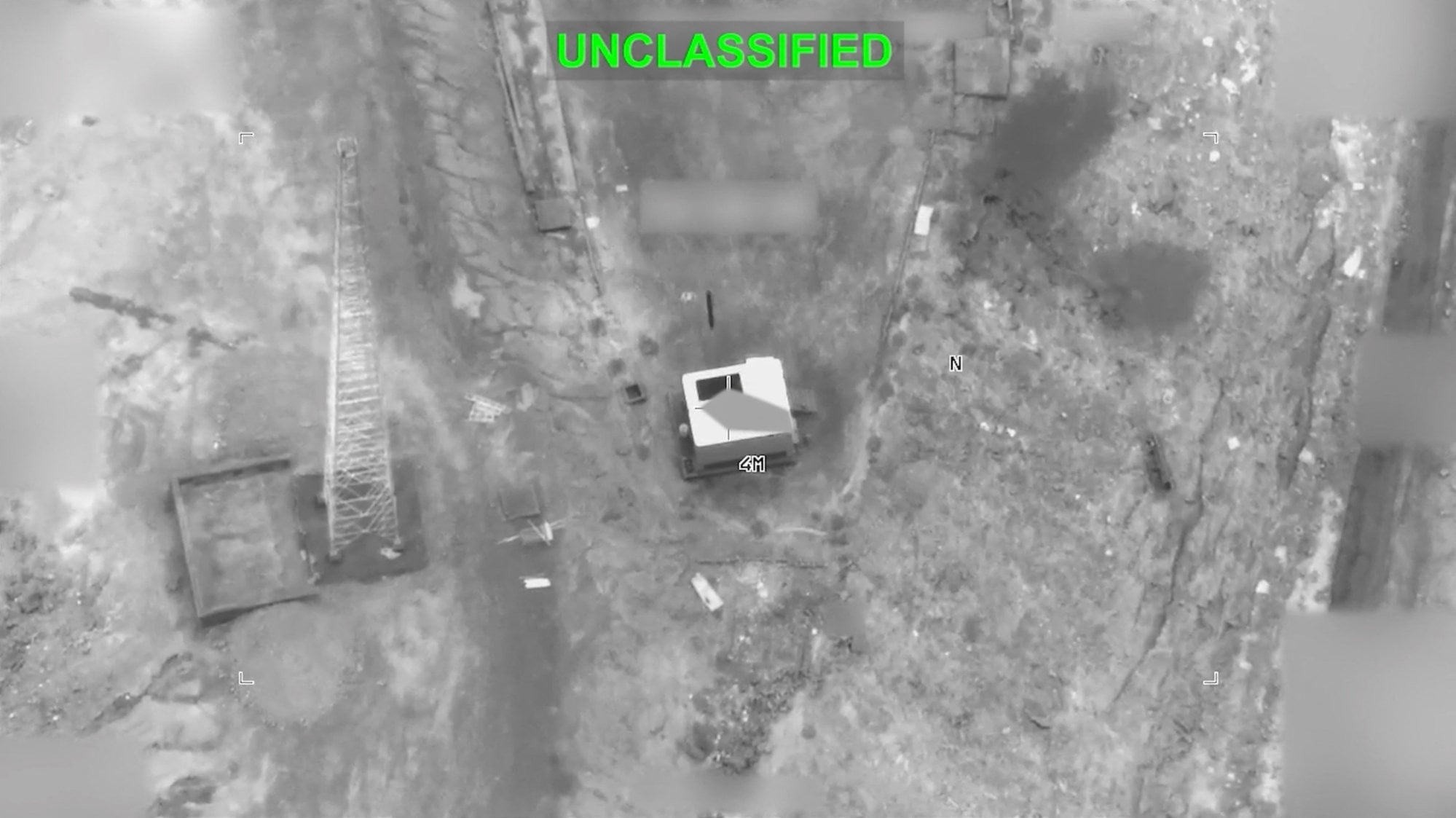
CENTCOM said it attacked Iranian air defence sites, radar systems, maritime assets and facilities, minelaying capabilities and communications sites.
Oil prices rose as tensions escalated. Brent crude oil climbed above US$96 a barrel, its highest level in about two and a half months, coming ahead of the November US midterm election, where affordability has been a central theme.
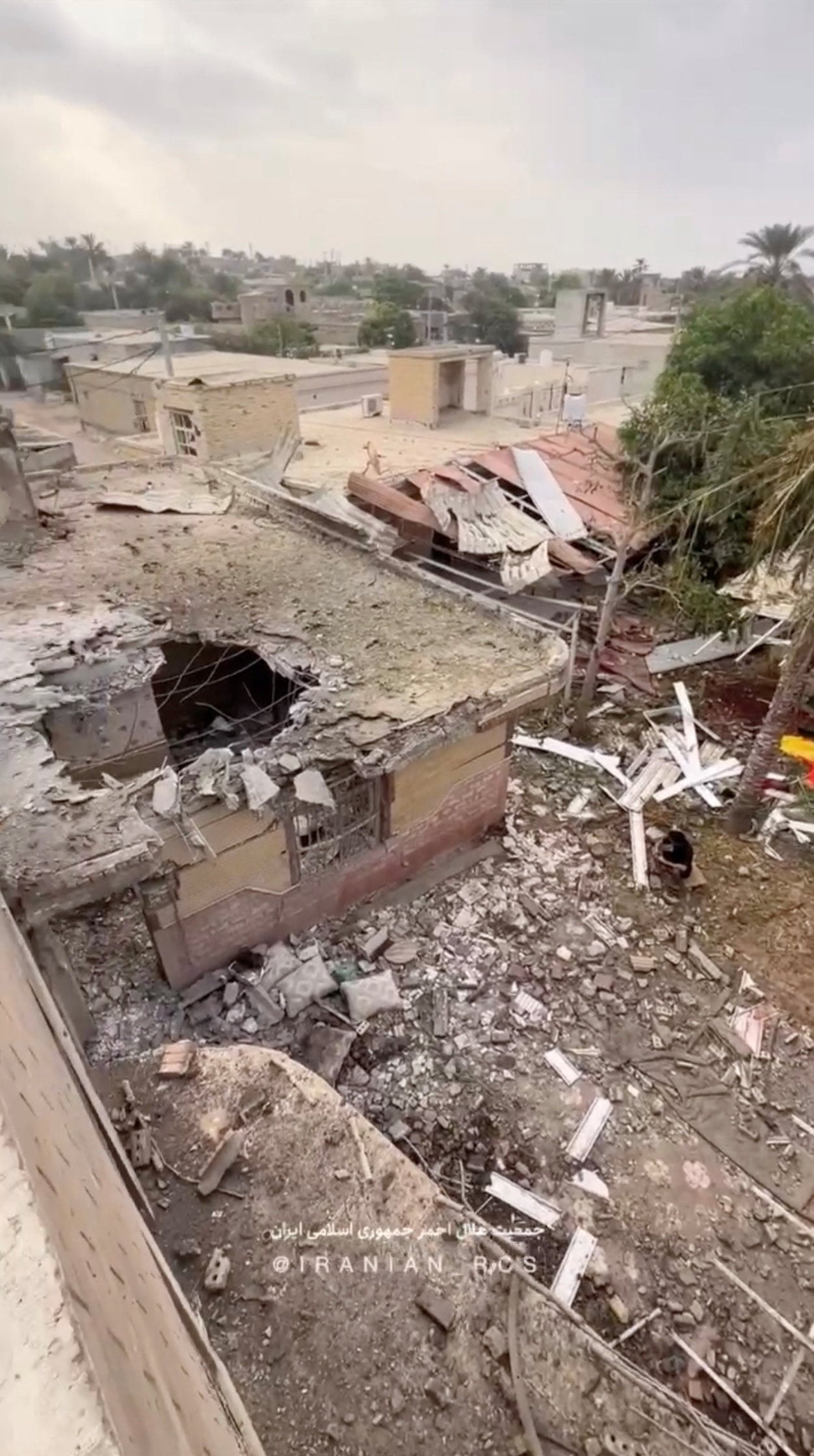
Iranian media reported explosions on Qeshm Island, Bandar Abbas, Konarak and Chabahar. Near Sirik, a strike on a wedding killed five people and wounded 50, according to the Iranian Red Crescent.
Tehran launched retaliatory strikes against US interests across Bahrain, Kuwait, Jordan and Iraq. Jordan’s military reported intercepting 10 ballistic missiles while three landed in remote areas, as Kuwait and Bahrain also responded to incoming fire.
In recent weeks, as US military pounding showed few signs of forcing Iran into submission, the Trump administration turned to economic pressure, which saw oil shipments through the strait return to around half their pre-war levels as attacks abated.
In late August, Washington doubled down with an aggressive campaign of sanctions and financial isolation, a so-called “Economic D-Day” under the US Treasury Department’s Operation Economic Outcast.
But Tehran has displayed surprising resilience after enduring decades of US and global sanctions, and the US announcements gave few specifics on what was new.
Evidently concluding that financial pressure was not having the desired effect – in part, analysts say, because Washington has appeared unwilling to impose secondary sanctions on China, which bought some 80 per cent of Iran’s oil in 2025 – the US attacked Iran’s Larak Island on Sunday, marking the first known strikes in several weeks. This prompted Iran to respond with missiles at two US airbases in Jordan.
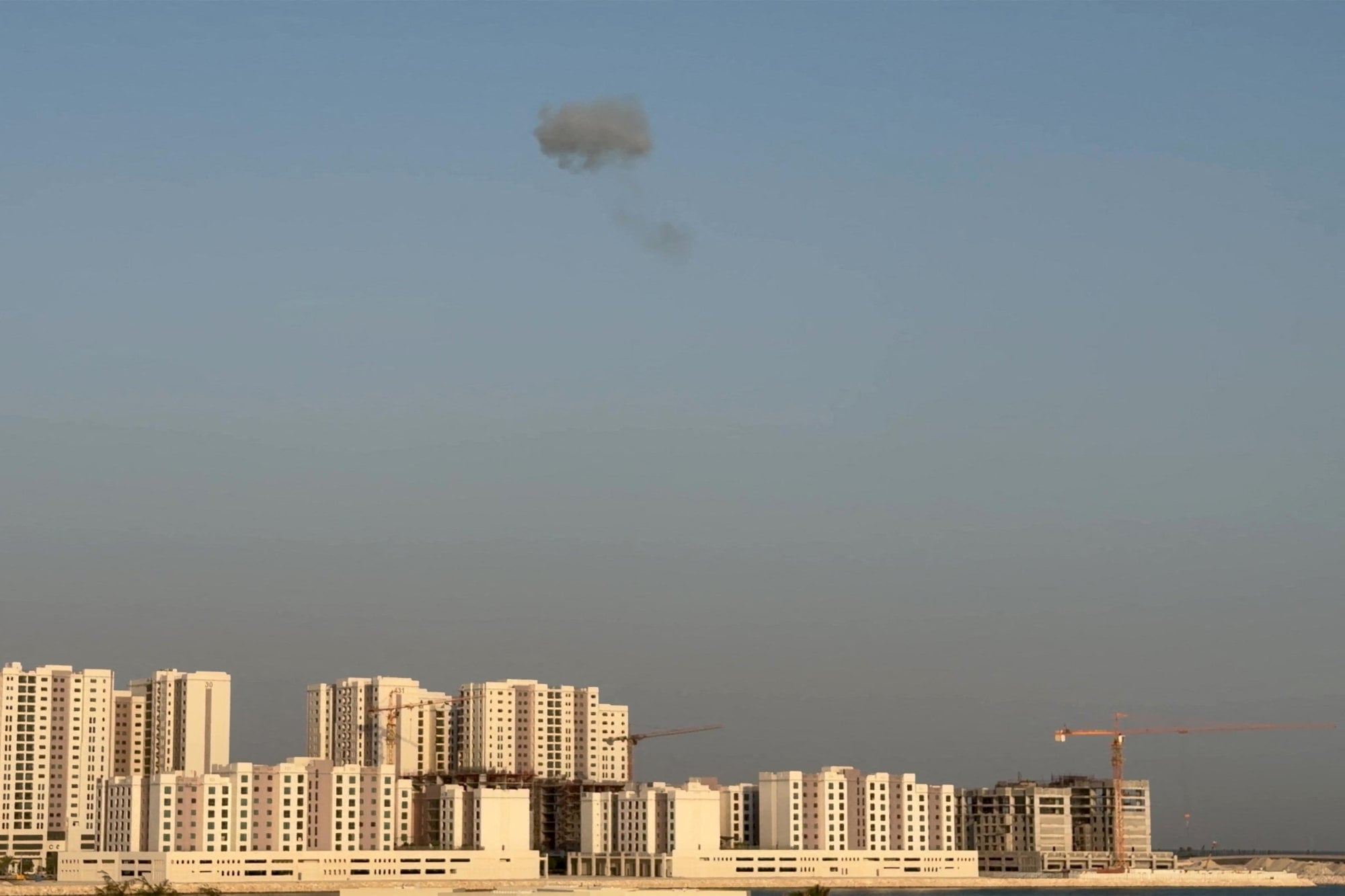
Tuesday’s US strikes came a day after two oil supertankers were hit in quick succession as they tried to exit the strait, according to maritime security consultant Marisks.
Analysts said US pressure on China to end its financial support for Iran, a nation it has maintained diplomatic relations with for 55 years, has clear limits. Beijing’s grip on the global supply of strategic rare earth minerals means that Washington is reluctant to push too hard. And Trump wants a successful summit in Washington with Chinese President Xi Jinping later this month.
Trump has become increasingly frustrated with his inability to prevail over Tehran in a war he started after criticising his predecessors for becoming entrenched in “forever wars”.
But that has not stopped him from declaring victory.
“We’ve already won in many ways, but we haven’t won enough,” he said at one point in recent months. “We won everything. We have all the cards,” he said at another.
With enough US pressure, Beijing might be willing to make some modest concessions, said Bonnie Glaser, managing director of the German Marshall Fund of the United States, citing Chinese contacts.
“The Chinese aren’t going to abandon Iran, but could there be a reduced amount of oil imported for a while? That could be a possibility,” she said. “But it’s not something China is going to want to announce.”
Iranian President Masoud Pezeshkian said early on Tuesday that Tehran would reciprocate immediately if Washington honoured its commitments under a 60-day June Memorandum of Understanding (MOU) aimed at halting the conflict.
“I am stating clearly that if the US returns to its commitments under the MOU, the Islamic Republic of Iran will immediately reciprocate,” Pezeshkian said in the Kyrgyz capital Bishkek at a summit of the Shanghai Cooperation Organisation (SCO), which includes Russia and China.
But Iranian officials have shown little outward sign of bowing to pressure.
“If the enemy wants us not to export oil from the Persian Gulf, no one will be able to export oil,” Iranian parliament speaker Mohammad Bagher Ghalibaf was quoted as saying by Iranian media.
Washington is “addicted to making excessive demands”, Foreign Ministry spokesman Esmaeil Baghaei told a press conference in Tehran, “and has mistaken negotiations for dictating terms”.
Analysts added that Iran used the just-concluded SCO summit, where Pezeshkian spoke, to reach out internationally.
“The summit was important for Iran, especially given close ties with Beijing, as it followed the US ‘Economic D-Day’ threats,” said Farwa Aamer, South Asia initiatives director with the Asia Society Policy Institute.
“Iran is looking to mobilise support from fellow members and would likely make the same ask when the Brics summit convenes in a few weeks,” she added, referring to a key grouping of emerging market economies. “The anti-West signalling, while avoided by some, will find its way into these summits.” -- SOUTH CHINA MORNING POST