




The US Congress on Tuesday advanced a new bill that seeks to establish American global leadership in open-source artificial intelligence, an area where China currently dominates, by promoting adoption of US open-source models and publicising risks associated with using their Chinese counterparts.
The legislation was one of several proposals marked up in the US House of Representatives targeting China amid escalating tech competition between the two countries.
Congressional committees “mark up” a proposed bill by reviewing it line by line, debating its merits and voting on changes or amendments before deciding whether to send it for a full House or Senate vote.
Introduced last week, the Open-Source AI Leadership Act, H.R. 10152, would direct the US Department of Commerce to identify barriers to adopting US open-weight models and compile data on their adoption relative to Chinese ones.
Open-weight, or open-source, models are AI models that are released freely over the internet, allowing users with the necessary hardware to download and customise them for their own use.
While leading US AI models including OpenAI’s GPT and Anthropic’s Claude are mostly closed-source, meaning that they can only be accessed through official channels, most leading Chinese models are released as open-weight models.
“This legislation targets a serious problem,” said Gabe Evans, a Republican from Colorado who sponsored the bill.
“Unfortunately, the companies that are leading in the open-source and open-weight models are Alibaba, DeepSeek and Moonshot, and these are deeply intertwined with the Chinese Communist Party.”
Alibaba owns the South China Morning Post.
During the bill’s mark-up session on Tuesday, Evans told the subcommittee on Commerce, Manufacturing, and Trade that US companies are increasingly falling behind their Chinese counterparts in the global market for open-weight models.
According to data compiled by AI newsletter Interconnects, Chinese open-weight models saw more than 328 million downloads globally last month, more than double those of their US counterparts, following a raft of new powerful releases including Moonshot AI’s Kimi K3 and DeepSeek’s updated V4 Pro.
US companies admit experimenting with Chinese open-weight models
An increasing number of US companies have disclosed that they are experimenting with Chinese open-weight models, which are generally cheaper to use than leading US models, including Airbnb, Perplexity and Facebook owner Meta Platforms.
A key component of the new bill would establish a single point of contact at the Commerce Department responsible for promoting the use of US open-weight models among US companies, government agencies, states and qualified foreign partners.
The department should also publicise, no later than 18 months after the bill is enacted, various risks associated with using Chinese models, including censorship, supply chain vulnerabilities and misuse risks.
While the idea of boosting US competitiveness in open-source AI enjoyed bipartisan support in Tuesday’s mark-up session, some Democrats expressed concern that the bill, in its current form, gives the administration “open-ended” authority to block or promote certain transactions.
Lori Trahan, a Democrat from Massachusetts, said that her concerns about the current wording were fixable.
The “single biggest threat to a dynamic American open source ecosystem” today is the uncertainty surrounding the Trump administration’s regulatory approach towards the AI industry, she added, which she accused of being “ad hoc, opaque and blunt”.
The bill advanced to the full committee by a voice vote, where it will be marked up again before heading to the House floor for a final vote if approved.
However, it is unclear whether the bill will be approved as a stand-alone bill, particularly with the House going into recess next month ahead of the midterms.
The congressional effort follows the release of a high-profile public letter in July, signed by almost every US tech giant, including Nvidia, Microsoft, and Meta, calling for US leadership in open-weight AI models.
Nvidia Chief Executive Jensen Huang said in a social media post at the time that the world “needs both frontier closed models and frontier open models”.
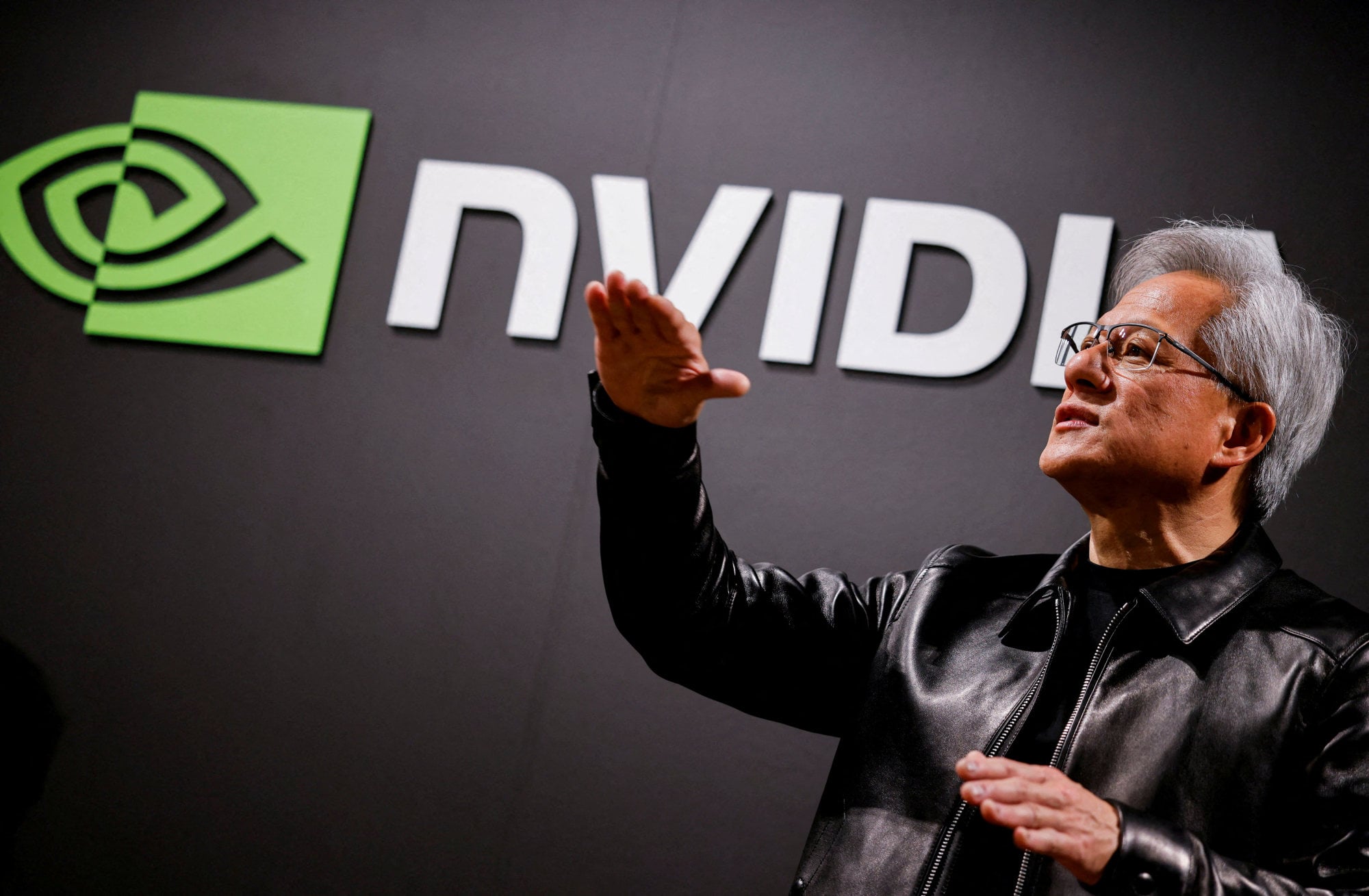
The letter was released amid ongoing speculation that the Trump administration might introduce restrictions on open-weight AI models to mitigate their national security risks and combat China’s growing influence, a move widely opposed by US industry players.
A provision in the new House bill states that it does not authorise the Commerce Secretary to “ban, restrict, or otherwise make unavailable an open artificial intelligence model in interstate or foreign commerce”.
Subcommittee Chairman Gus Bilirakis held a mark-up of 12 bills on Tuesday seeking to “strengthen American competitiveness and enhance consumer protections”, including several addressing competition with China.
Those included the Memory Chip Competitiveness Assessment Act and the American Quantum Competitive Act.
The bills “direct the Commerce Department to get serious about where our supply chains are vulnerable and how we outcompete China in the technologies that matter most”, Bilirakis said. -- South China Morning Post


