Rescuers claw through mud as fears of further flooding hamper search
Rescuers in Nepal and China are still battling to locate thousands of people missing days after a deadly, tsunami-like wall of water and debris swept through the Himalayan region, engulfing entire villages.
The latest figures from both countries put the number of missing close to 3,000, with 675 bodies recovered – and reports of some dead possibly swept downstream as far away as India.
Rescue worker Kawan Koirala, from the Nepal Scout Disaster Response Team, said they were struggling in thick, leg-sucking mud.
“People want their family’s body back, either dead or alive, but we cannot find them... you can see the mud,” he said, exhausted after an 18-hour shift.
“It is very traumatic for me too. It is my first time seeing these types of things. Everywhere is mud. We faced flood in Nepal before, but not like this.”
The US Geological Survey said the disaster on Wednesday on the Tibet-Nepal border was caused by a glacial collapse that created a torrent of debris downstream.
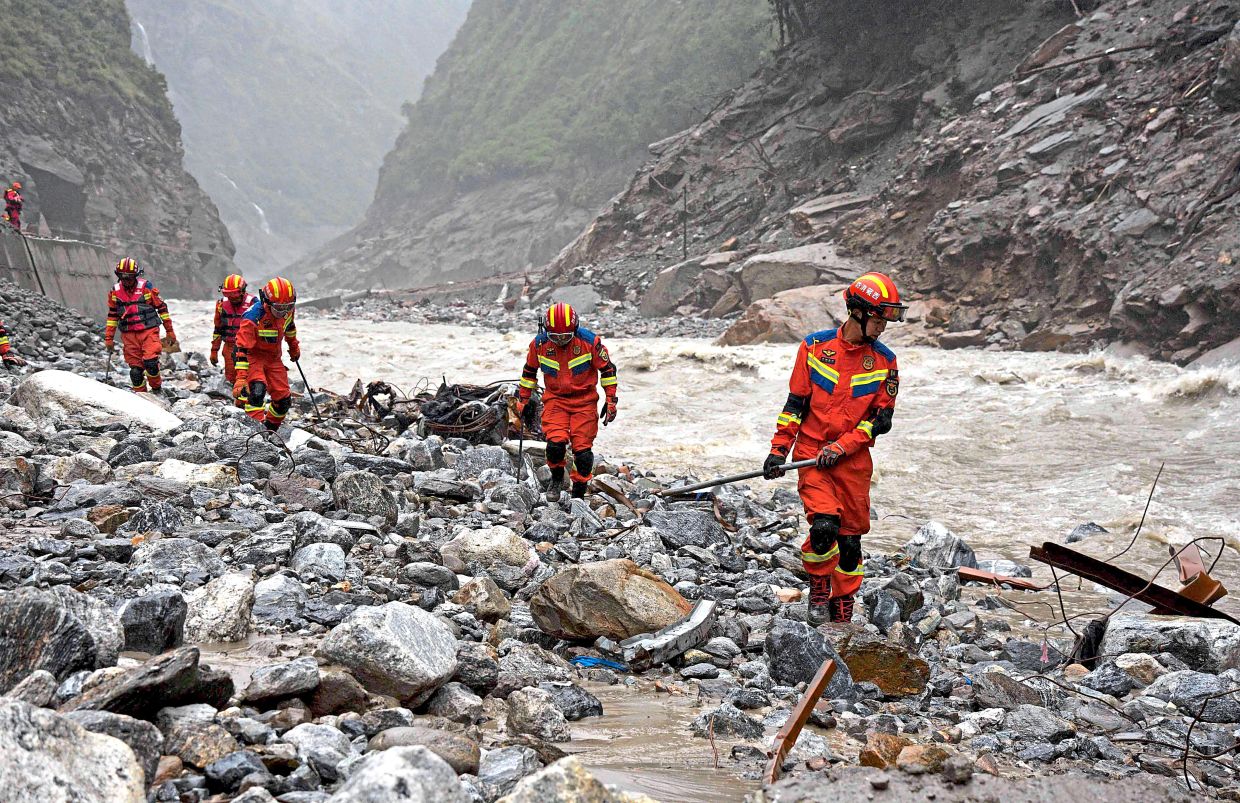
Survivors face an agonising wait to learn the fate of missing relatives, and the prospect of rebuilding their lives from nothing.
“All the settlements near the river were swept away,” Buddhi Ram Dangol said in Nepal’s Nuwakot district. “There is nothing left.”
At Bidur’s army base, a key rescue hub in the same district, relatives crowded around lists of rescued people pasted on a wall.
“I have come here looking for my son,” said Kalka Sharda, scanning the list in desperation. “He was a labourer at the hydropower plant, but I can’t find his name, and the authorities are not saying anything.”
In an area home to vast energy infrastructure projects, Nepal’s disaster authority listed 933 hydropower workers among the missing, along with 517 foreigners, including trekkers and pilgrims to Tibet’s sacred Mount Kailash.
The trauma of Wednesday’s catastrophe has been “enormous”, and as many as 93,000 people may have been affected, the Red Cross said, with the death toll expected to rise.
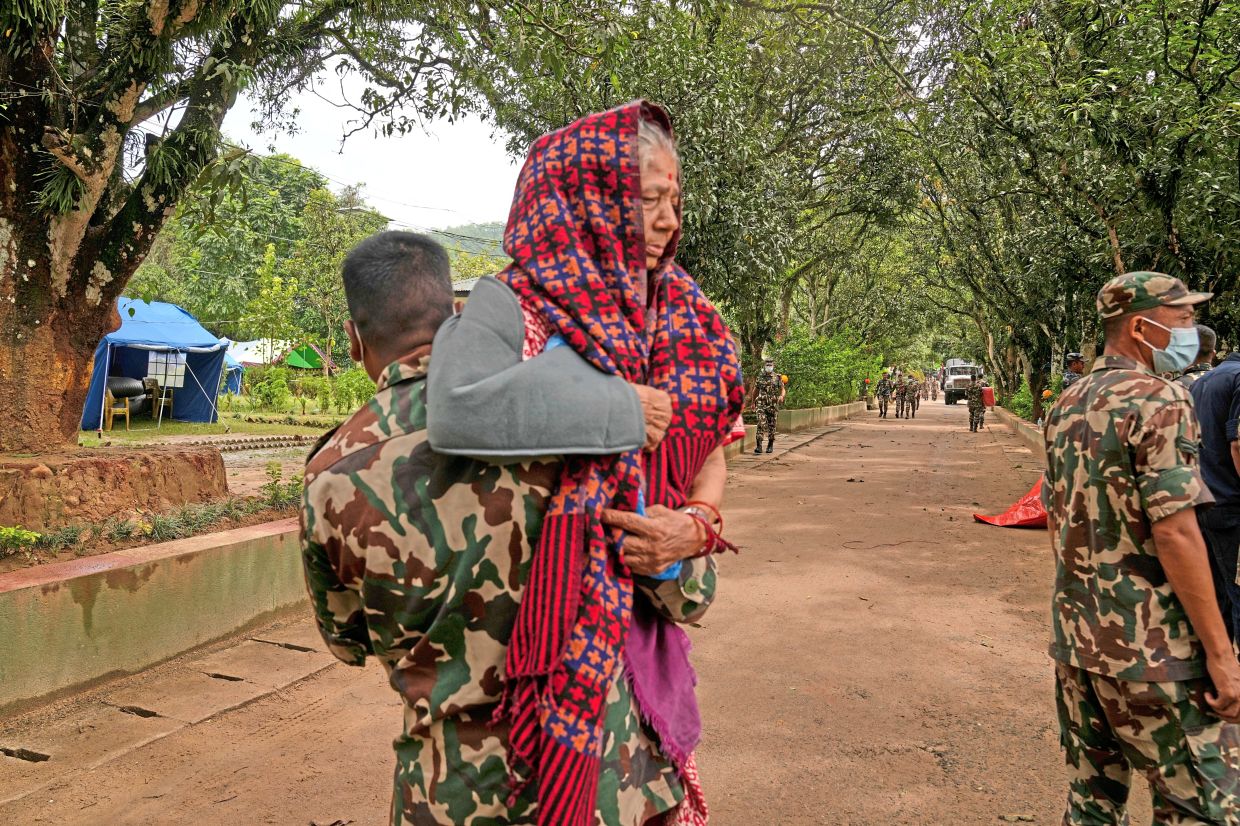
Emergency teams worked flatout to find survivors as widespread devastation left communities short of food and water.
Fears of further flooding have compounded the search for the missing. The deluge of ice and mud caused huge lakes, and one of these formations has become a risk of further floods.
While the exact cause of the collapse is unclear, climate change is causing glaciers to melt worldwide, increasing the risks of such disasters.
In Tibet, where Chinese authorities are the only source of information, Beijing had paused its rescue operation at the hardest-hit area of Gyirong over the risk of renewed flooding.
On the Nepali side, soldiers were trying desperately to drill through to 100 people trapped in the tunnel of the Trishuli 3A hydropower project yesterday.
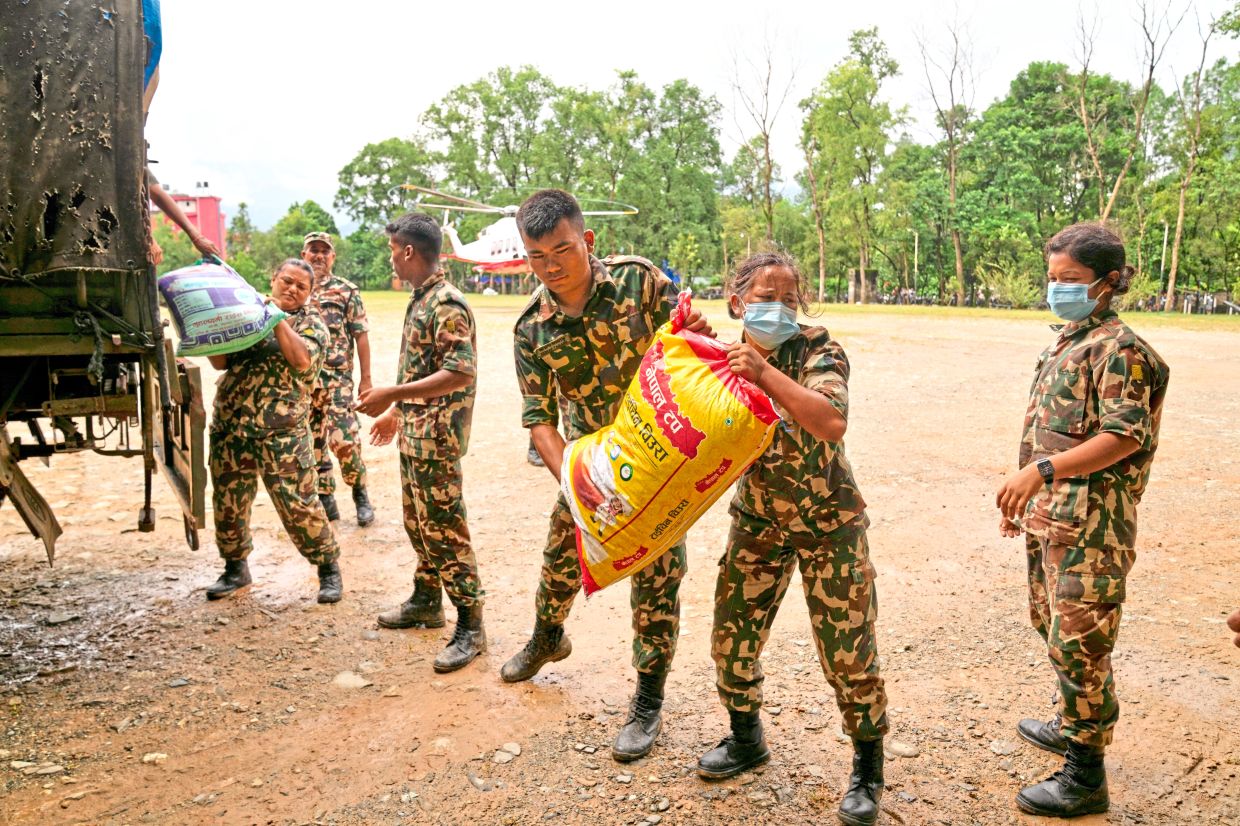
The prime minister’s office said teams had begun “clearing mud and debris” to open the entrance, while a specialised Indian tunnel rescue unit had arrived to help.
Workers rescued from other dam projects along the Trishuli valley described a disaster that unfolded with terrifying speed.
Nepal reported a death toll of 626 people yesterday.
There are 2,426 people, including hundreds of foreigners, who are out of contact in the country.
Across the border in Tibet, which is largely inaccessible to foreign journalists, seven people died and 554 remain missing, the state Xinhua news agency said yesterday.
Authorities also said they had evacuated 555 stranded tourists and 499 Chinese residents from Tibet.
In India, authorities said they had recovered seven bodies from rivers flowing from Nepal, believed to be flood victims.
Scores of Hindu devotees from across the world are among those missing on the border, as many were on a pilgrimage to Tibet’s Mount Kailash. — AFP