




Canada announced retaliatory tariffs of up to 50 per cent on US$19.94 billion (C$27.6 billion) of American goods on Tuesday, escalating its trade confrontation with Washington days after negotiations collapsed and the Trump administration imposed sweeping new duties on Canadian products.
The tariffs, which take effect on September 8, will apply to more than 700 categories of US goods at rates of 15, 25 or 50 per cent, according to the Canadian government.
The targeted products range from steel, aluminium and agricultural equipment to household appliances, clothing, cheese, seafood, cosmetics and electronics.
Existing Canadian tariffs on some US steel and aluminium products will double from 25 to 50 per cent, matching the rates imposed by Washington. Counter-tariffs on American-made vehicles will remain at 25 per cent.
Canadian Finance Minister Francois-Philippe Champagne said the measures would match the US tariffs “dollar for dollar, rate for rate” and were intended to defend Canadian workers and businesses rather than generate government revenue.
“We did not choose this conflict, but when our economic integration is used as a weapon rather than the foundation for a win-win partnership, we need to stand up,” Champagne said.
The government also unveiled $US5.42 billion in loans, income assistance and other support for businesses and workers affected by the dispute.
Ottawa said it had provided more than US$21.7 billion in tariff-related support since the beginning of 2025, far exceeding the amount collected through retaliatory duties.
Canadian officials acknowledged that the countermeasures would raise prices for some companies and consumers but said the broader economic effect was expected to remain moderate.
They said the tariffs were designed to help Canadian producers preserve domestic market share as they faced reduced access to the US market.
Industry Minister Melanie Joly called on consumers to buy Canadian goods as the country launched what she described as a “movement of resistance” to Washington’s actions.
The retaliation follows the Trump administration’s imposition on Saturday of 50 per cent tariffs on more than 550 categories of Canadian products worth about US$20 billion.
Washington invoked Section 338 of the Tariff Act of 1930, a rarely used provision allowing the US president to impose duties of up to 50 per cent on countries deemed to discriminate against American commerce.
The White House has accused Canada of unfairly restricting US automobiles, alcoholic drinks and dairy products. Ottawa rejects those allegations and says Washington’s measures violate the US-Mexico-Canada Agreement (USMCA).
Analysts at the Washington-based Centre for Strategic and International Studies said the use of Section 338 appeared intended not only to pressure Ottawa, but also to warn other US trading partners about the consequences of retaliating against Washington.
Canada was the only country apart from China to have formally retaliated against Trump’s tariffs when the US measures were announced, the analysts wrote in July. China, however, had secured a trade detente with Washington partly because of its leverage over supplies of rare earths, they said.
The CSIS analysts also questioned whether the tariffs would withstand a legal challenge. No court has interpreted Section 338, and the White House proclamations did not indicate whether the US International Trade Commission had conducted the monitoring and reporting contemplated by the law, they said.
The duties also apply to products that comply with the USMCA, breaking with Washington’s previous practice of largely shielding qualifying goods from country-specific tariffs.
CSIS said that could deepen uncertainty about Washington’s willingness to honour the agreement and threaten interconnected North American supply chains.
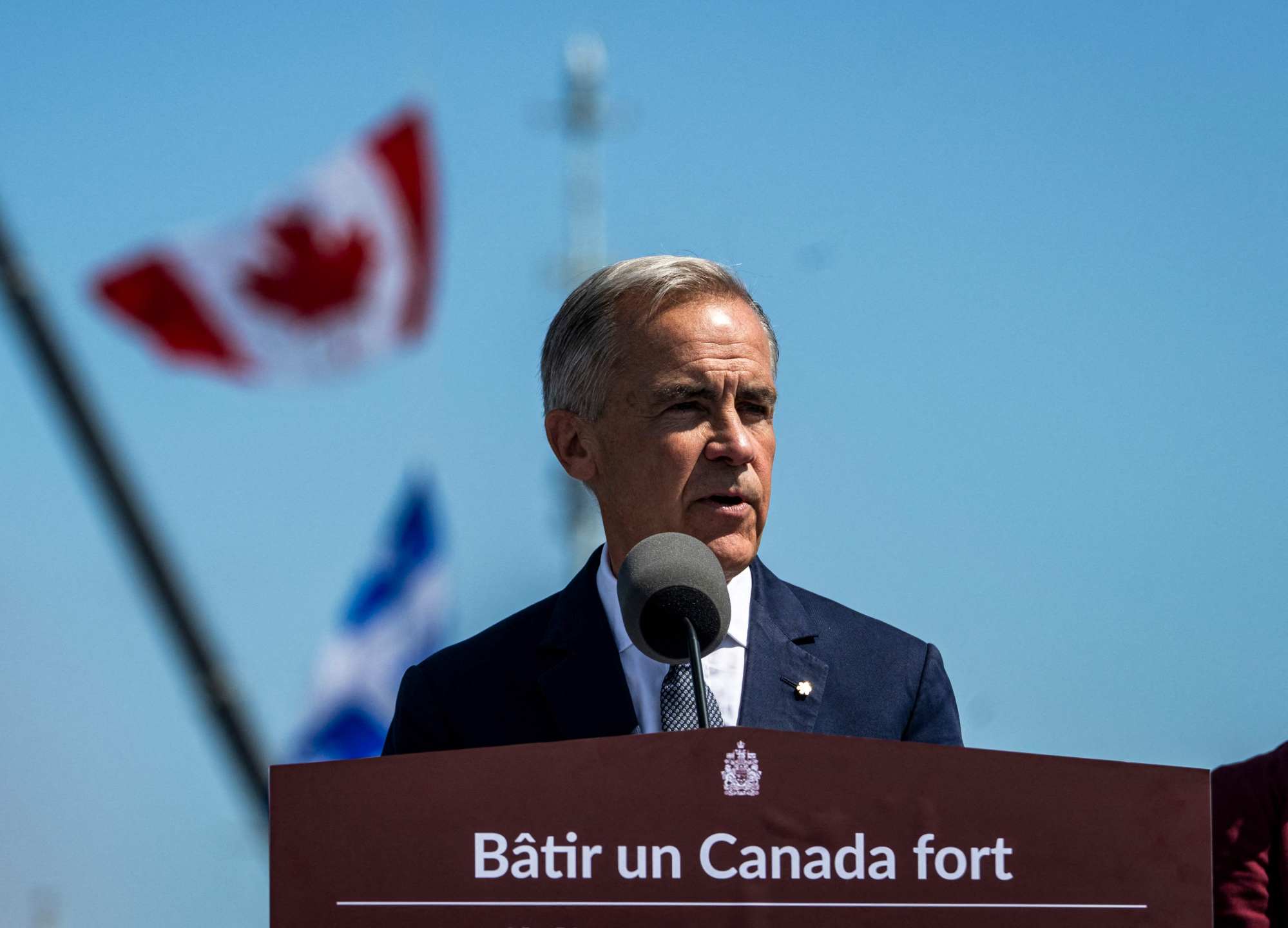
Prime Minister Mark Carney announced over the weekend that Canada would respond dollar for dollar after instructing its negotiators to leave Washington without an agreement.
“They asked too much and offered too little,” Carney said on Saturday, accusing the US of approaching Canada as a competitor rather than an economic partner.
He acknowledged that retaliation would “raise costs and reduce choice for Canadians” but said accepting Washington’s terms would have threatened Canadian sovereignty and undermined major domestic industries.
The latest duties affect about 7 per cent of Canada’s annual merchandise imports from the US. The list includes industrial goods as well as motorcycles, washing machines, refrigerators, chainsaws, smartphones, processed cheese, fish, shellfish and paper products.
The dispute could intensify further after US President Donald Trump threatened on Monday to raise tariffs on Canadian cars, trucks, automotive parts and steel to 50 per cent from January 1, 2027.

US tariffs of 25 per cent already apply to Canadian vehicles that do not qualify for preferential treatment under the North American trade agreement. Canada’s automotive industry is particularly vulnerable because its factories are deeply integrated with US supply chains and export most of their output south of the border.
Joly said she had spoken with the Canadian heads of Ford, Honda and Toyota following Trump’s latest threat.
“Of course we’ll fight back,” she said. “We’ll fight for every one of these jobs.”
Carney said Washington’s automotive proposals would gradually dismantle Canadian production and accused the US of seeking to destroy Canada’s automotive, steel and aluminium industries.
Canada is the largest foreign buyer of US-built automobiles, and parts frequently cross the border several times during vehicle production. Further tariffs could therefore raise costs for manufacturers and consumers in both countries.
The two governments blamed each other for the breakdown of three days of intensive negotiations last week.
Canadian officials said Washington introduced last-minute demands that would have disadvantaged Canadian industries and weakened protections for French-language and Canadian cultural content.
Carney said talks could resume if the US returned with a different approach to Canadian industry, but Ottawa would not accept being treated as a subsidiary of its larger neighbour.
Trump, meanwhile, called Canada “the most difficult and unreasonable” country with which he deals and said on Tuesday that the US was considering renaming Lake Ontario “Lake America”.
Canada’s minister responsible for US trade, Dominic LeBlanc, said Ottawa would not respond to the US administration’s daily social media posts. -- SOUTH CHINA MORNING POST


