




The time-honoured Chinese creamy candy brand White Rabbit recently went viral for its iconic wrapper design, but the brand, having pursued an active rebranding strategy and collaborations, offers much more than its traditional legacy.
A netizen on X, under the handle @weeabob, shared a post featuring the candy’s classic blue, red, and white wrapper, praising it as an “absolute masterstroke of graphic design.”
This post garnered 260,000 likes and 600 comments, with many users reminiscing about the candy, as well as the brand’s innovative new products and collaborations.
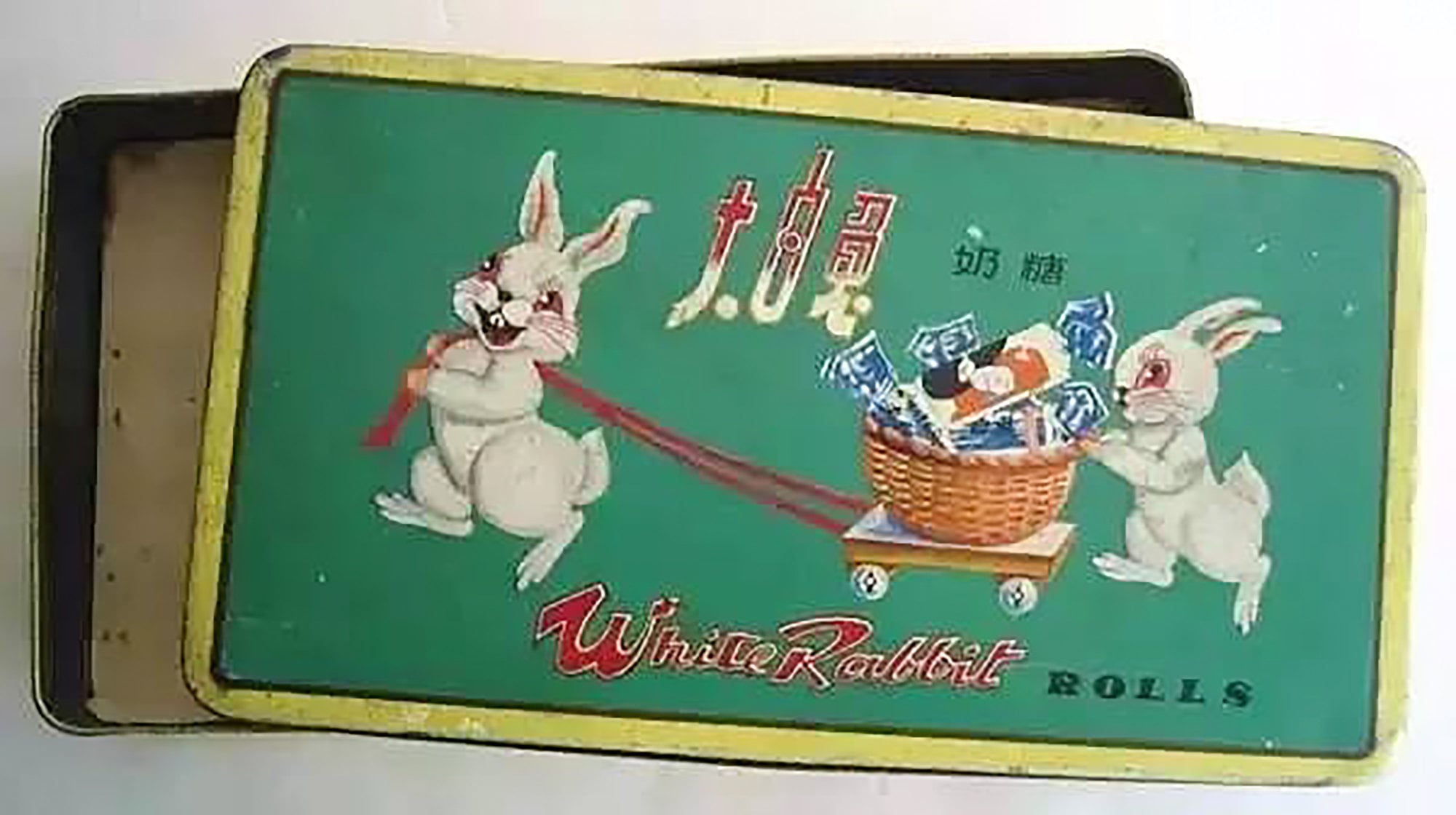
Introduced in 1959 to commemorate the 10th anniversary of the People’s Republic of China, White Rabbit is widely recognised as China’s national creamy candy.
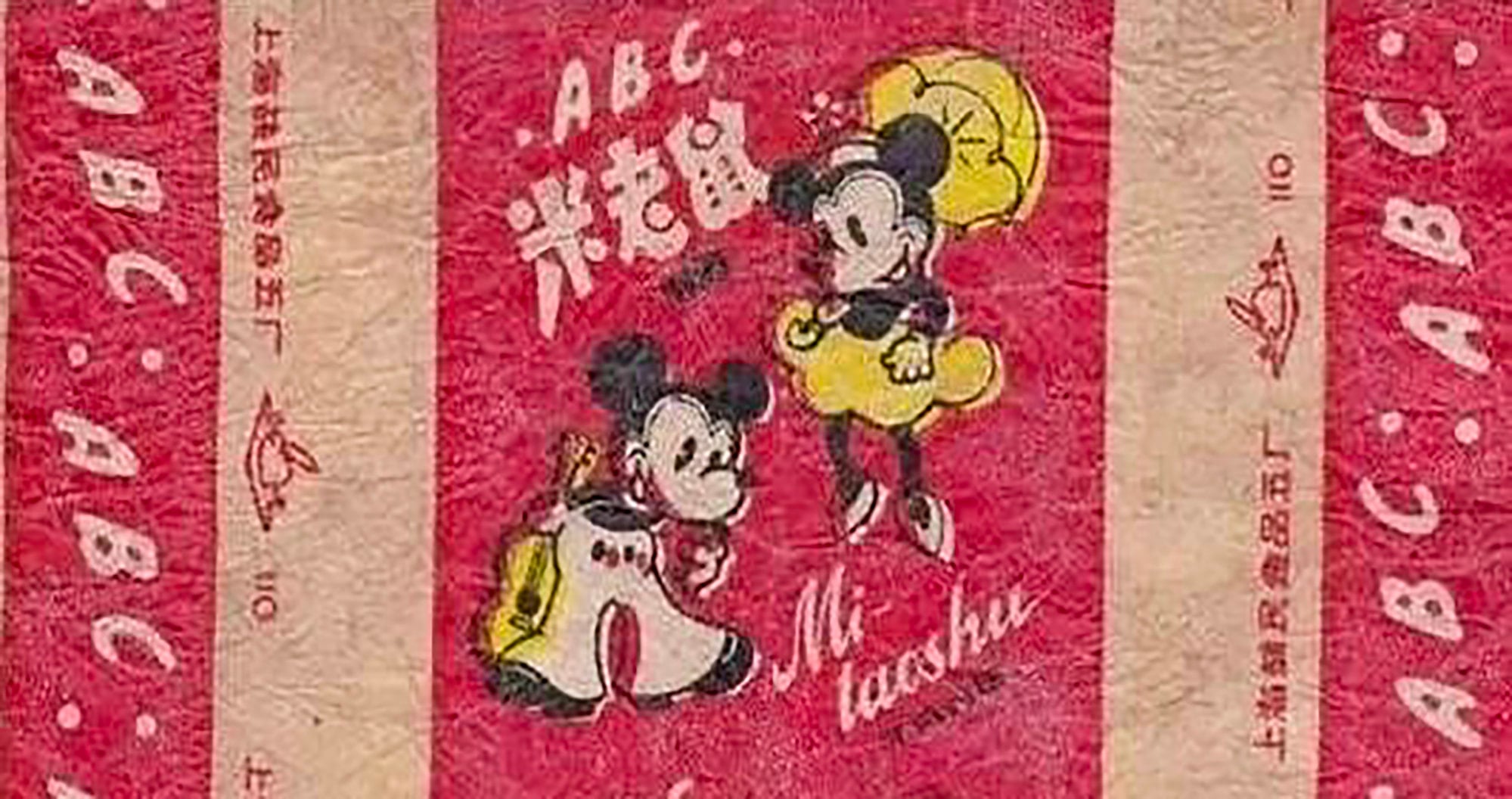
Its lesser-known precursor, the “ABC Mickey Mouse Candy,” was developed in 1943 by the Shanghai ABC Candy Factory, inspired by British creamy sweets. As its name suggests, this candy’s wrapper featured Mickey Mouse.
In 1954, the ABC Candy Factory rebranded to the Aimin (Love People) Candy and Biscuit Factory, abandoning the Mickey Mouse design due to concerns over copyright and the designation of rats as one of the “four pests.” The candy was subsequently rebranded as White Rabbit creamy candy.
During times of extreme resource scarcity, White Rabbit candy was regarded as a premium source of nourishment, famously said to be “equivalent to a glass of milk” for every seven pieces consumed.
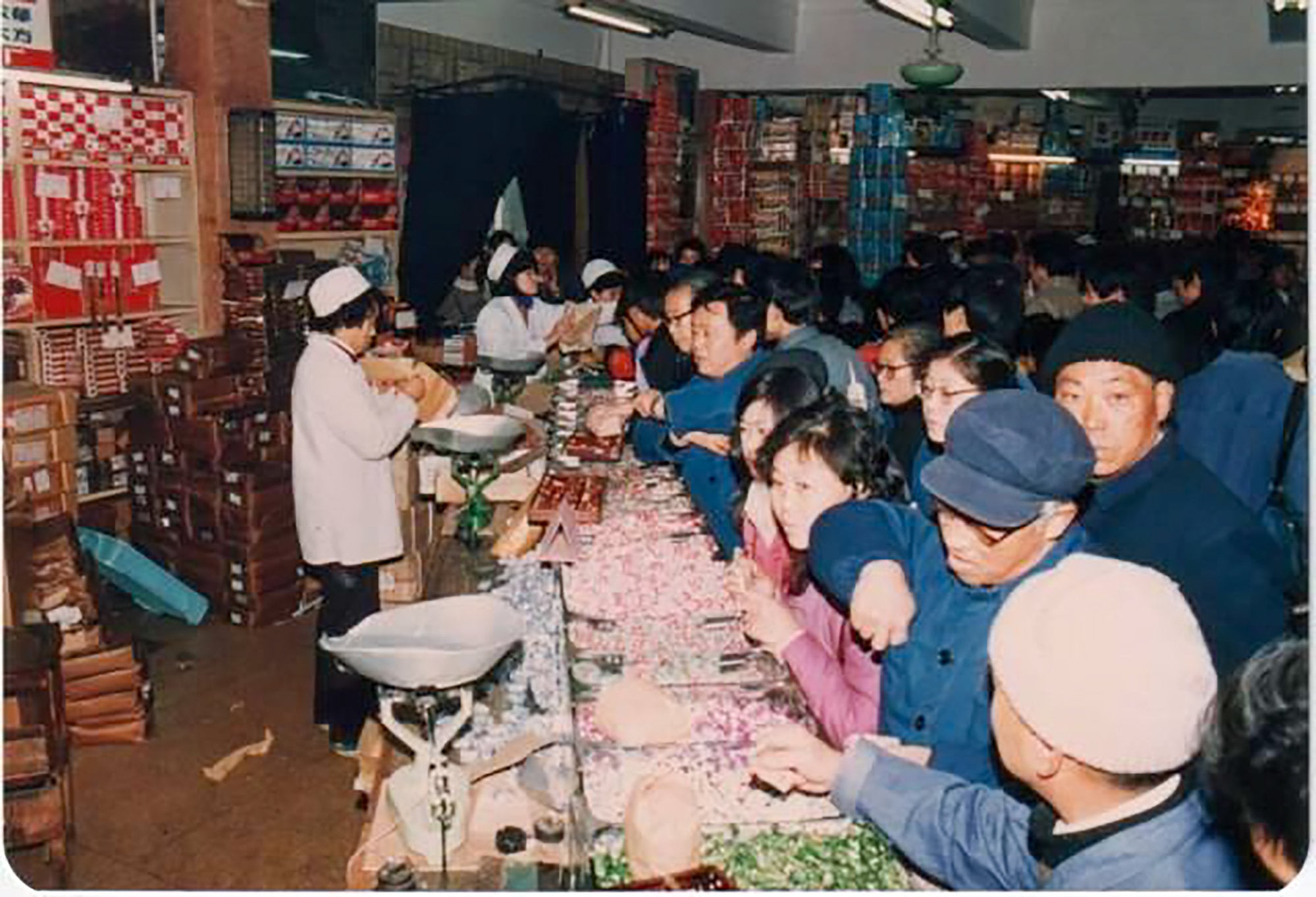
During the Cultural Revolution (1966–1976), when the candy became difficult to obtain, people lined up outside stores to buy it during festive occasions.
White Rabbit has sweetened the collective memory of older generations, a sentiment reflected in modern literature. For instance, in Chinese novelist Yu Hua’s Brothers, the candy symbolises the protagonist brothers’ cherished childhood memories. The brothers, who grew up during the Cultural Revolution, valued White Rabbit so highly that they refused to part with its wrappers while asleep.
In 1972, during US President Richard Nixon’s historic visit to China, which ended 25 years of diplomatic isolation between the two nations, China reportedly gifted each member of his delegation 5kg of White Rabbit candies.
It is said that staff who arrived early preferred the candies provided by the hotel, prompting Chairman Mao Zedong to instruct Premier Zhou Enlai to order the White Rabbit factory to produce candies overnight.
Though Chinese consumers now enjoy an abundance of choices in the food market, they continue to buy White Rabbit, driven not just by nostalgia.
Now operated by Shanghai Guan Sheng Yuan Food Co, Ltd, the brand is actively launching new products and collaborating with both domestic and international fashion brands.
White Rabbit has partnered with the American luxury brand Coach to produce bags and apparel, as well as with Chinese brands for perfumes and personal care items.
The company has introduced new flavours for its creamy candies, including red bean, corn, yoghurt, and durian, while retaining the classic design of its wrappers.
In the past year, White Rabbit also made its way onto the shelves of American retailer Costco in Canada, debuting a new tiramisu flavour specifically for the North American market.
Additionally, White Rabbit now also offers milk tea, ice cream, and has adapted its iconic white rabbit image into stuffed toys, stationery, and various other products to align with the preferences of younger consumers.
The Guan Sheng Yuan company reported a 10 per cent year-on-year increase in the annual production volume of White Rabbit creamy candies, with a total production volume of 27,000 tonnes in 2019.
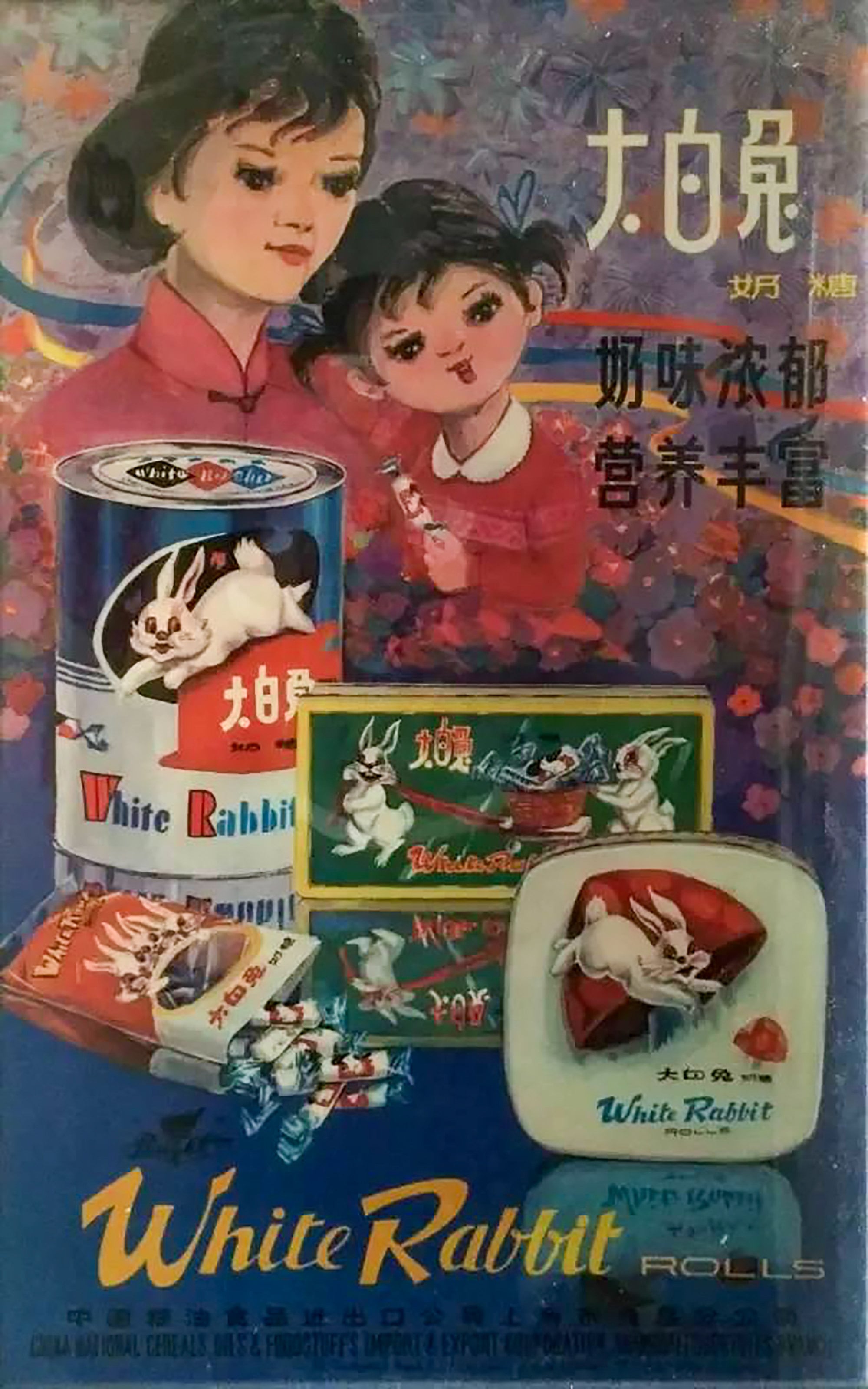
Brand expert Ma Mo from DT Caijing remarked that White Rabbit exemplifies successful rebranding for traditional brands, achieving a balance between “integrity and creativity.”
“It remains true to its rich, pure milk flavour and original red, blue, and white wrapper design, allowing customers to always recognise the White Rabbit in their memories. At the same time, it adapts to the consumption needs of new generations, continually providing them with delightful experiences through its new products,” Ma noted. -- SOUTH CHINA MORNING POST


