




Jia Qianqian, daughter of internationally acclaimed writer Jia Pingwa, has become the latest high-profile figure in Chinese academia to fall from grace after a university investigation confirmed allegations of plagiarism.
In a statement on Wednesday, Northwest University said its months-long investigation found that nine of Jia’s published papers contained plagiarised material.
The university had terminated her teaching appointment and revoked her associate professor title.
In addition, her 2009 master’s degree had been revoked after Shaanxi Normal University carried out its own review of her thesis and found plagiarism, the statement said.
Northwest University’s decision came just two days after Renmin University of China said that it had stripped writer Jiang Fangzhou of her master’s degree for plagiarism in her 2019 thesis.
On July 8, President Xi Jinping called for greater efforts to crack down on academic misconduct at a meeting in Beijing. Improving China’s ability to innovate is a cornerstone of the government’s economic strategy.
Both cases also highlight growing public scrutiny of academic integrity, as the allegations against both Jia and Jiang were either raised or sustained on social media.
When Northwest University announced it would investigate Jia in April, it said that the allegations had originated online.
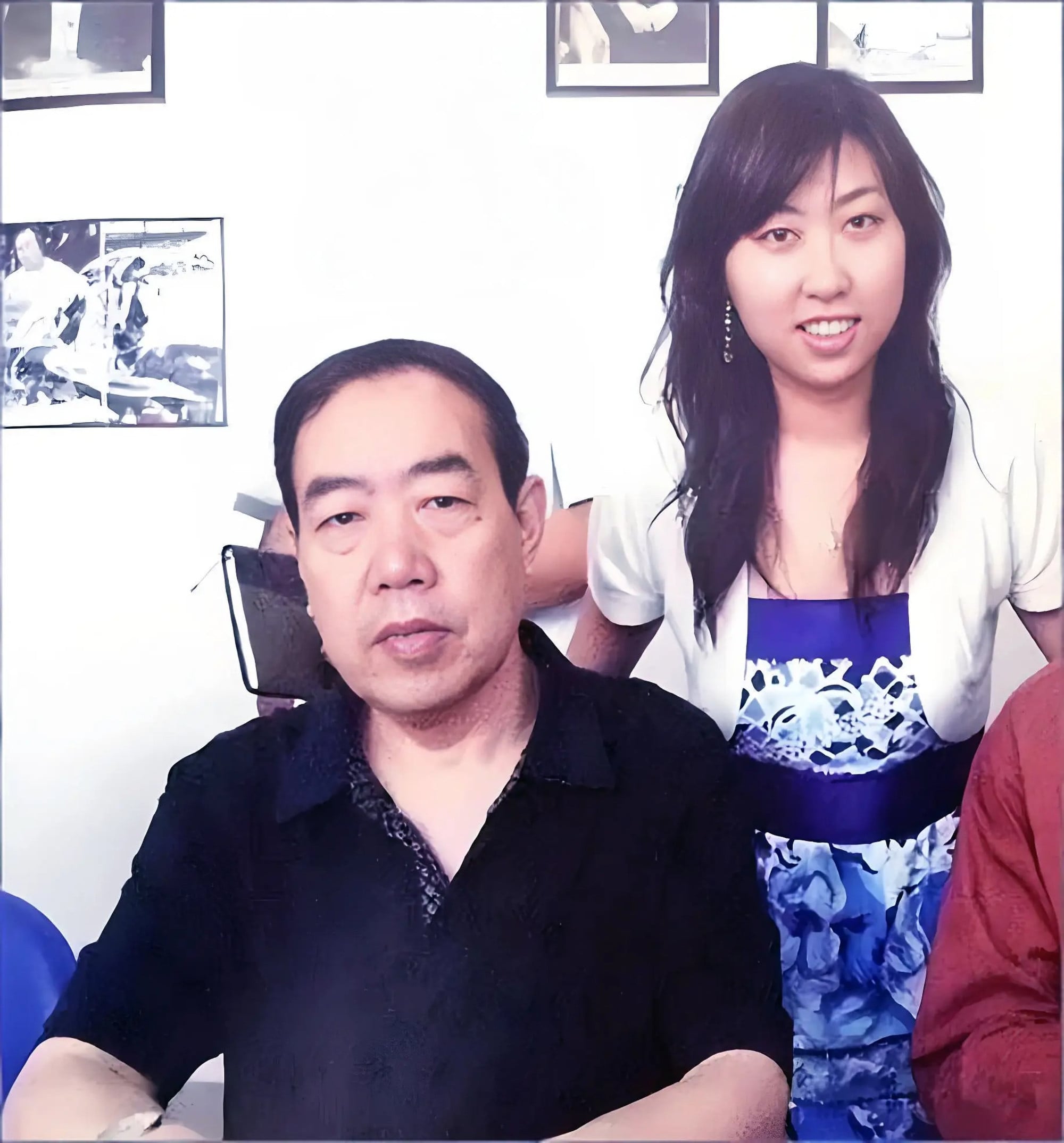
The plagiarism findings were not the first time Jia had been embroiled in controversy.
The award-winning poet has faced widespread criticism and accusations of vulgarity since 2021 for covering topics such as excrement, bodily fluids and sex. In this, Jia appears to be following in the footsteps of her father, whose 1993 novel Ruined City was once banned for its descriptions of sex.
The more enduring criticism centred on her background. Detractors argued that her career owed more to the influence of her father than to her own achievements. Some have called her a “second-generation literary figure”, a spin on a nickname often given to the children of China’s wealthy.
Jia Pingwa rose to prominence in the 1980s for his depictions of rural life and later held several senior positions in China’s literary and academic establishment.
Jiang’s case is more complex.
The plagiarism allegations against her were first formally submitted to Renmin University in April by Xiao Ying, a professor at Tsinghua University.
After a three-month investigation, however, Renmin University said on July 5 it had found no evidence of academic misconduct. It only said Jiang had shown “seriously insufficient awareness” of the importance of citations.
The case took another turn after online users presented further evidence of plagiarism, prompting Renmin University to reopen its review.
The new investigation found nine instances where Jiang’s master’s thesis overlapped with a journal article published outside the Chinese mainland, and those passages lacked citations.
Regarded as a literary prodigy, the 36-year-old Jiang published her first book at nine, wrote newspaper columns as a preteen and was granted special dispensation to attend the prestigious Tsinghua University with a lower exam score.
On Monday, Jiang said she accepted the university’s decision.
“I apologise to readers who have been disturbed and disappointed by this,” she wrote. “I also sincerely apologise for the disciplinary action my supervisor has faced as a result of this matter.”
The academic stars are just the latest to be brought down after online allegations.
Geng Hongwei, a PhD dropout turned video blogger, made headlines this spring after alleging academic misconduct involving prominent Chinese researchers and papers published in prestigious scientific journals.
Over the past few months, several major Chinese universities have launched investigations and taken disciplinary action against senior scholars following concerns Geng raised.
State news agency Xinhua said in a commentary in May that Geng’s investigations revealed glaring shortcomings in China’s academic oversight system.
On Wednesday, a social media account affiliated with the Zhejiang provincial propaganda department – which comments frequently on broader social issues – urged the authorities to establish stronger and more transparent oversight mechanisms.
“Academic misconduct is far more than a matter of personal integrity; in some research fields, it is closely tied to our country’s future development,” it said.
“Universities’ self-regulation alone is no longer sufficient to meet the current need for reform.” -- SOUTH CHINA MORNING POST


