PHNOM PENH: Prime Minister Hun Manet has called on Thailand to immediately resume joint land boundary demarcation talks, saying renewed technical negotiations are essential to enabling more than 20,000 displaced Cambodians to return safely to their homes nearly a year after armed clashes erupted along the Cambodia-Thailand border.
In an exclusive interview with Bloomberg Television aired on Friday (July 24), Manet said that while a ceasefire has largely held since fighting broke out last year, the situation along the frontier remains unstable because thousands of troops from both countries continue to face each other across the disputed border.
“Thailand should immediately resume joint boundary demarcation talks so that more than 20,000 displaced citizens can return to their homes in the border provinces,” he said.
The prime minister explained that restoring the work of the Cambodia-Thailand Joint Boundary Commission (JBC) is the most practical way to ease tensions, clarify the land boundary and create conditions for displaced communities to rebuild their lives.
His remarks come as Cambodia continues to press for the resumption of bilateral border mechanisms after months of heightened tensions following Thailand’s suspension of several border discussions.
Manet also rejected recent claims by Thai officials that Cambodia’s decision to initiate compulsory conciliation under the UN Convention on the Law of the Sea (UNCLOS) had effectively closed the door to negotiations over the land boundary.
“I heard that the Thai leadership, notably the foreign minister, stated that because Cambodia went to UNCLOS, that closed the door for the land boundary. This statement, I’d like to say, is a little bit inaccurate and a little bit unfair,” he said.
The prime minister stressed that Cambodia’s maritime conciliation case and negotiations over the land boundary are governed by separate legal frameworks and should not be linked.
He said Cambodia only turned to the UNCLOS compulsory conciliation process after Thailand unilaterally terminated the 2001 Memorandum of Understanding (MoU), which had served as the only bilateral framework governing negotiations over overlapping maritime claims in the Gulf of Thailand.
According to Manet, the maritime legal process is continuing, with both countries having already nominated two conciliators each and now working to appoint the fifth member, who will serve as chair of the conciliation commission.
“For now, at this stage, let’s focus on getting the process moving,” he said.
Hun Manet’s latest appeal comes against the backdrop of Cambodia’s repeated protests over what Phnom Penh describes as Thailand’s unilateral attempts to create fait accompli along sections of the undemarcated border.
Cambodian authorities have lodged diplomatic protests accusing Thai authorities of carrying out activities inside areas claimed by Cambodia before the boundary has been jointly demarcated.
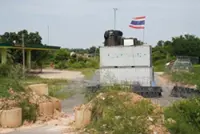
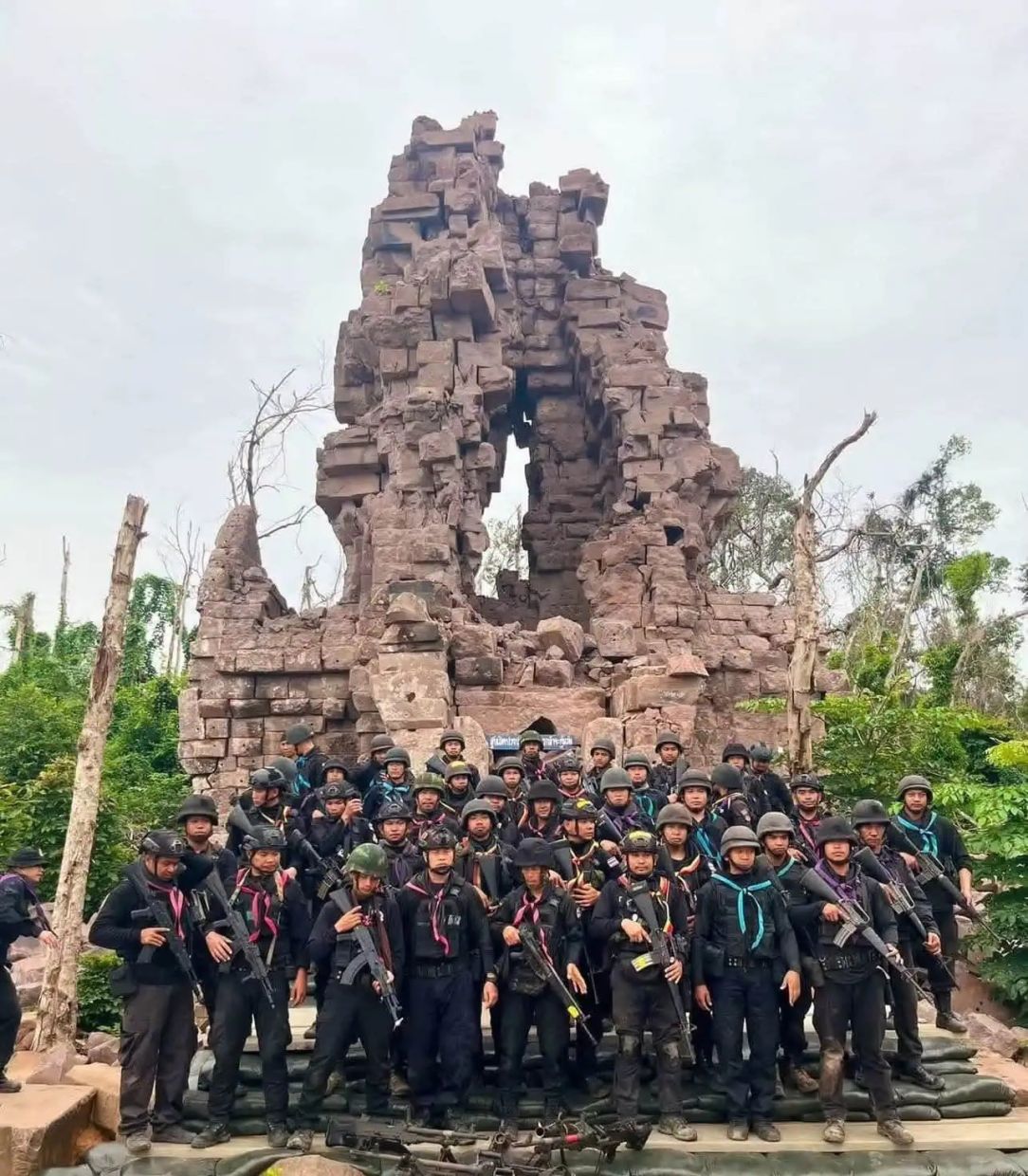
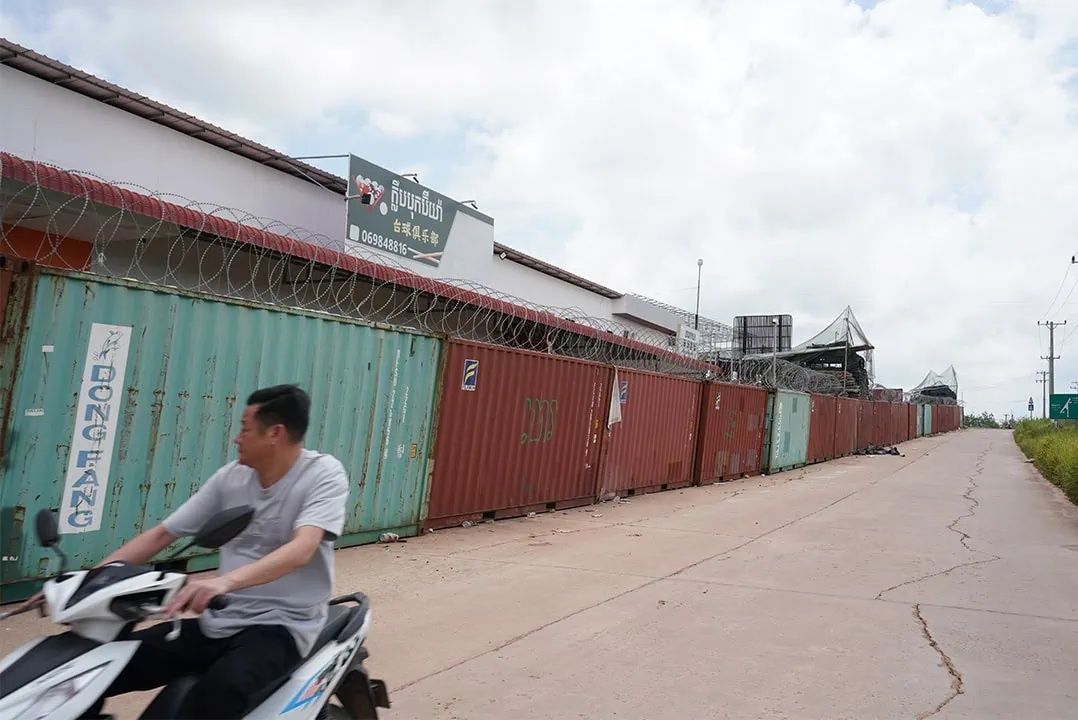
The alleged activities include the construction of roads, the installation of religious structures and Buddha statues, allocation of land to Thai citizens, erection of razor wire and shipping container barricades, as well as other infrastructure work that Cambodia argues alter conditions on the ground and complicate future boundary negotiations.
The Cambodian government has consistently maintained that all such activities should cease until both countries complete the demarcation process through the Joint Boundary Commission in accordance with existing bilateral agreements and international law.
Despite ongoing tensions, Manet reiterated Cambodia’s commitment to resolving disputes peacefully through dialogue, technical negotiations and international legal mechanisms, expressing hope that both countries could move forward on border demarcation for the benefit of the communities living along the frontier. - The Phnom Penh Post/ANN