
BANGKOK: The Civil Aviation Authority of Thailand (CAAT) is accelerating its strategic transition to establish the country as a primary regional aviation hub, prioritising major infrastructure expansions in maintenance services and air freight to outpace mounting global economic headwinds.
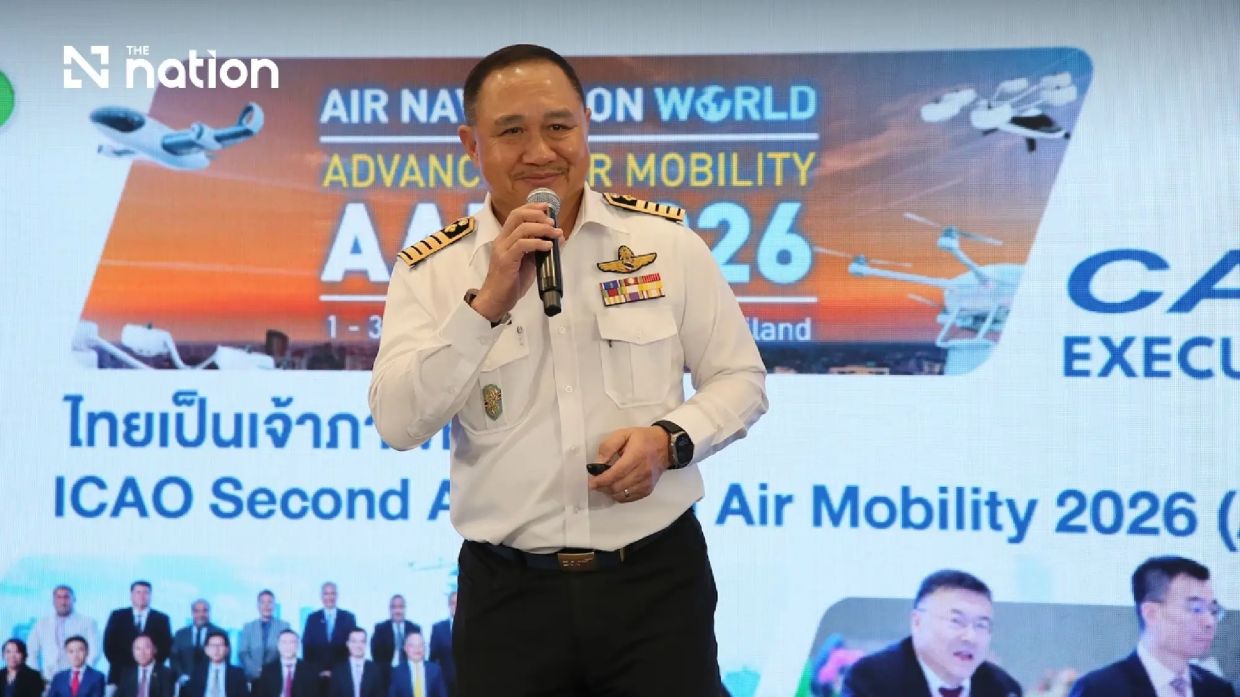
Speaking at a press conference on Tuesday (July 14), Air Chief Marshal Manat Chavanaprayoon, director general of CAAT, unveiled a dual-pronged policy framework designed to enhance Thailand's long-term aviation competitiveness.
The strategy anchors on two flagship developments: the establishment of a world-class Maintenance, Repair, and Overhaul (MRO) hub and a comprehensive structural reform of the national air cargo transport network.
The state-directed MRO development has been formalised within the master plan of Airports of Thailand (AOT), spanning designated northern and southern zones at Suvarnabhumi Airport.
The initiative aims to draw high-value foreign direct investment while allowing local and international airlines to significantly lower their structural maintenance costs by service pooling within the region.
Simultaneously, CAAT is moving to untangle severe logistics bottlenecks in its freight sector. Driven by a staggering 110% surge in cargo volumes at Suvarnabhumi Airport, the regulator prepares to fast-track customs and clearance protocols for shipments arriving from trusted, verified origins.
This logistics overhaul is specifically geared toward capturing the lucrative transport market for high-value components, including semiconductors and advanced electronics.
Middle East fallout triggers US$23bil industry downgrade
This structural push comes as the broader aviation sector faces severe operational strain. CAAT confirmed that Thailand’s broader aviation recovery will lag behind its original 2026 pre-pandemic baseline target, citing the protracted global energy crisis and volatile fuel markets.
The industry is navigating severe cost pressures stemming from geopolitical conflicts in the Middle East. Jet fuel (Jet A-1) prices skyrocketed from a baseline of US$85–US$90 per barrel to over US$200 at the peak of the crisis.
While market prices have since moderated to roughly US$127 per barrel, fuel remains a crippling financial burden for commercial carriers.
"The war has disrupted initial recovery models that anticipated a return to pre-Covid 2019 levels by 2026," Air Chief Marshal Manat stated.
He highlighted that the International Air Transport Association (IATA) has drastically slashed its global net profit projections for the sector from US$41 billion down to US$23 billion.
While Thailand has recorded an encouraging rebound in passenger volumes during its peak travel season, CAAT officials warned that sustained fuel price volatility remains the primary systemic risk to sector stability.
To buffer domestic operators, CAAT is executing a combination of immediate cost-relief interventions and long-term policies. In the short term, the regulator is coordinating with allied state agencies to slash landing, parking, and air navigation fees. These measures aim to alleviate carrier overheads and prevent downstream hikes in commercial public airfares.
Setting the Global Drone Standard via the "Bangkok Statement"
Beyond traditional commercial transport, Thailand is aggressively positioning itself at the vanguard of next-generation aviation technology.
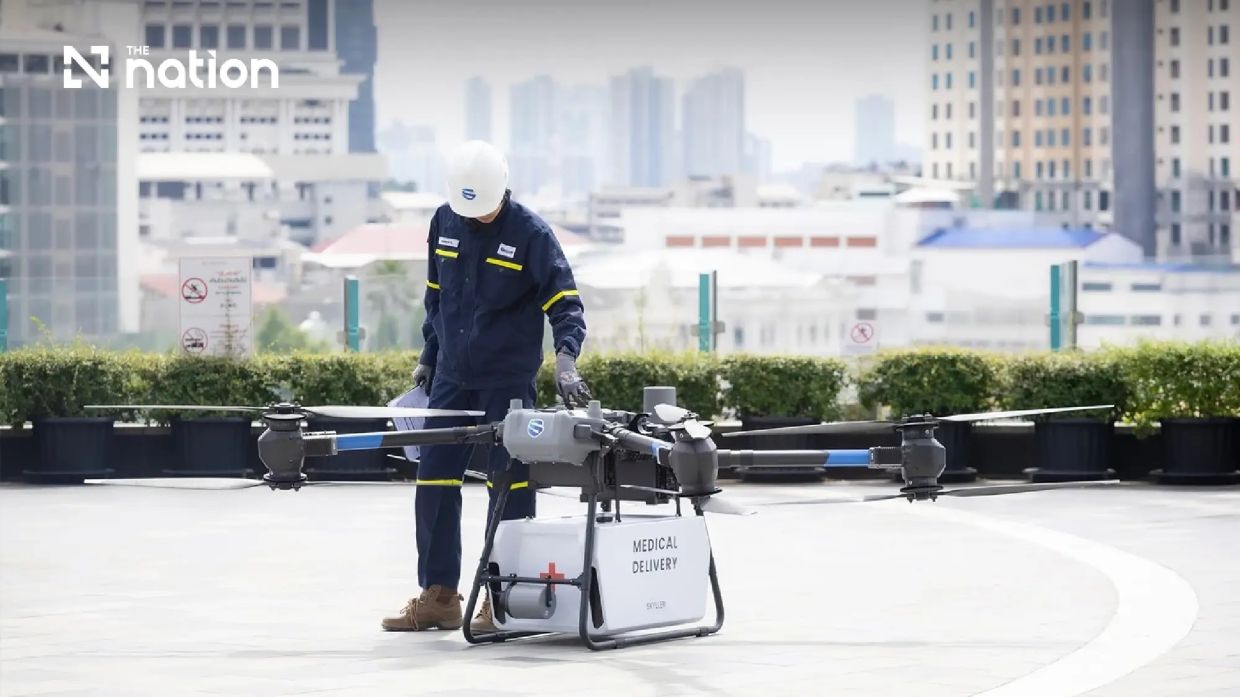
CAAT is finalising its Unmanned Aircraft Systems (UAS) Master Plan as it prepares to host the landmark ICAO Second Advanced Air Mobility (AAM 2026) conference, marking the first time this global future-aircraft forum will be held in Asia.
Air Chief Marshal Manat underscored the significance of the upcoming event, where Thailand will champion the formal adoption of the "Bangkok Statement"—a foundational framework intended to shape global regulatory standards for autonomous flight and next-generation drones.
"If successfully implemented, global aviation laws in this new era will carry the name of the Thai capital, much like the historic Tokyo Protocol," Air Chief Marshal Manat noted, emphasising that the framework would sustainably amplify Thailand's institutional bargaining power on the global stage.
Reflecting the global aviation community's trust in Thailand's regulatory leadership, the International Civil Aviation Organisation (ICAO) has extended a royal invitation to His Majesty the King and Her Majesty the Queen to officially attend the international summit.
The organisation also plans to present a commemorative medal of honour to His Majesty the King, acknowledging his specialised expertise as a pilot king and cementing Thailand’s standing as an emerging technological epicentre for the region's aviation future. - The Nation/ANN