China told the European Union that it is open to exploring ways to cut its massive trade surplus with the bloc during talks in Brussels this week, according to multiple people briefed on the discussion.
Chinese Commerce Minister Wang Wentao signalled to EU trade chief Maros Sefcovic that China was willing to consider purchase agreements covering European goods.
The discussions touched on lowering tariffs on EU-made goods, in a rare sign that China recognises that its billion-euro a day trade surplus has become a political problem.
Related to that, Beijing is also, and perhaps surprisingly, open to slowing its massive surge in exports to the 27-member union, which has led to fears of European manufacturers being wiped out by cut-price and increasingly high-quality Chinese goods. But Wang expressed more enthusiasm for increasing imports from Europe, some of the people said.
Publicly, Beijing has played down the significance of the trade gap, insisting it is simply the result of market demand in Europe for Chinese goods.
In previous meetings, Chinese officials have said Dutch export controls on expensive semiconductor-making machines prevent it from rebalancing trade.
The apparent shift on Monday could be due to an emerging EU appetite to gird its China policy with new weapons following a debate on the topic between the member states last month.
How the EU is looking to tackle the high volume of Chinese products
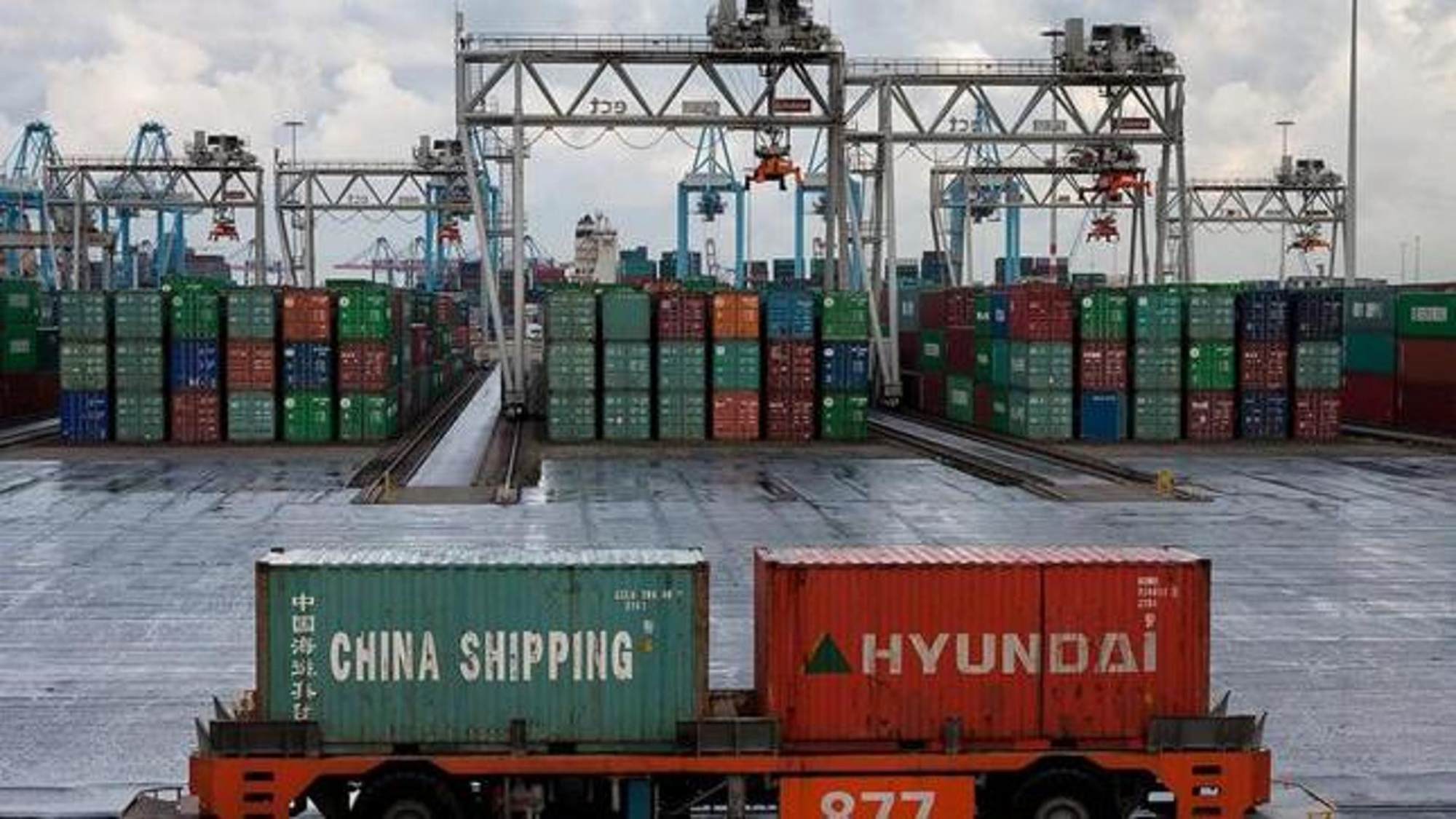
The EU is interested in using tariff-rate quotas to stem to stem the deluge of Chinese products arriving at EU ports in key sectors.
This two-tiered system – known as safeguards – would allow a specific quantity of a product to enter a country at a reduced tariff rate. Once this limit is reached, any additional imports are subject to a significantly higher tariff.
In May alone, the EU’s trade deficit with China rose by 15 per cent compared with a year earlier, with Germany’s own deficit expanding by 31.6 per cent. Last year, the deficit soared to more than US$410 billion, a number described by EU leaders as “unsustainable”.
Sefcovic debriefed EU ambassadors on the talks on Wednesday, during which he confirmed plans for two new instruments to be developed later this year as the commission looks for innovative ways to tackle its imbalances with China should negotiations fail.
The first, a diversification tool, would compel companies to expand their supplier base to avoid dangerous dependencies in critical sectors.
The second, a solidarity mechanism, would compensate companies that are subjected to retaliation in a trade war, theoretically giving the EU space to escalate when necessary, since it could assuage the concerns of capitals over being targeted.
Sefcovic said on Monday that talks were “intensive, focused and constructive” and that there was “much more understanding for the common challenges for the European situation from our Chinese counterparts than we had before”.
He set an October deadline for talks with Beijing to show “tangible results”, a timeline that would fit with a mandate given to the European Commission by EU leaders last month to devise new tools for tackling the lopsided relationship in the autumn.
Germany on board with tougher EU posture towards China
On Thursday, Brussels’ plans were handed a huge boost when Germany confirmed it is on board with a tougher EU trade policy towards China, with new government reform plans advocating for “sector-wide” measures to tackle “unfair competition”.
The note appeared in a package of reforms designed to boost the ailing German economy and signalled support for a broadening of the EU’s trade arsenal for dealing with what is commonly described as the “China shock” to European industry.
“Robust protection against unfair competition is required, particularly through faster and sector-wide application of anti-dumping and anti-subsidy measures at the European level,” read the German policy document.
Currently, the EU uses predominantly narrow product-based tariffs to counter unfair trade but has mulled more frequent use of safeguard measures, or even the development of a new trade instrument to allow it to target entire sectors from one country.
“Opportunities to circumvent these protective measures must be effectively prevented, and geoeconomic disparities and imbalances must be addressed,” the German document continued.
Presenting the plans in Berlin, Chancellor Friedrich Merz said: “We do not want trade imbalances of the current magnitude to arise or grow further.”
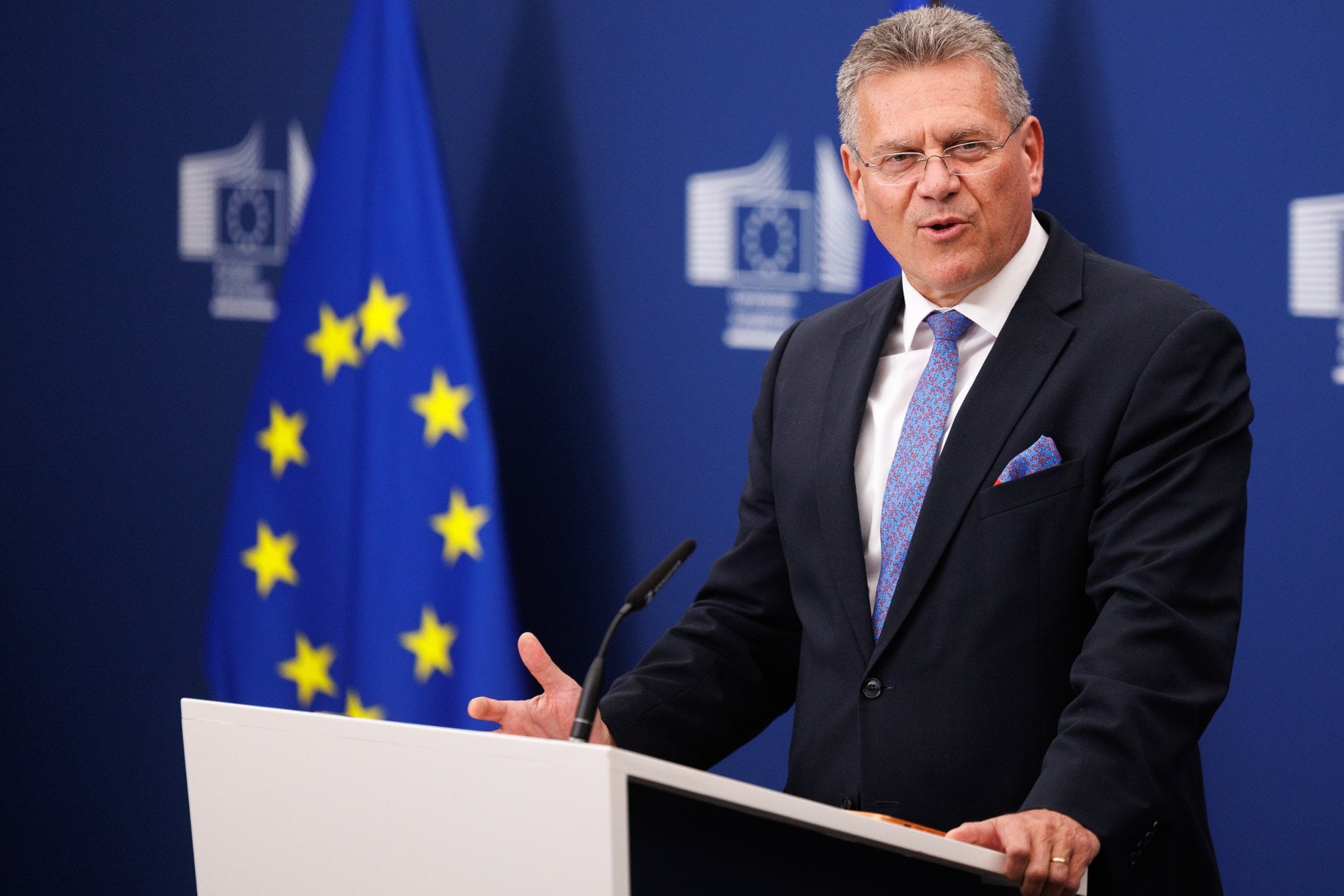
Sefcovic will travel to Beijing in October. But EU officials are expecting a frantic summer of working-level dealings with Chinese counterparts as the sides scramble to find an off-ramp from an increasingly bitter trade dispute.
But the signs are that the bloc’s work on de-risking its economic entanglement with Beijing will continue apace, with a flurry of broadsides coming on the back of Monday’s talks.
On Thursday, the commission launched an anti-dumping probe into some Chinese-made batteries – the sort typically used in television remotes and other household gadgets – after complaints from European industry.
On Wednesday, it introduced a €3 (US$3.43) handling charge for any package valued at under €150 (US$171) entering the EU market, with postal services warning they had been overwhelmed by cheap goods bought on Chinese e-commerce platforms like Temu and Shein.
Also on Wednesday, it doubled the tariff rate on above-quota steel imports to 50 per cent, after a previous safeguarding arrangement expired. The tariffs apply to steel from around the world, but the move stemmed from a glut of overproduction largely emanating from China.
Manfred Weber, the chair of the European Parliament’s largest group, the European People’s Party, on Wednesday warned that the EU was heading into a “phase of conflict” with Beijing if it does not reach a deal by autumn.
“We have to fundamentally change of our approach to China,” Weber told Euronews. “We need a new level playing field where we clarify that subsidies cannot be part of a free-market economy.” -- SOUTH CHINA MORNING POST