
BEIJING: A refund initiative launched by a famous barbecue restaurant chain in China has drawn significant attention on mainland social media, triggering a debate about a culture of valuing the feelings of customers.
At the beginning of May, Very Long Ago Lamb Skewers, which has 142 directly managed outlets across the country, contacted customers who ate at 48,000 tables at 24 restaurants in February.
The eatery was offering to refund them half of the bill for the mutton kebab they ate.
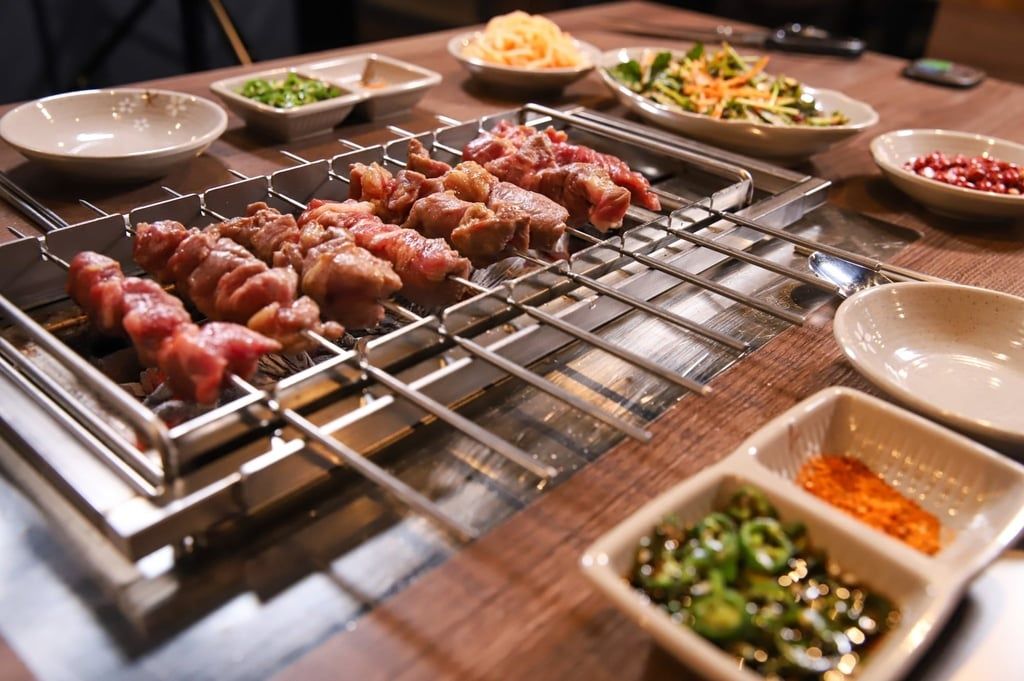
The refund, at a combined cost of 1.1 million yuan (US$162,000), was launched not because the company received a wave of complaints from customers, but because it found the roast it served was not “grilled properly”, the Bandao Morning Post reported.
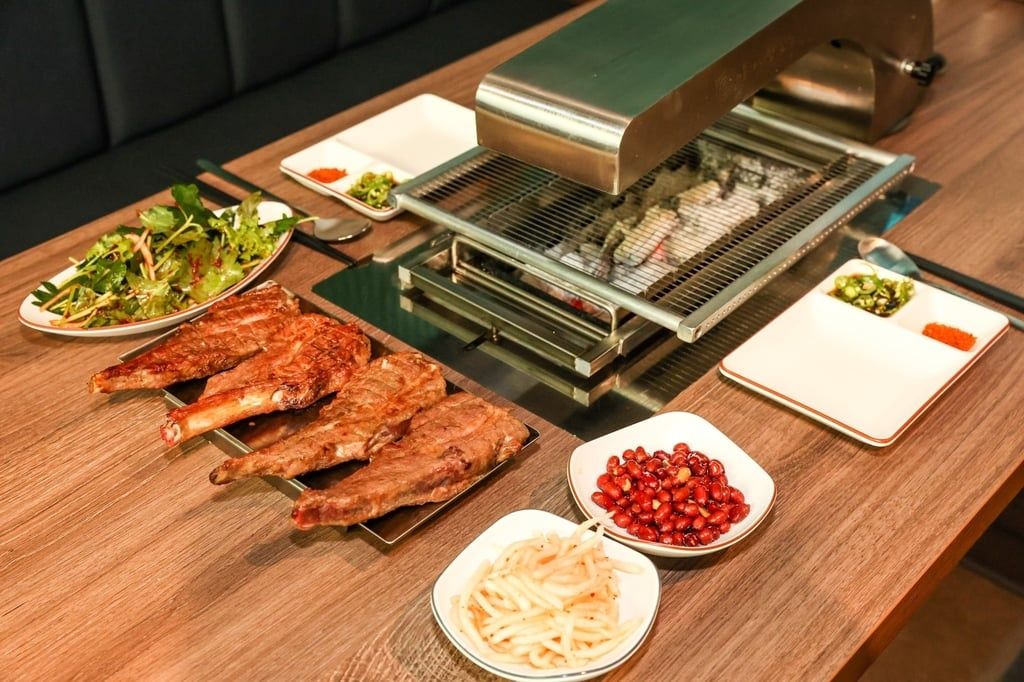
The company explained the problem occurred due to new grilling equipment which did not control temperatures properly.
The news provoked mixed reactions on mainland social media.
While some people branded it a brilliant marketing stunt, others said it was good to reward customers.
Yao Suxin, a public relations expert, told China News Service that the brand’s refund incident served as a warning to related outlets that they should strengthen their internal management.
The measure had helped the brand set up an image of focusing on food quality, thus garnering online traffic, said Yao.
It is not the first time that Very Long Ago Lamb Skewers made headlines for its refund policy.
Established in 2008, the brand uses lamb from Hulunbuir, one of China’s top grasslands.
Diners can get the bill exempted simply by telling servers that they thought the dish was not delicious.
The company will also instantly refund part of the bill if customers complain about having to queue or wait for too long.
As a result, many internet users joked that the brand seems keen to refund customers, making them feel self-conscious about making any criticisms.
The lax refund rule is just one “extremely considerate service” it is famous for.
When a customer enters, servers will give them a patch to help them cool down if the restaurant is hot.
Tissues in its outlets are not only super soft, but also taste sweet. Items available in its toilets include tissue, hand cream, mouthwash and Florida water.
They also serve free ice-cream to diners when they finish their meals.
The brand is also popular among tourists from South Korea, leading some outlets in Beijing and Shanghai to hire Korean-speaking waiters.
The good service of the company has earned it the nickname the “Haidilao in the barbecue sector”. Haidilao, the leading hotpot restaurant chain, is generally regarded as the “ceiling of the service industry in China”.
Thoughtful measures at Haidilao range from manicure and car wash services, before-meal fruit, snacks and drinks, and face-changing and hand-pulled noodle performances, all for free.
Another brand well known for valuing customers is Pangdonglai, a retail giant based in central Henan province.
It provides meticulous services to shoppers, such as seven types of shopping trolleys targeting different groups of people, pet storage and daily report on pesticide examination. It also promises to refund customers if they are not satisfied.
The Chinese internet is abuzz with these companies’ measures valuing customers’ feelings.
“To be honest, consumption at those venues is a bit more expensive than the average level. But I am willing to pay since they value my feelings,” said one internet user.
“They all have one thing in common: using sincerity in exchange for sincerity,” said another person. - South China Morning Post