




Hong Kong authorities should consider the impact of technological developments when drafting policies, observers have said, noting the government’s decision to halt plans for basketball betting reflected a lack of thorough discussion.
Their remarks on Tuesday followed the government announcing the suspension over concerns about new “prediction market” gambling while warning that it was illegal for Hongkongers to bet on sports events on such trading platforms.
An amendment bill to the Betting Duty Ordinance was passed in September to empower the secretary for home and youth affairs to license a basketball betting operator in the city, aiming to tackle illegal gambling.
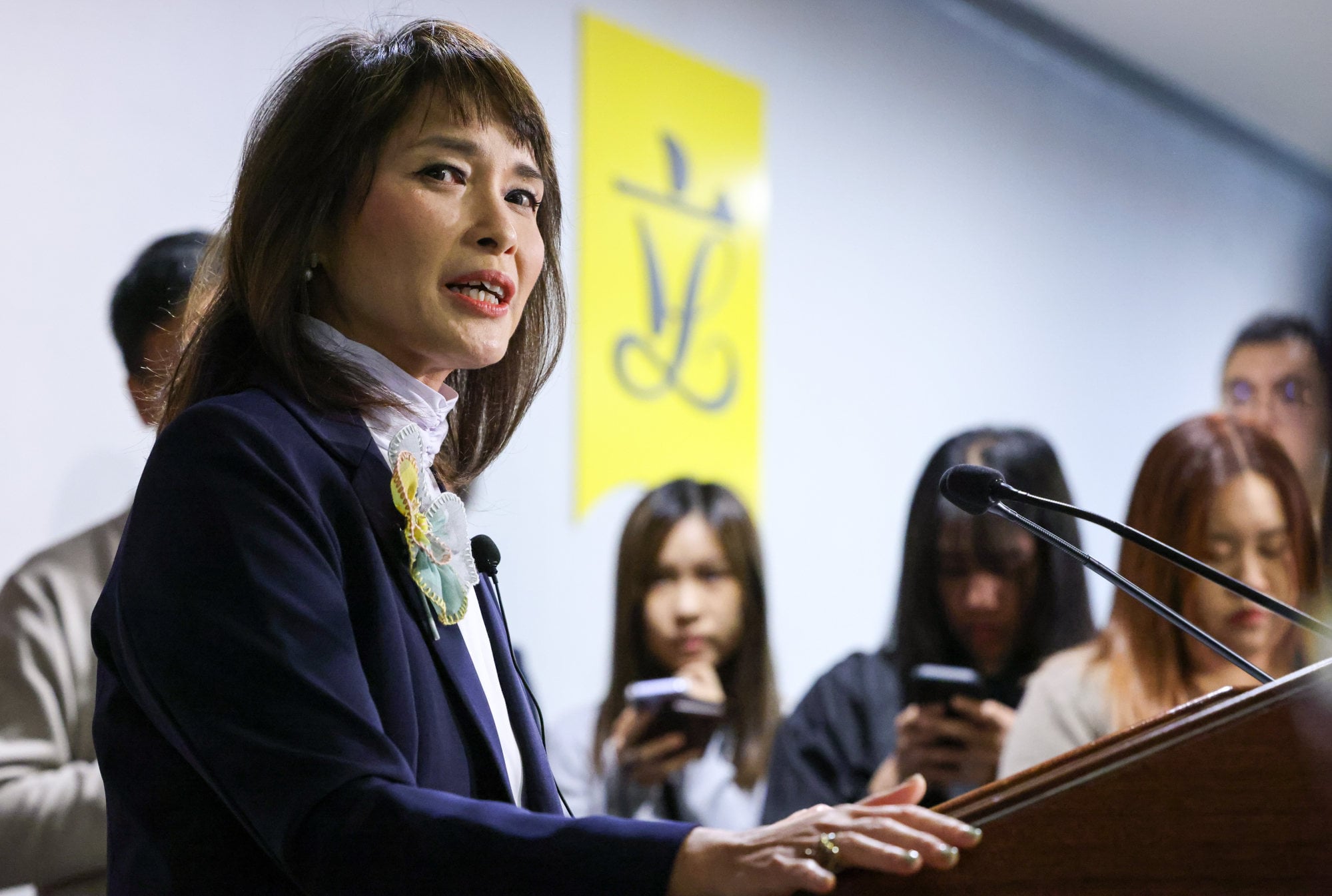
“The development of technology is faster than the pace of legislation. In such a situation, if the government is worried that betting will be easily manipulated by others, halting it is not a bad thing,” former lawmaker Doreen Kong Yuk-foon said.
“In future legislative processes, when the government prepares its policy papers, it should include a prediction on [the influence of] technological development, as we do not wish to see such a situation for a second time.”
The prediction market refers to a cryptocurrency-based gambling model, where participants can trade “shares” based on the outcome of a specific “yes-or-no event”, such as the results of elections and sports competitions.
Secretary for Home and Youth Affairs Alice Mak Mei-kuen said on Tuesday that the global monthly transaction volume in the prediction market was under US$100 million in early 2024 but had soared to US$13 billion by December 2025, three months after the bill passed.
Mak justified the government’s decision with concerns that introducing authorised basketball betting could provoke interest in betting and give rise to demand for illegal gambling like the prediction market.
The Hong Kong Jockey Club said it respected the authorities’ decision and would wait for further advice on its basketball betting licence application.
John Burns, an emeritus professor from the department of politics and public administration at the University of Hong Kong (HKU), said while it was good the government realised the problems before the policy’s implementation, the incident would harm its credibility.
“Every time there are U-turns, it has an impact on the government’s reputation and credibility,” he said.
Burns added that since the prediction market existed before the administration submitted the bill, it reflected that its research and discussions on the topic were “not thorough”.
“I would urge them to be more careful in the drafting of proposals and [to be] more thorough.”
The halt on legalising basketball betting is also likely to shrink the revenue of the Jockey Club, the city’s sole gambling operator.
According to the government’s legislative brief on basketball betting, the annual turnover would be HK$28 billion in a few years, generating around HK$1.5 billion in betting duty.
The club also said in its 2024-25 annual report that preparing a basketball betting system would require “substantial” upfront investment needing several years to fully recover the funds.
A source said the club had invested hundreds of millions of dollars into betting infrastructure, software and recruiting manpower for the new system.
Authorities had also imposed a five-year special football betting duty totalling HK$12 billion on the club from the 2023-24 financial year to 2027-28, on top of the regular tax at 50 per cent of the stake receipt, to increase government revenue in the short term.
Ex-lawmaker Kong urged the government to review the duty to relieve pressure on the club, noting that it played a significant role in the city’s social welfare sector.
“Hong Kong faces too many social problems now, such as the ageing population, that require funding [to solve], while the government is tightening public expenditure on such fronts,” she said.
“I have talked to many non-government organisations, and they said their funding relies on the Jockey Club, ... so the government should help out the club to allow it to do better [in social welfare].”
According to the club’s annual report, its charity fund donated HK$9 billion in the 2024-25 financial year, doubling the level it committed to when the special football betting duty was introduced in 2023.
Burns from HKU also agreed that the club was an “important entity” as a source of social welfare and heritage conservation funding.
“So government needs to manage its relationship with the Jockey Club well,” he said. -- SOUTH CHINA MORNING POST



