
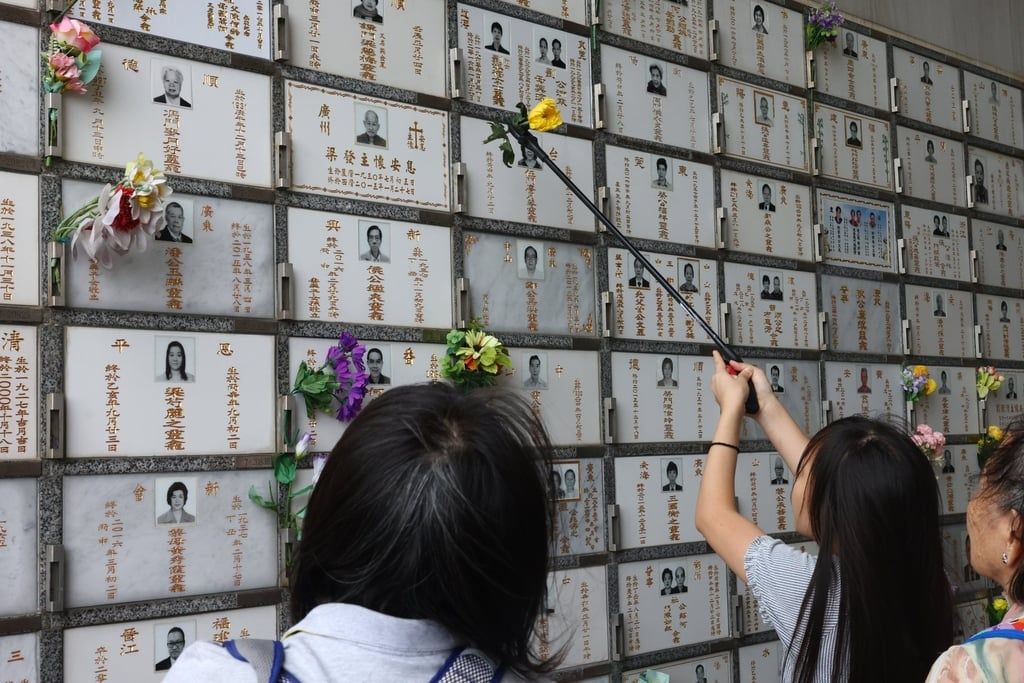
BEIJING (SCMP): On a recent trip to Hong Kong, I visited the Aberdeen Chinese Permanent Cemetery. The ashes of a friend, who died eight months ago, are interred there. I had not been able to attend his funeral. Our last encounter was a distressing video call from his hospital bed a few days before he passed away.
Standing before his niche, I recalled the good times we had shared in Hong Kong and on holidays abroad, and how kind he had been to me. He was also a window into a world that I was never privy to – a mid-century Hong Kong of gentler sensibilities and slower, more deliberate comportment, before much of it was bulldozed by the grating brashness of the 1980s and 90s.
Like most people in land-scarce Hong Kong today, he was cremated, contrary to the traditional Chinese belief that burial brings the dead peace. Cremation was once even regarded as a form of humiliation or punishment, often reserved as an extreme penalty for heinous crimes. The intention was to obliterate the remains, thereby condemning the soul to eternal oblivion.
Yet during China’s Song dynasty (960-1279), cremation became remarkably widespread. This was not a fringe practice confined to the margins of society but a genuine popular movement that challenged the very core of tradition. Its rise was driven by a blend of religious faith, circumstance and pragmatism.
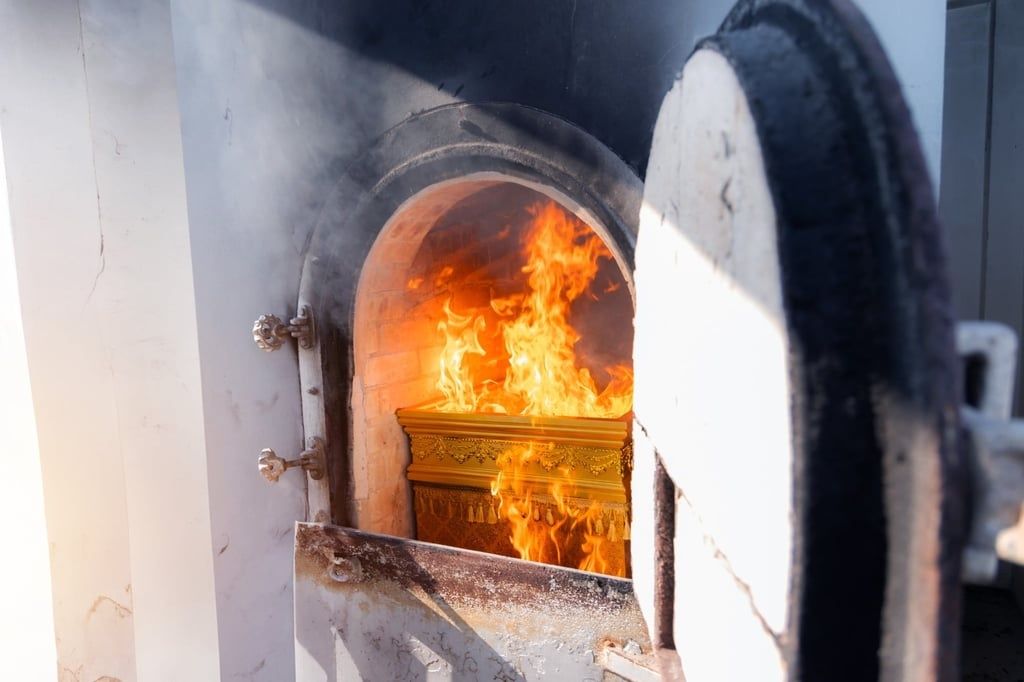
First was the profound influence of Buddhism, which viewed cremation as a sacred act that could guide the soul to the Western Paradise. Economics played a role, too. The Song era saw massive land grabs by the wealthy, leaving many ordinary people without a plot of earth to call their own, let alone the means to afford a costly burial. Funeral expenses – for burial plots, coffins, ceremonial goods and the hiring of ritual specialists – were simply beyond the reach of many families.
Another factor was cultural exchange. Song China coexisted with neighbouring non-Han Chinese states such as the Liao, Jin and Western Xia. Their ruling classes were the Khitan, Jurchen and Tangut peoples, for whom cremation was common. Increased interaction through trade and migration helped normalise the custom in Chinese border regions before it spread further inland.
Cremation was not a practice the Song-dynasty government endorsed, however. Confucian scholars and officials viewed it as a barbaric violation of filial piety, and emperors issued repeated bans. But these edicts were rarely enforced. Local authorities often looked the other way when confronted with the practical realities facing their communities.
Regional geography also played a decisive role. In the water-rich, densely populated south, in particular the Zhejiang and Jiangsu regions known for their marshy lowlands, finding dry, elevated ground suitable for a traditional grave was a challenge. Wealthy families might transport their dead to distant hills, but for ordinary people, cremation offered a sensible solution.
The strength of local clan structures, which in later dynasties would enforce earth burial norms, was still developing during the Song period. Without such social pressure, families made the choice that best suited their circumstances.
Although cremation persisted among commoners after the Song era, the rulers of the Ming (1368-1644) and Qing (1644-1912) dynasties officially prohibited it, deeming it an unfilial and depraved custom. Exceptions were made for non-Han Chinese minorities and Buddhist clergy.
The Song era thus reveals a fascinating tension: a society caught between economic reality, religious ideas and geographical constraints on one side, and the weight of ancient tradition on the other. For many in Song China – as in present-day Hong Kong – this economical, sanitary and simple solution was not a rejection of respect for the dead but the most respectful option they could afford. -- A REFLECTIONS article from the South China Morning Post