KUALA LUMPUR (Bernama): A month after the United States and Israel launched strikes on Iran, the conflict has spiralled into a widening regional crisis, roiling global energy markets as Malaysia steps up calls for restraint and de-escalation.
The war, which began on Feb 28 with coordinated US-Israeli strikes on Iranian targets, has since triggered retaliatory attacks by Tehran across West Asia, drawing in multiple actors and raising the risk of broader instability.
The escalation has already claimed around 1,300 lives in its early stages, including senior figures within Iran’s leadership, according to reports.
The attacks have forced the closure of large parts of West Asia’s airspace, disrupting flights worldwide and stranding thousands of travellers. Countries, including Malaysia, have moved to evacuate their citizens following widespread flight suspensions.
Countries across Asia and beyond have launched urgent evacuation operations to bring their citizens home from affected areas.
On March 11, Malaysia carried out its first evacuation involving 163 Malaysians and seven non-citizen family members, comprising five Thai nationals, one Indonesian and one Moroccan.
A chartered Malaysia Airlines flight, MH8503, deployed under the Operation to Evacuate Malaysians from the West Asia Conflict Zone, carried umrah pilgrims in Saudi Arabia as well as Malaysians in Qatar, Jordan and Syria affected by flight disruptions and airspace closures in the region.
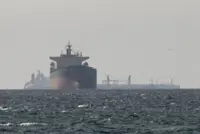
Beyond the battlefield, the US-Israeli attacks have jolted global oil and gas markets, with tensions around the strategic Strait of Hormuz - a route that handles about 20 per cent of global oil and LNG supplies - sending shockwaves through shipping and trade.
Fuel prices across Southeast Asia are edging higher as tensions in West Asia tighten supply, pushing crude above US$100 per barrel and disrupting key shipping routes, notably through the Strait of Hormuz.
On Monday, oil prices rose at the start of the fifth trading week since the outbreak of the Iran war, with North Sea Brent for May delivery climbing as much as four per cent to nearly US$117 per barrel, according to dpa.
JPMorgan chief economist Bruce Kasman warned that prices could rise to US$150 per barrel if the Strait of Hormuz remains closed for another month.
To manage the fuel crisis, several countries have announced measures to mitigate the impact of rising energy costs, particularly those heavily dependent on crude oil from West Asia. The moves come amid escalating tensions that have triggered sharp volatility in global energy markets and disrupted fuel supplies.
In the Philippines, President Ferdinand Marcos Jr. ordered the implementation of a four-day workweek in selected executive branch offices as part of efforts to conserve energy.
Thailand’s Prime Minister Anutin Charnvirakul has also instructed government agencies and state enterprises to implement work-from-home arrangements to reduce energy consumption.
Meanwhile, Gulf countries are facing mounting pressure as the conflict spills across borders.
According to Anadolu on March 24, Saudi Arabia and the United Arab Emirates were "inching towards collaborating with US and Israeli forces” following persistent Iranian attacks that disrupted their economies and heightened security risks.
Malaysia has called for restraint and an immediate halt to hostilities, with Prime Minister Datuk Seri Anwar Ibrahim urging all parties on March 18 to avoid further escalation, stressing that Malaysia opposes any form of aggression that threatens regional and global peace.
Wisma Putra (Foreign Ministry) also emphasised the need for dialogue and adherence to international law, warning of far-reaching humanitarian and economic consequences.
Despite mounting diplomatic pressure, prospects for a ceasefire remain uncertain as both sides continue to exchange strikes and reinforce military positions.
As the conflict enters its second month, it shows little sign of abating, even as countries including Malaysia intensify calls for dialogue, underscoring the urgent need for a negotiated resolution to prevent a broader regional war.
-- BERNAMA