From April 20 to May 4, over 1,700 households displaced by the blaze at Wang Fuk Court in Hong Kong’s Tai Po district can return in stages to retrieve personal belongings from their fire-damaged flats.
The residents will be backed by a large-scale government mobilisation of about 1,000 personnel daily – 15,000 in total – to lend a hand on-site, the authorities announced on Friday.
Entry times run from 9am to 1pm, and from 2.30pm to 6.30pm daily. Up to four people will be allowed to enter their flat together, with stays limited to three hours.
For a handful of structurally compromised flats, however, access will be capped at just one person, Deputy Chief Secretary for Administration Warner Cheuk Wing-hing said.
The announcement follows a brief 90-minute reprieve in early December for residents of Wang Chi House – the sole tower spared from the fire that broke out at Wang Fuk Court on Nov 26 – to retrieve their belongings.
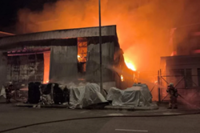
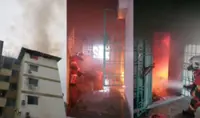
The fire eventually consumed seven of the residential complex’s eight high-rise buildings, and claimed 168 lives.
Cheuk said each household could register persons to enter the flats after discussing with government social workers.
Lifts in the buildings are out of service, Cheuk said, which will require entrants to climb stairs.
Those who lived in high-rise units potentially face a climb of 20 to 30 floors, Cheuk said, advising elderly people, those with health or mobility issues, and children not to attempt it.
The 15-day arrangement, Cheuk said, will involve more than 1,700 households, with an estimated 7,000 people expected to enter the flats.
Each day, the government will deploy a 1,000-member team to handle on-site escort duties, crowd control, emotional support and various emergency measures.
He added that police, fire and medical services will be ready to provide emergency care and medical support.
On long-term resettlement for residents of the spared tower Wang Chi House, Secretary for Home and Youth Affairs Alice Mak Meikuen said restoring the block to a safe, habitable state for reoccupation “demands far more complex and extensive work than originally anticipated”. — China Daily/ANN