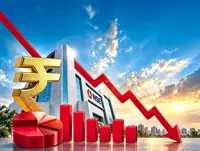
SINGAPORE/MANILA (Bloomberg, Reuters): Stocks sold off in Asia on March 23 and gold plummeted to wipe out its 2026 gains as the escalating Middle East conflict deepened global inflation fears.
US President Donald Trump issued a 48-hour ultimatum to Tehran to reopen the Strait of Hormuz or face strikes on its power plants, a deadline that expires on the evening of March 23 in New York. Iran responded that any such attack would prompt it to shut the vital artery for global energy flows indefinitely and target US and Israeli energy infrastructure across the region.
With the conflict now in its fourth week and showing no sign of ending, the head of the International Energy Agency warned the crisis was “very severe” and worse than the two oil shocks of the 1970s put together.
Analysts, meanwhile, have also raised the prospect of a surge in inflation that could force central banks to hike interest rates, while the choking off of fertiliser shipments has also fanned concerns about global food security.
Japan’s Nikkei index lost 3.5 per cent at the close, South Korea’s Kospi index sank 6.5 per cent, Hong Kong’s Hang Seng Index tumbled 3.5 per cent, while the Shanghai Composite Index fell 3.6 per cent.
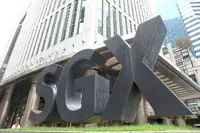
Singapore’s Straits Times Index closed down 2.2 per cent.
Spot gold plunged as much as 8.8 per cent to near US$4,100 an ounce, while gold futures were down almost 10 per cent at US$4119.10 on expectations of higher global interest rates.
Gold generates no interest so when central banks raise interest rates, investors tend to sell gold to invest in interest-yielding assets like bonds or savings accounts. Additionally, higher rates often strengthen the US dollar, making gold costlier for foreign buyers.
Global oil benchmark Brent crude swung sharply, jumping 1.9 per cent initially before reversing to fall nearly 1.8 per cent. Brent was up 1.4 per cent at US$113.80 at 4.24pm Singapore time.
“Markets are definitely getting more nervous about what’s happening in the Middle East right now,” Mr Martin Schulz, head of the international equity group at Federated Hermes, said on Bloomberg TV. “Our view is it is time for caution, not panic. Duration is the main issue. The longer this drags out, obviously the worse it gets.”
Global markets have been rattled by the conflict in the Middle East, with stocks and bonds selling off in tandem last week as concerns about inflation and slower economic growth intensified. That is also weighing on policymakers, with Federal Reserve chair Jerome Powell saying on March 18 that the US central bank needs to see more progress on inflation before cutting rates again.
The sell-off in the US accelerated on March 20 as traders started anticipating that the Federal Reserve may shift to hiking interest rates in 2026 as oil prices threaten to deliver a fresh inflation shock. Markets are bracing themselves for similar moves from central banks in Japan, Europe and Britain, even as the war also dampens the outlook for economic growth globally.
The stand-off over Hormuz – through which roughly a fifth of the world’s oil and liquefied natural gas normally flows – has deepened a supply crisis already rippling into gasoline prices, fertiliser costs and food production. Traffic through the strait has effectively ground to a halt since the conflict began at the end of February.
“The war could still go on for many weeks yet and see oil prices rise say to US$150 a barrel,” said Shane Oliver, head of investment strategy at fund manager AMP. “And the steady destruction of energy infrastructure means it will take longer to get supply back to normal.
“It’s also worth noting that past oil shocks unfolded over many months in terms of the rise in oil prices as the full impact became clearer – it was over about 4 months in 1973 and a year in 1979.”
Analysts at HSBC noted Singapore jet fuel has soared 175 per cent in 2026 to a multi-decade high, while Asian liquefied natural gas (LNG) has surged 130 per cent. Bunker fuel used in shipping has blown out, raising the cost of transporting goods, while surging fertiliser prices will make food more expensive. -- BLOOMBERG, REUTERS