




China and Japan’s long-standing rivalry has deep historic roots, and relations between the two have taken a significant turn for the worse in recent months. This, the second in a three-part series, looks at whether Beijing overplayed its hand on the Taiwan issue in the face of what is a ‘strategic reality’ for Japan and how it may leverage its history of Japanese aggression.
More than four months into the bitter chill that has settled over China-Japan relations, the rift between the two major Asian powers is playing out beyond their own fraught ties.
In addition to rolling out more trade restrictions and travel advisories targeting Tokyo, Beijing has sought to rally support from the international community, particularly Asia-Pacific neighbours, in its criticism of Japanese Prime Minister Sanae Takaichi’s remarks in early November regarding a Taiwan contingency.
As for Japan, it has doubled down on bolstering its alignment with “like-minded” countries amid an absence of significant diplomatic backing from the United States, its most important ally.
Notably, Beijing has struggled to galvanise opposition to Tokyo.
Many countries in the region have been reluctant to side with Beijing, partly because they harbour security concerns similar to Japan’s and prefer to stay neutral, making it difficult for China to pressure Takaichi into fully retracting her remarks, according to analysts.
Nevertheless, a Chinese analyst expected that Beijing’s efforts would yield further results over time, suggesting it could adopt more targeted and nuanced diplomatic overtures.
A landslide victory in last month’s snap parliamentary election gave Takaichi’s ruling Liberal Democratic Party a sweeping mandate, but it has done little to temper Beijing’s sharp criticism of her remarks on Taiwan.
Chinese Foreign Minister Wang Yi raised the issue earlier this month during the annual “two sessions”, the country’s top legislative and political advisory meetings.
He warned that Takaichi’s “survival-threatening situation” rhetoric, which he said Japanese militarists in the past had used as a pretext for aggression, would “only make people in China and the rest of Asia alert and deeply worried: where exactly is Japan headed?”
The appeal by Beijing’s top diplomat borrowed from a playbook often deployed by Chinese authorities.
Tensions spiked after Takaichi told parliament on November 7 that a military attack on Taiwan or naval blockade by Beijing might constitute a “survival-threatening situation” for Japan, implying that Tokyo could invoke its right to collective self-defence.
It marked the first time a sitting Japanese prime minister had made such remarks on a Taiwan contingency, departing from Tokyo’s long-held strategic ambiguity on the matter.
In the days following Takaichi’s remarks, Beijing convened a rare meeting with Southeast Asian envoys to urge individual countries to support its position against Japan, the South China Morning Post reported last month.
However, the move has yet to yield much success for China.
In January, Beijing also approached Seoul, which has long-standing historical grievances and territorial disputes with Tokyo, urging it to take a “correct” position.
A week later, South Korean President Lee Jae Myung said that, for his country, “relations with Japan are just as important as relations with China”.
Except for Russia and Myanmar, no countries in the region have followed China in publicly condemning Takaichi’s comments.
Patricia Kim, a fellow at the Washington-based Brookings Institution, said Beijing’s pressure campaign had gained little sympathy or traction in Asia because many in the region possibly shared Tokyo’s view that a conflict in the Taiwan Strait would have serious negative consequences for their own security and overall regional stability.
“In addition, a number of countries have themselves experienced Beijing’s diplomatic backlash and economic pressure in the past and therefore have little interest in legitimising or endorsing such behaviour,” she said.
Kim said the prevailing view in Tokyo was that Beijing had overplayed its hand in response to Takaichi’s remarks, which “simply reflected Japan’s strategic reality”.
“From that perspective, Beijing’s demand for a full retraction is seen as unreasonable and is unlikely to be met.”
Beijing sees Taiwan as part of China, to be reunited by force if necessary.
Most countries, including the US, Japan, South Korea and neighbours in Southeast Asia, do not recognise Taiwan as an independent state. However, Washington is opposed to any attempt to take the self-ruled island by force and is committed to supplying it with weapons.
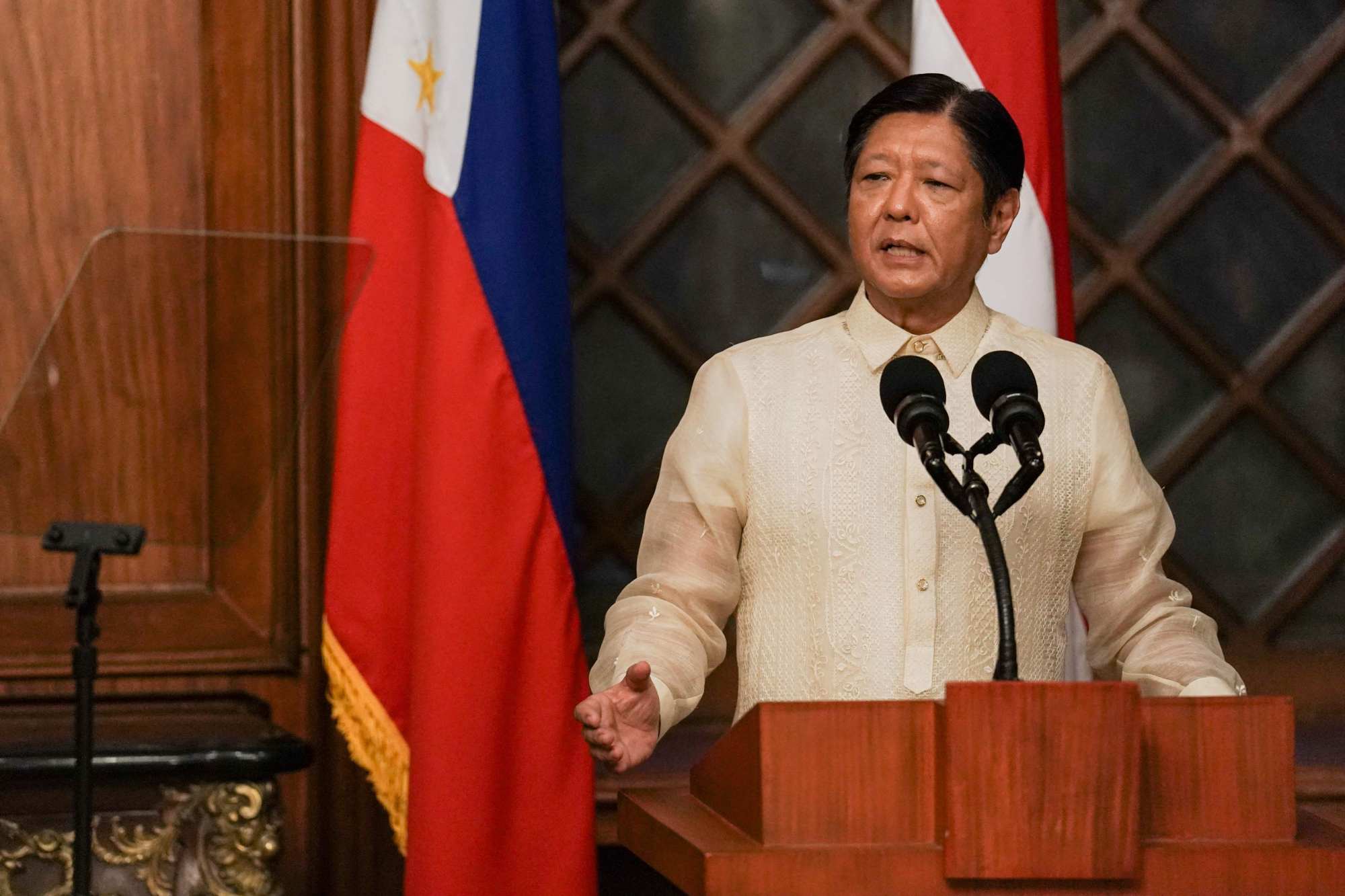
In August, Philippine President Ferdinand Marcos Jnr said a war over Taiwan would drag his country “kicking and screaming” into such a conflict because of geographical proximity, adding that he hoped “it doesn’t happen”.
According to the 2025 edition of an annual survey conducted by the ISEAS-Yusof Ishak Institute, a Singapore-based research group, more than 41 per cent of about 2,000 respondents in Southeast Asia harbour distrust towards China.
Among those who said they distrusted China, nearly half believed its economic and military power threatened their countries’ interests and sovereignty.
In contrast, Japan in the same poll was viewed as the most trusted major power.
A muted response to China’s diplomatic campaign was to be expected, particularly among Southeast Asian countries given their “preference for neutrality”, said Sarah Soh, an associate research fellow with the S. Rajaratnam School of International Studies’ regional security architecture programme at Nanyang Technological University, Singapore.
Aside from Myanmar, no Southeast Asian country would want to be seen as siding with China, Soh added.
“Most countries would opt not to weigh in or be involved in what they consider to be an essentially bilateral spat between China and Japan,” she said.
Soh noted that Beijing viewed its relations with Tokyo through a unique nationalist lens, framed by its “particular interpretations of history and national identity”, with Japan’s wars against China looming large in the “century of humiliation” narrative.
In November, Singaporean Prime Minister Lawrence Wong voiced hope that Beijing and Tokyo could “find ways” to de-escalate tensions, while suggesting that China “put the history aside” and move forward.
“Singapore and all the Southeast Asian countries support Japan playing a bigger role in our region, including on the security front,” Wong said.
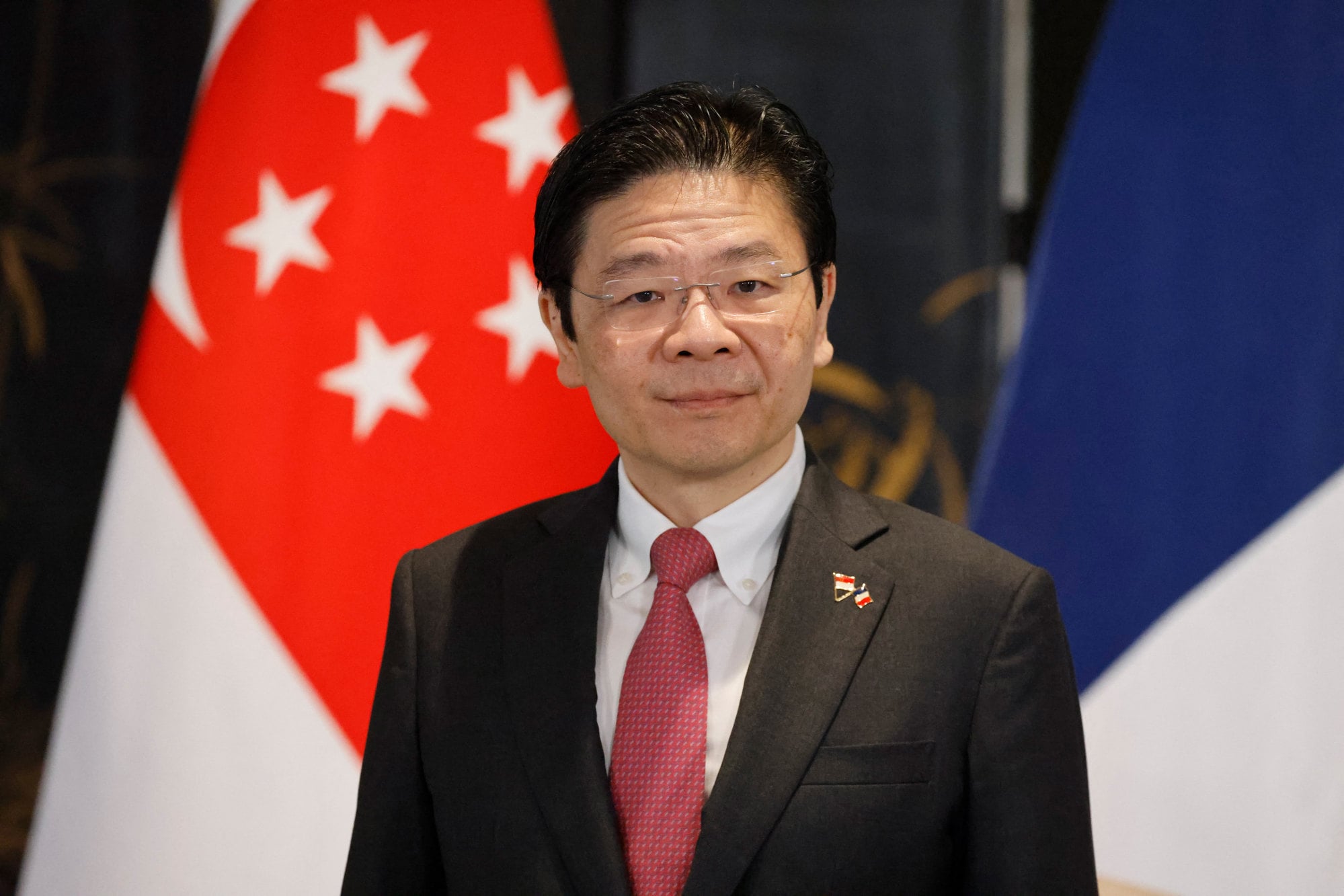
The Singaporean leader’s comments elicited strong backlash on Chinese social media, with many in the online community accusing him of siding with Japan.
During World War II, imperial Japan invaded or occupied more than a dozen major Asian countries and colonial territories, stretching from China and the Korean peninsula to nearly the whole of Southeast Asia. Those years saw documented atrocities affecting millions of civilians.
China’s diplomatic efforts to date have not been entirely devoid of results, having already “sent ripples” in some countries and regions, according to Chen Yang, a research fellow at the Charhar Institute, a Beijing-based think tank.
“All things undergo qualitative transformations through quantitative changes,” he said. “Over time, [China’s appeals and outreach] will inevitably help people in more countries and regions genuinely understand the real dangers posed by Japan’s military build-up.”
Chen suggested China could leverage its history of enduring Japanese aggression to continue highlighting to the international community the possible consequences of Takaichi’s push to strengthen Japan’s military.
“China should tailor its approach to different countries and regions and adopt varied diplomatic narratives,” he said, noting that perceptions of Japan’s policies and their consequences differed significantly across the world because of geography and ideology.
For greater emotional resonance, Beijing’s outreach to Southeast Asian nations could emphasise their shared experiences as victims of Japanese aggression during World War II, he added.
For Europe, Beijing should highlight the parallels between militarism and fascism to help them understand the dangers of Tokyo’s military moves, Chen said.
He added that China could alert the US that an unchecked Japanese military could ultimately turn against American interests.
Chen also said Beijing could deepen defence and security cooperation with its neighbours to show them that “China is a reliable partner for regional security, while Japan’s military expansion is a real threat”. -- SOUTH CHINA MORNING POST


