Pakistan and Afghanistan announced a halt in fighting during celebrations for the end of Ramadan, after the deadliest strike in their escalating conflict killed hundreds in Kabul earlier this week.
The governments in Islamabad and Kabul said in separate statements on Wednesday that Saudi Arabia, Qatar and Turkiye had requested a pause in fighting during Aidilfitri and both agreed.
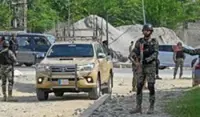
Cross-border attacks have intensified since last month and Pakistan accuses the Taliban authorities of shielding extremists behind the violence on its territory.
Afghanistan denies doing so.
On Monday night, Pakistani jets struck a drug rehabilitation centre in the Afghan capital, prompting fresh calls for an immediate end to attacks and talks to end the bloodshed.
Pakistan’s information minister, Attaullah Tarar, said the government agreed to a halt to its operations until Monday “in good faith and in keeping with the Islamic norms”.
Tarar said: “In case of any cross-border attack, drone attack or any terrorist incident inside Pakistan, (operations) shall immediately resume with renewed intensity.”
Taliban government spokesman Zabihullah Mujahid said defending Afghanistan was “a national and religious obligation” and the country would respond to any aggression or threat.
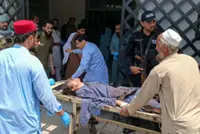
The Taliban authorities have said that around 400 people were killed and more than 200 wounded in Monday’s strike, and a mass funeral was held for some of the victims on Wednesday.
Afghan Red Crescent Society volunteers carried dozens of simple wooden coffins from a fleet of ambulances to a mass grave in Kabul, dug in the rocky ground of a hillside by giant excavators.
At the graveside, Interior Minister Sirajuddin Haqqani said they were innocent victims targeted by “criminals”.
“We will undoubtedly seek accountability for them,” Haqqani added, and warned those behind Monday night’s bombing: “We are not weak and helpless. You will see the consequences of your crimes.”
But Haqqani, who until last year had a US$10mil (RM39.38mil) bounty on his head, also suggested that talks were the government’s preferred option to halt the fighting.
“We do not want war but the situation has come to this,” he said.
“So, we are trying to solve the problems through diplomacy.”
Afghanistan and Pakistan have faced calls for an immediate end to the conflict, with the civilian death toll mounting and concern about those displaced.
The UN said before Monday’s strike that at least 76 Afghan civilians had been killed in the fighting since Feb 26, and that more than 115,000 people had been forced from their homes.
Mediation efforts have so far proved fruitless. The focus of Gulf countries has shifted to the situation in their own backyard since the start of US-Israeli strikes on Iran last month. — AFP