
South Korea and Japan have led declines in global stock markets amid the oil shock, underscoring how supply disruptions in the Middle East are weighing on growth in economies heavily reliant on fuel imports.
The Kospi index in Seoul has slumped 12 per cent since the US-Israel war with Iran broke out on February 28, while Tokyo’s Nikkei 225 has slid nearly 9 per cent. South Korea last week moved to cap oil price increases to limit inflation, while rising crude costs added to price pressures in Japan, complicating the Bank of Japan’s efforts to tame inflation without curbing growth.
The sell-offs in the two nations have been steeper than in Europe, where benchmarks in the UK, Germany and France have dropped around 7 per cent on reliance on Gulf gas imports. Hong Kong’s Hang Seng Index has fallen more than 4 per cent, while China’s CSI 300 Index has been the best performer globally with a decline of less than 1 per cent thanks to its exposure to renewable energy. The S&P 500 has dropped 3.6 per cent.
“Equity markets in Japan, Korea and Taiwan have sold off sharply as investors reacted to higher oil prices and geopolitical uncertainty,” said Ray Sharma-Ong, deputy global head of multi-asset bespoke solutions at Aberdeen Investments. “These economies are net energy importers, which partly explains the negative market reaction. The sell-off also reflects a risk-off rotation out of cyclical sectors into defensive assets.”
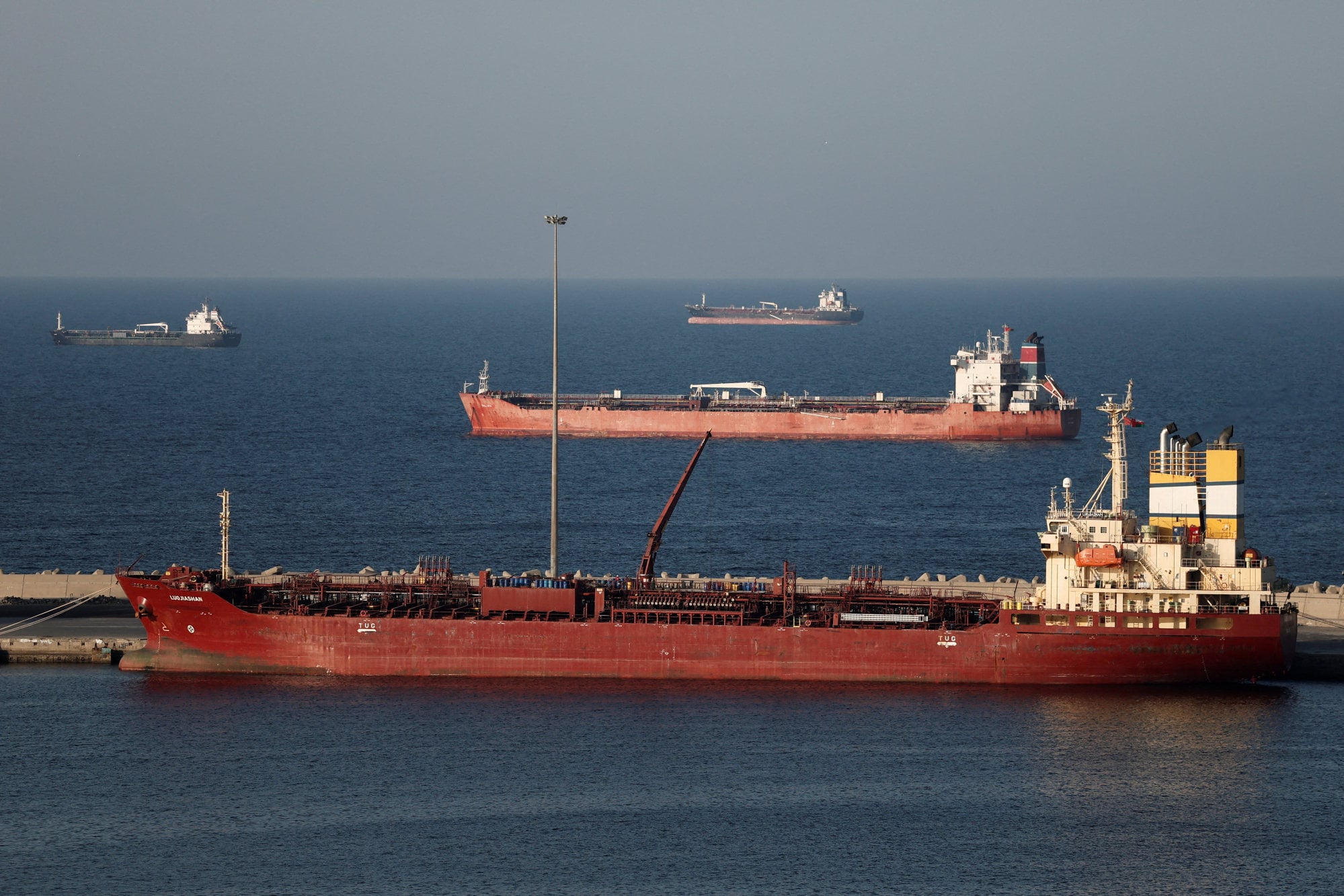
Oil shock has gripped global financial markets over the past two weeks, with investors’ focus shifting to oil prices after Iran’s blockade of the Strait of Hormuz choked global flows. Rising crude has stoked stagflation jitters, complicating central banks’ policy path to monetary easing, which supports stocks. With crude trading above US$100 a barrel, economists estimate it could add 0.7 percentage points to global inflation and shave 0.4 percentage points off growth.
Asia was the most energy import-dependent region, according to Morgan Stanley. Oil and gas trade deficits accounted for 2.1 per cent of the economy in the region, compared with 1.5 per cent for Europe, it said. South Korea was the most exposed among major nations, with an energy trade deficit equivalent to 4.3 per cent of its economy, while for Japan it was 2.7 per cent and for China 1.8 per cent.
Seoul’s move to cap oil prices would only distort the supply-demand dynamics and cause more critical issues over time, according to ING. Other Asian nations are also taking steps to cope with the energy crisis, with Thailand asking civil servants to work from home and the Philippines introducing a four-day work week for government officials.
Before the Middle East hostilities, South Korea and Japan had been Asia’s top gainers, buoyed by global artificial intelligence-driven demand for memory chips made by SK Hynix and Tokyo’s fresh stimulus measures that bolstered the growth outlook. In the first two months of the year, the Kospi surged 48 per cent and the Nikkei 225 jumped 17 per cent.
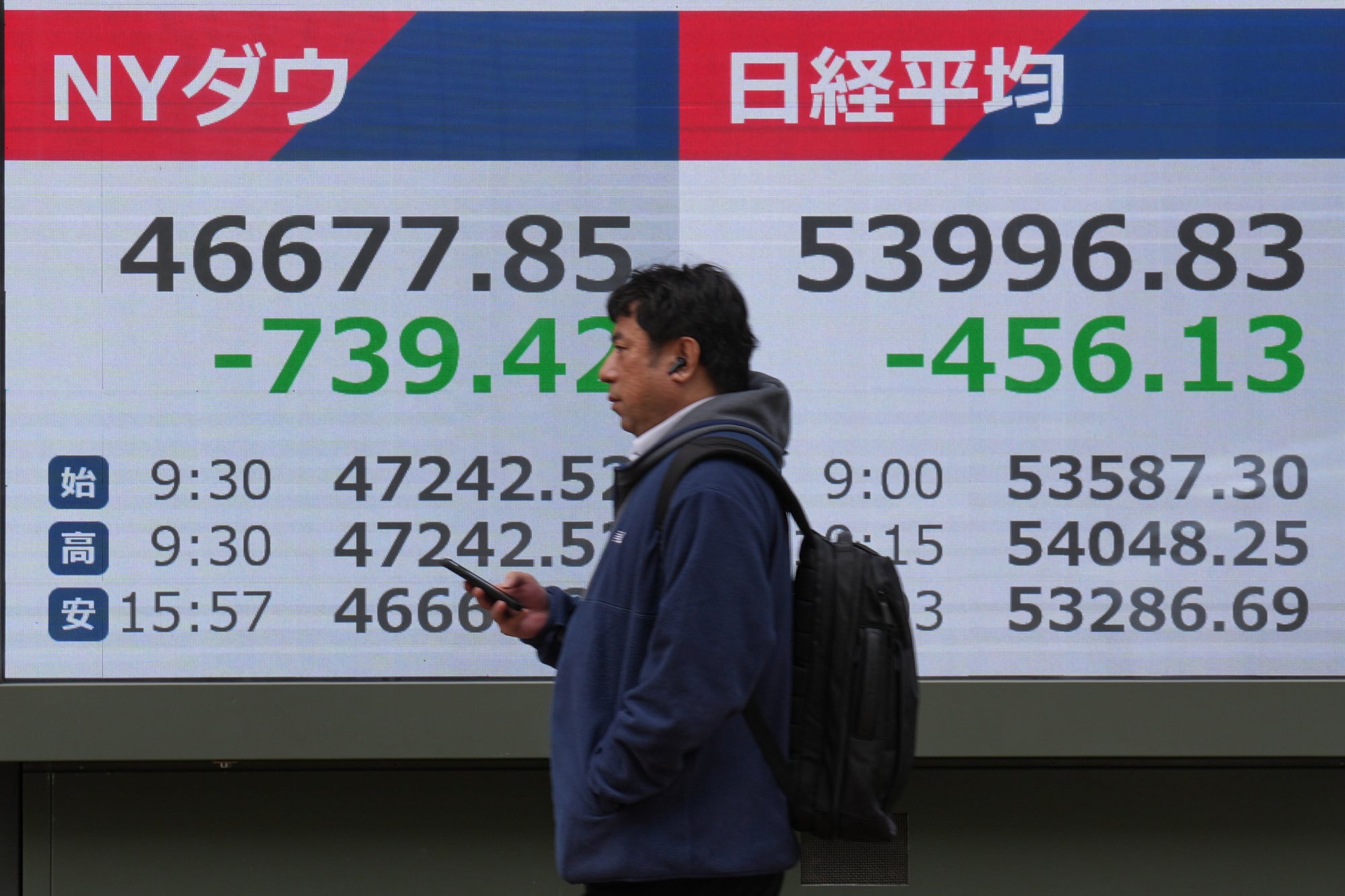
In a fierce response to the Middle East tensions, the Kospi plunged 12 per cent on March 4 in its biggest-ever decline, triggering a trading halt to cool panic selling.
“Japan and Korea are giant industrial engines that run on imported oil,” said Stephen Innes, a managing partner at SPI Asset Management. “When crude spikes it moves straight through the corporate bloodstream. Input costs surge, inflation expectations climb and earnings estimates get marked down faster than analysts can rewrite their notes. It is the macro equivalent of watching a tax get imposed on the entire economy overnight.”
With the US-Israel war with Iran entering its third week, no sign of a ceasefire has emerged. US President Donald Trump said American forces bombed military targets on Iran’s Kharg Island and warned attacks may expand to energy infrastructure if Tehran interfered with transit through the Strait of Hormuz.
While history showed Middle East tensions did not tend to last long, wild swings would dominate for now, according to BNP Paribas.
“We caveat our view with the acceptance that events continue to move fast and in a somewhat unpredictable manner,” said William Bratton, head of cash equity research for Asia-Pacific at the French bank. “It is this VUCA [volatility, uncertainty, complexity and ambiguity] which, in our view, is driving market sentiment.” -- SOUTH CHINA MORNING POST