US President Donald Trump said on Monday that US forces would press ahead with “ferocious, unyielding resolve” to “eliminate the intolerable threat posed by this sick and sinister regime” in Iran, while US Secretary of State Marco Rubio warned that “the hardest hits are yet to come”.
“We projected for four to five weeks, but we have the capability to go longer than that,” Trump said, adding: “We’re already substantially ahead of our time projection”.
In his speech on Monday at a White House ceremony, Trump appeared to respond to critics when he outlined the goals of “Operation Epic Fury” unleashed Saturday against Iran, along with America’s Middle East ally Israel.
“Our objectives are clear,” said the US leader, indicating that his country aims to destroy Iran's missile capabilities, annihilate its navy, “ensuring the world's number one sponsor of terror can never obtain a nuclear weapon”, and to make sure “the Iranian regime cannot continue to arm, fund and direct terrorist armies outside their border”.
Trump claimed that “this was our last best chance to strike” Iran.
The conflict between the US, Israel and Iran widened on Monday, its third day, as Iran launched retaliatory strikes against Israel and US bases and Gulf states following the death of Iranian Supreme leader Ayatollah Ali Khamenei, even as Israel struck Lebanon after attacks by Hezbollah.
Israel’s Prime Minister Benjamin Netanyahu said it would not be “an endless war”, telling Fox News it is “going to be a quick and decisive action”.
He later qualified that the conflict “may take some time, but it’s not going to take years”.
As security across the region deteriorated, the US State Department urged American citizens to leave all of the Middle East from Egypt eastward using available commercial transport.
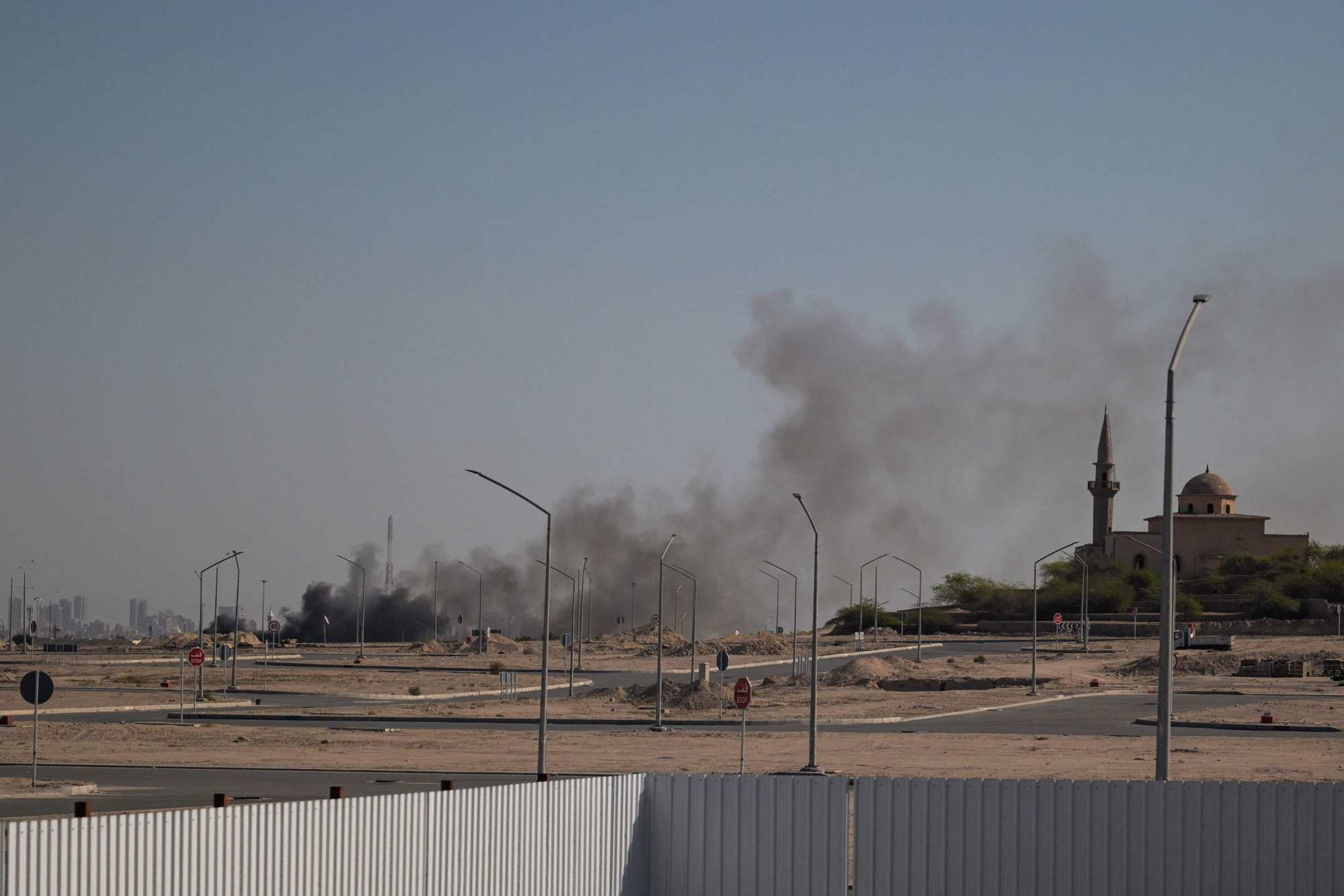
The volatility continued into Tuesday morning when two drones struck the US embassy in Riyadh, Saudi Arabia, sparking a small fire and forcing the mission to shutter. This followed a similar attack on Monday against the US embassy in Kuwait, which would remain closed until further notice “due to ongoing regional tensions”, according to an official statement on X.
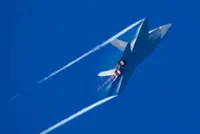
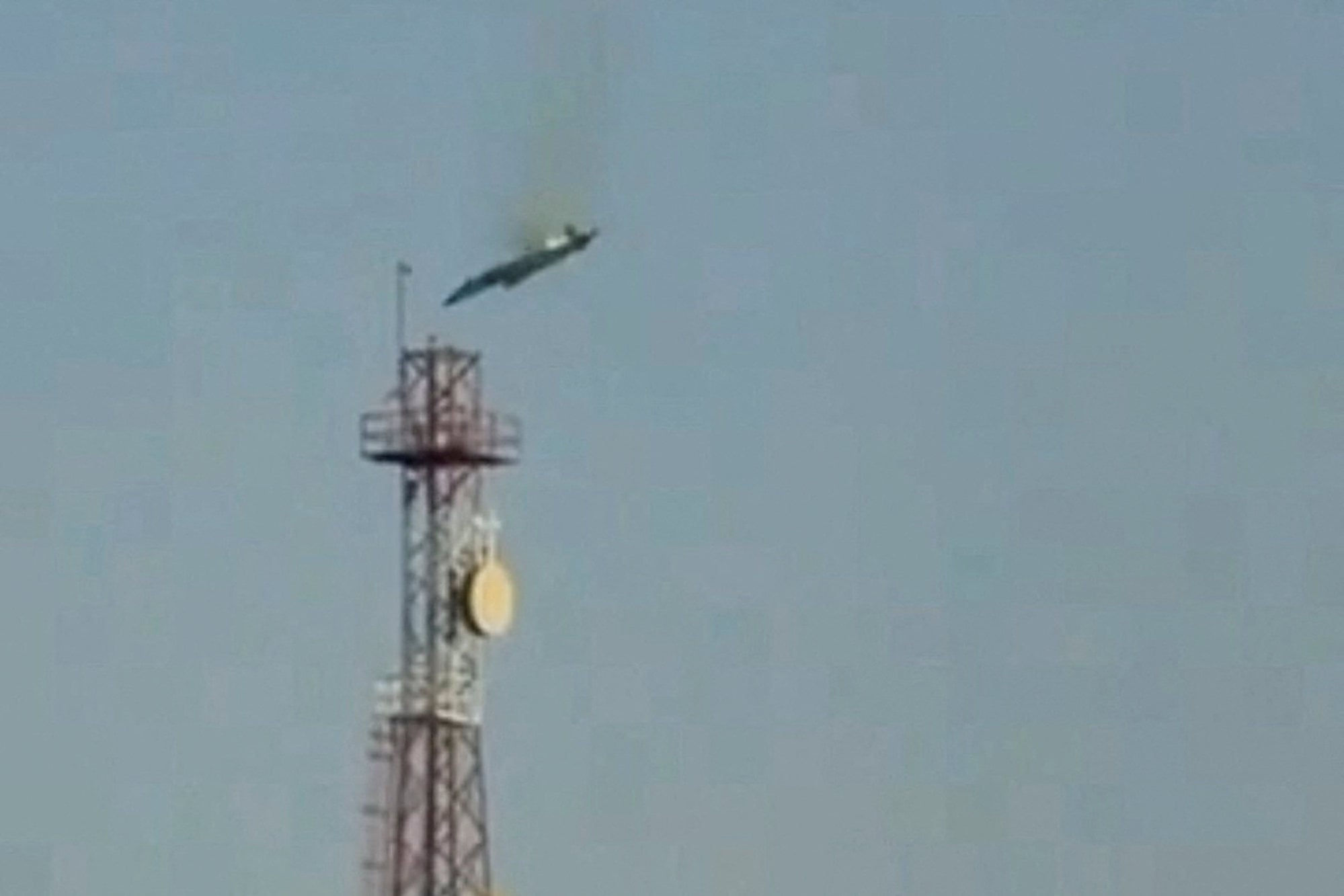
In other developments, three US F-15E Strike Eagle fighter jets went down, apparently due to friendly fire from ally Kuwait, though all six aircrew ejected safely.
Qatar said its air force shot down two Sukhoi Su-24 bombers - the first time a Gulf country has hit Iranian planes.
China’s Foreign Ministry confirmed that one Chinese citizen was killed in Tehran and urged others to evacuate as soon as possible.
‘The hardest hits are yet to come’
Rubio on Monday defended the administration’s decision to attack Iran right before meeting with intelligence leaders in Congress, known as the Gang of 8. In theory, Congress has the power to “declare war”, although this is a long-standing issue of constitutional debate and many presidents have failed to do so.
“It absolutely was an imminent threat,” Rubio said.
Asked if Washington was contacted by Tehran about negotiating, Rubio said “not at the moment” before warning that “the hardest hits are yet to come, the next phase will be even more punishing to Iran”.
He also said that the US is “not postured for ground forces, right now we are focusing on the destruction of their ballistic capabilities”.
“If we were to wait, we would have suffered more casualties, more pain,” Rubio said.
But in a separate briefing Monday, US Defence Secretary Pete Hegseth declined to rule out the use of ground troops.
Rubio insisted that “our mission and our focus is to destroy the ballistic capability", but added that the administration would not “be heartbroken” if the Iranian people overthrew their government.
“No matter who governs this country in a year, they won’t have ballistic missile capabilities,” said the top US diplomat.
Rubio added that the Trump administration would announce on Tuesday actions to contain higher energy prices caused by the operation in Iran. “We have a programme in place to mitigate against the impact,” he said.
A poll released on Monday by SSRS found that 59 per cent of the US respondents disapproved of the US military action against Iran, 60 per cent did not think Trump had a clear post-attack plan and 62 per cent said he should get congressional approval for further military action.
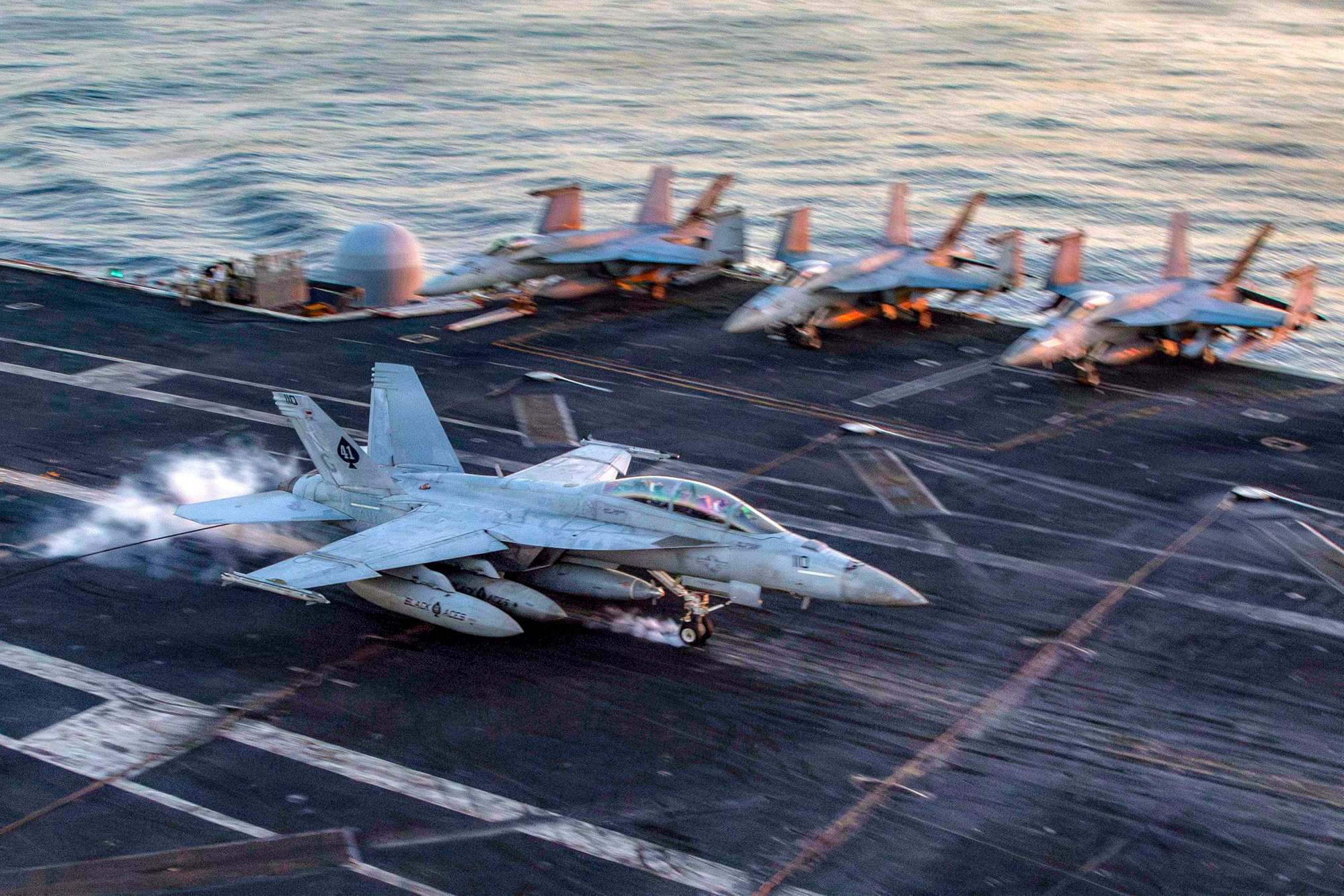
Earlier on Monday, the Pentagon announced that the US was mobilising more forces to the Middle East to support the operation against Iran.
“This is not a so-called regime change war, but the regime sure did change, and the world is better off for it,” said Hegseth.
“This is not Iraq,” he added. “This is not endless.”
The conflict has resulted in at least 555 people killed in Iran, along with nine Israeli civilians and three civilians in the United Arab Emirates. Dozens have also been reported killed in Lebanon.
The US Central Command confirmed on Monday afternoon that the death toll for US personnel had increased to six.
“US forces recently recovered the remains of two previously unaccounted for service members from a facility that was struck during Iran’s initial attacks in the region,” CENTCOM said in a post on X.
Iran has responded since Saturday with targeted strikes on Israel and US bases in Bahrain, Qatar, the UAE, Kuwait and Jordan.
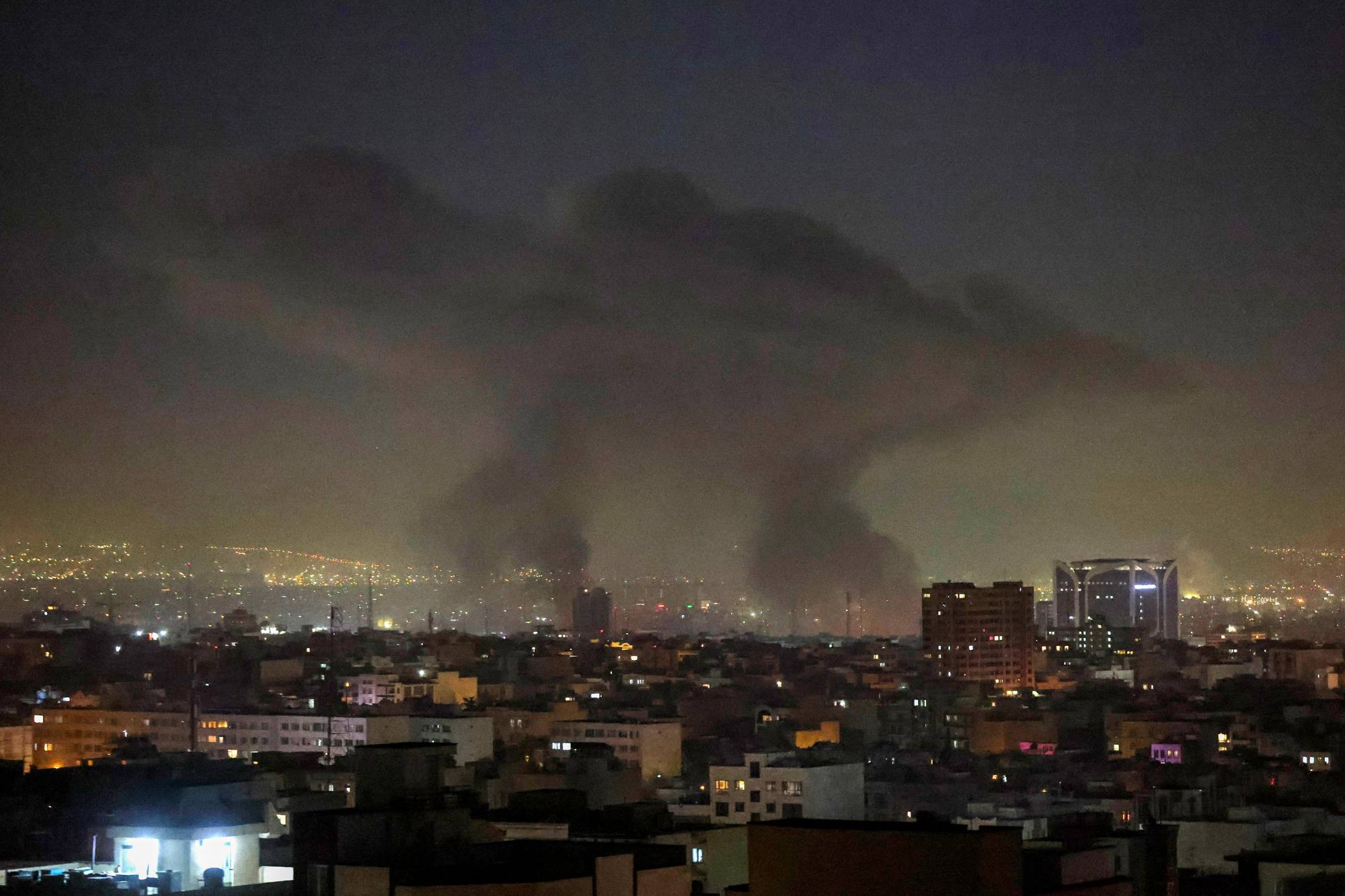
Iranian media reported on Monday the death of Khamenei's wife, Mansoureh Khojasteh Bagherzadeh, who, according to sources, was wounded during Saturday’s attack on her husband's compound. It also said two explosions had occurred near the headquarters of state broadcaster IRIB.
Britain, a long-standing US ally, did not take part in the initial strikes on Iran carried out by the US and Israel. On Sunday, London said it would permit the “limited” use of its bases, a move that drew public criticism from Trump.
“We were not involved in the initial strikes against Iran, and we will not join offensive action now,” Prime Minister Keir Starmer told Parliament on Monday.
“But in the face of Iran’s barrage of missiles and drones, we will protect our people in the region.”
The US leader said that Washington did not know who Iran’s new leader would be following the death of Khamenei.
“Maybe they’ll get lucky and get someone who knows what they’re doing,” he added.
On Sunday, Trump said the military campaign would continue “until all of our objectives are achieved”, but did not elaborate on what those are.
In a split-screen development, US first lady Melania Trump presided over a meeting of the United Nations Security Council (UNSC) on “Children, technology and education in conflict” in New York on Monday.
The US assumed the rotating presidency of the UNSC in March. “I hope soon peace will be yours,” the first lady said.
Amir-Saeid Iravani, Iran’s ambassador to the UN, called it “deeply shameful and hypocritical” of Washington to convene a meeting on children while, he claimed, the US and Israel were “deliberately targeting civilians and civilian infrastructure”.
Iranian state media reported earlier that 165 children were among those killed in a strike that hit a girls’ primary school in Minab in southern Iran on Saturday.
Energy prices surge as war disrupts oil supply
Oil prices surged on Monday as disruptions to tanker traffic through the Strait of Hormuz heightened uncertainty over how US and Israeli strikes on Iran could affect global energy supplies.
Roughly a fifth of the world’s oil consumption passes through the narrow waterway, making it one of the most critical chokepoints in global trade.
Data indicates that tanker traffic in the area has diminished significantly. The UK Maritime Trade Operations Centre reported attacks on several vessels on both sides of the strait.
Also, market intelligence report firm Kpler said there were confirmed signs of “GNSS spoofing, the deliberate manipulation of satellite navigation signals”.
“Ships can’t trust where they are, so many are choosing not to go at all. The result: a sharp drop in vessel traffic through the Strait of Hormuz,” indicated Kpler on a social media post showing changes in maritime traffic in the area.
US crude jumped 6.28 per cent to close at US$71.23 a barrel, while Brent, the international benchmark, climbed 6.68 per cent to US$77.74.
In Europe, natural gas futures soared more than 40 per cent after Qatar – a major liquefied natural gas supplier – halted production amid reports of Iranian attacks on its facilities.
Regional airports cautiously resume operations
Military operations in the Middle East have thrown global air travel into disarray, stranding passengers and forcing airlines to cancel or reroute flights across the region.
Israel’s main international gateway, Ben Gurion Airport near Tel Aviv, said on its official WhatsApp channel that it could reopen as early as Monday evening in an “extremely limited format” after Israeli airspace was shut amid the conflict with Iran.
The airport added that flight operations are expected to expand gradually from Tuesday, depending on the security situation. For now, only Israeli carriers are likely to resume service.
Elsewhere in the region, long-haul carriers Etihad Airways and Emirates announced they have begun a limited resumption of flights after halting operations during the fighting.
Airlines based in Abu Dhabi and Dubai urged passengers to travel to the airport only if they had been contacted by the airline. -- SOUTH CHINA MORNING POST