
A man from central China discovered gold while slaughtering a duck, an unusual find that echoes ancient gold rush practices.
In February, a villager surnamed Liu from Longhui county, Hunan province, discovered the gold particles in a duck’s stomach.
After a burning test, the particles were confirmed to be genuine gold, weighing around 10g and valued at nearly 12,000 yuan (US$1,800), the mainland media outlet Xinwenfang reported.
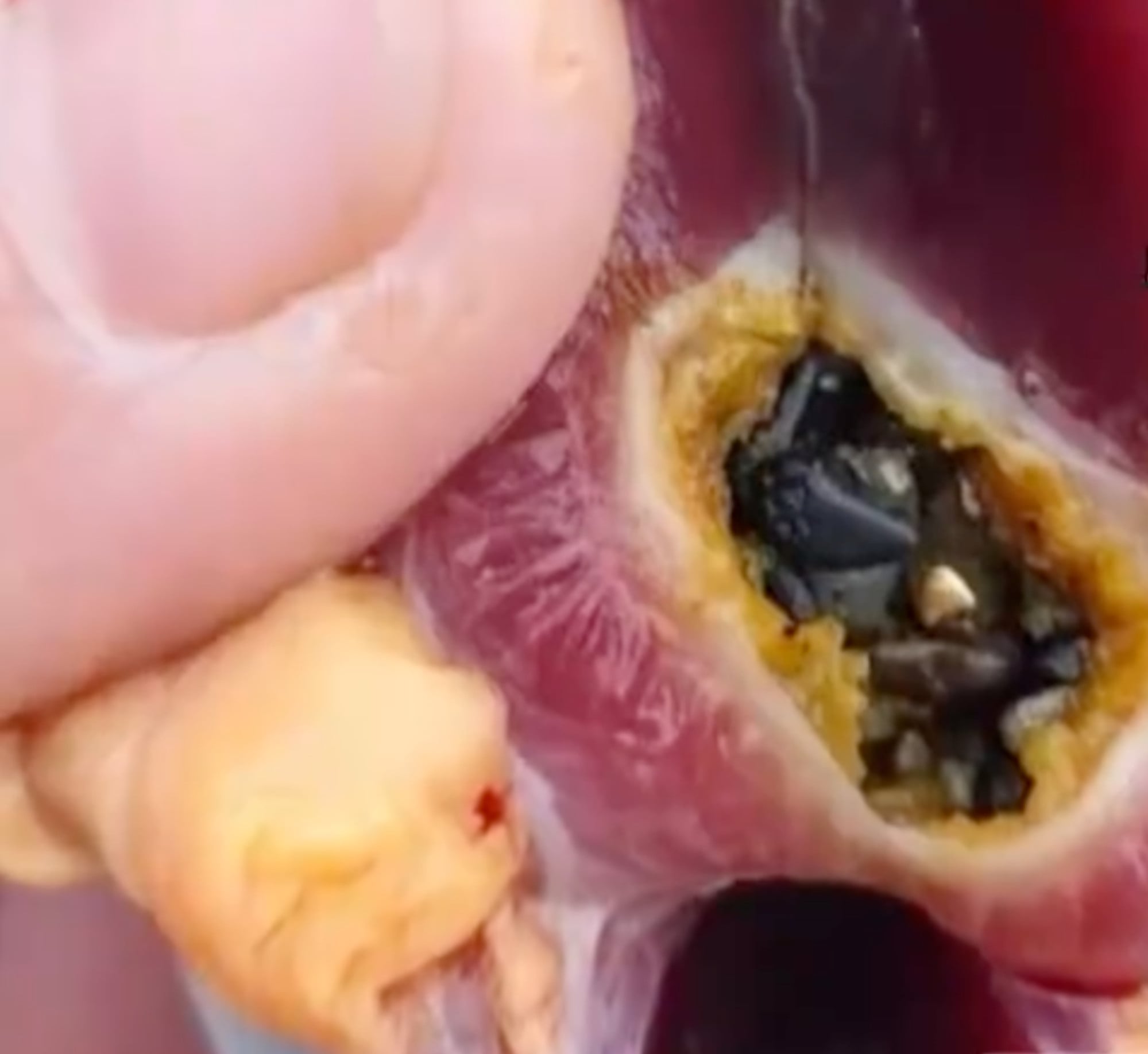
Liu’s father saw it as a sign of good luck for the year ahead.
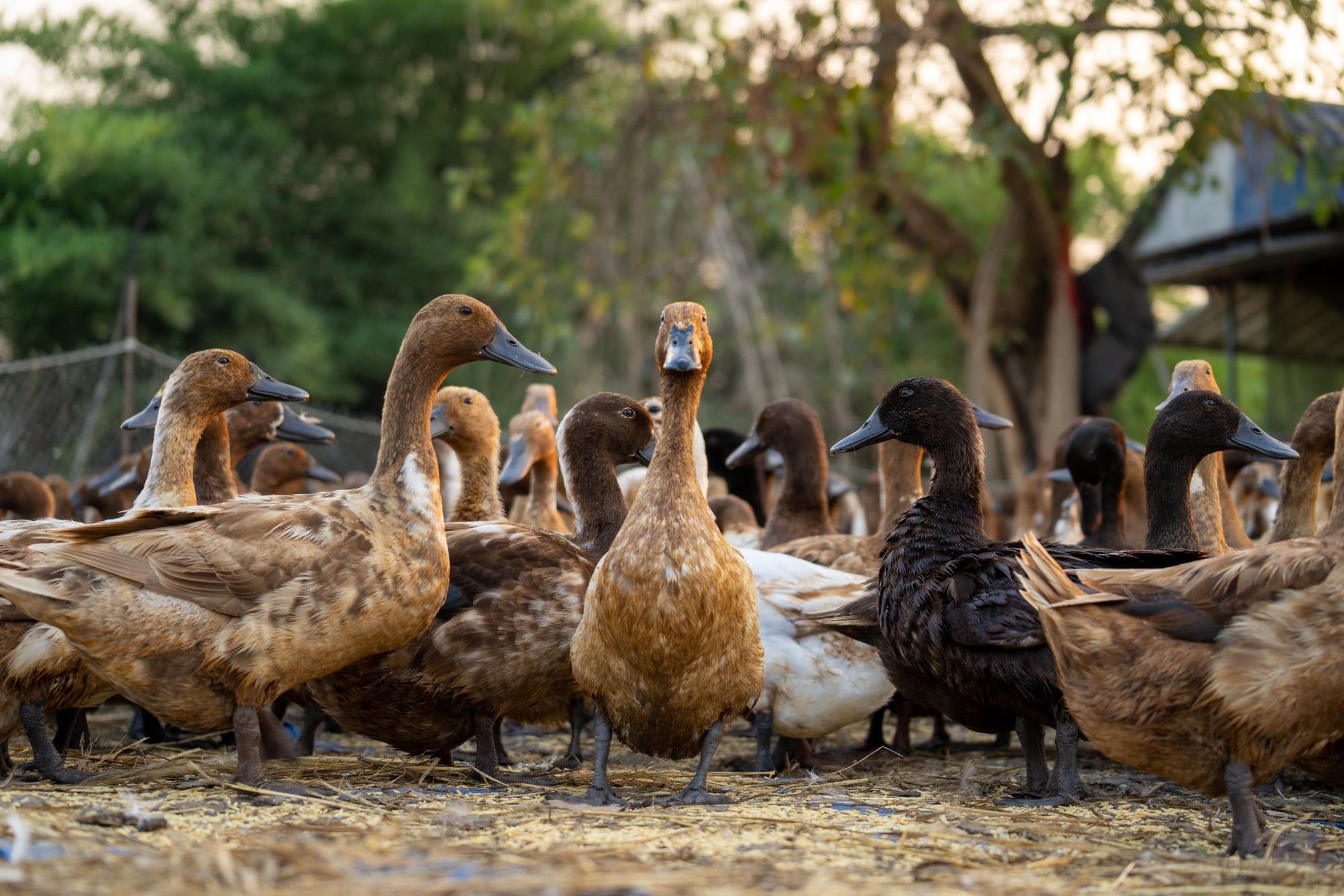
Liu said the ducks, raised free-range near a river once known for gold mining, likely swallowed mud containing gold particles.
The body cannot digest or absorb gold; it typically passes through the digestive system without harm.
However, larger or impure gold pieces could still cause issues like intestinal blockages or poisoning in both animals and humans.
Liu’s discovery is not unique.
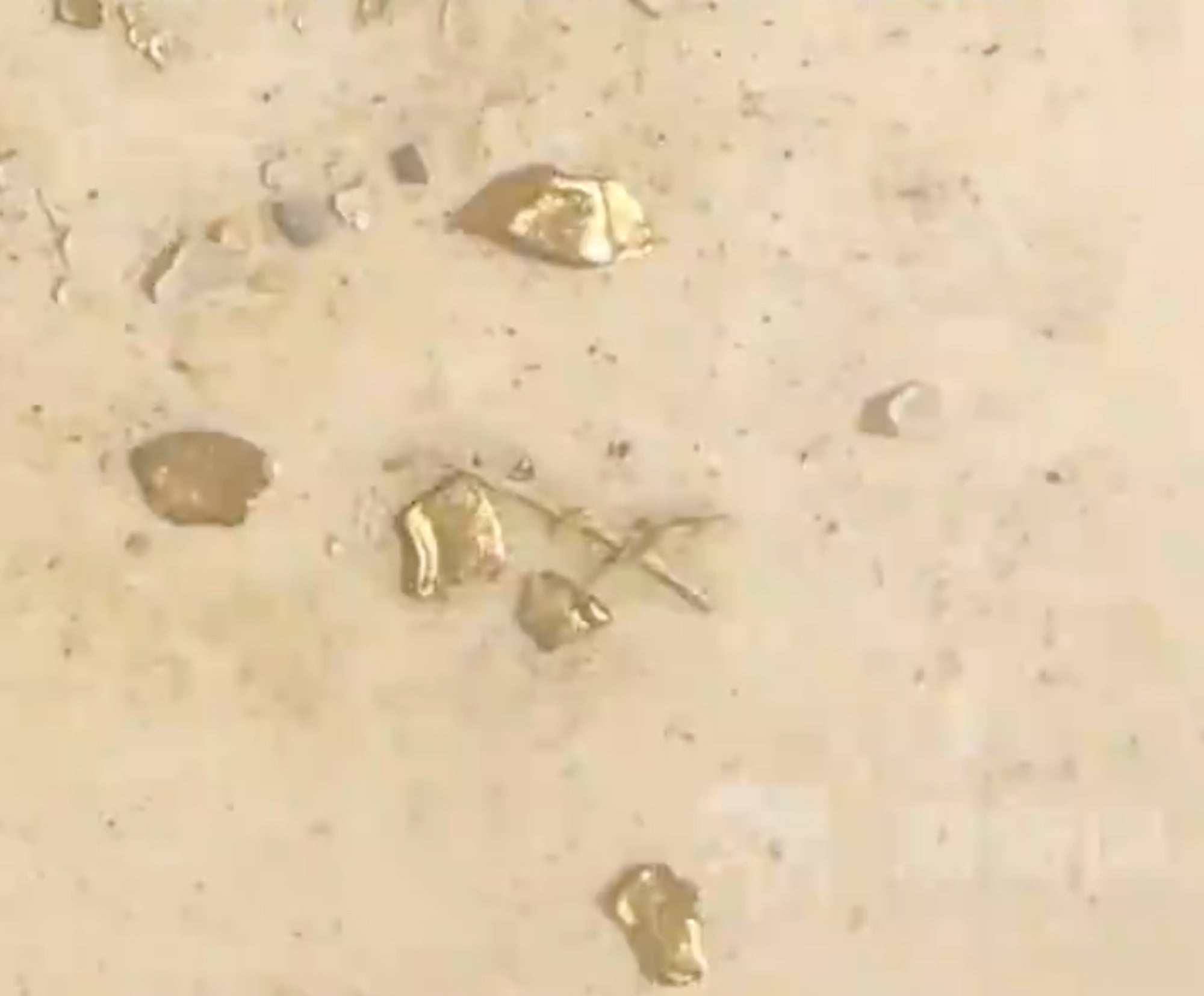
He said other villagers had found gold in ducks before, but none found as much as he did.
Some netizens have questioned the authenticity of the incident.
The Longhui County Natural Resources Bureau told Jiupai News that further verification by a professional institution is needed to confirm whether the particles are gold.
Staff explained that such discoveries are possible, noting that villagers found more than 10g of gold while washing sand by the same river last year.
The county’s Chenshui River runs north to south and was once a site where gold was discovered.
From the 1970s to the 1990s, the river sparked a local gold rush until the government later banned private gold mining.
Under Chinese law, all underground resources, including minerals and cultural relics, belong to the state.
Authorities told The Paper that determining the ownership of the gold found in the duck is difficult.
Liu’s rare discovery also brings to mind a practice from the Tang dynasty (618–907), when farmers would collect gold particles from the faeces of ducks and geese.
The incident has gone viral on mainland social media, with the topic racking up over 10 million views.
One online user quipped: “I need to know the exact location of this river within a day. I want to raise 1,000 ducks there.”
Another said: “This is not just any duck; it must be repaying Liu’s family.”
“The lives of the other ducks are in danger,” added a third.
As of March, the price of gold in China ranged from 1,140 yuan to 1,190 yuan (US$165 to US$172) per gram.
Amid economic uncertainty, more Chinese families are turning to gold as a secure asset.
Some white-collar workers are channelling their savings into gold-linked investment funds, while younger people are opting for affordable and innovative gold products.
During the Spring Festival, a woman in Chengdu in Western China transformed 6g of gold jewellery into stunning golden nail art. -- SOUTH CHINA MORNING POST