JAKARTA: Indonesia and the United States signed a trade pact on Thursday (Feb 19), finalising a tariff of 19 per cent on most Indonesian exports to the US, as well as a pledge for the South-East Asian country to purchase about US$33 billion worth of American goods.
Indonesian textile exports - up to a volume to be decided - are set to receive a zero per cent levy, which Coordinating Minister for Economic Affairs Airlangga Hartarto touted as a coup for the four million Indonesian workers in the textiles industry.
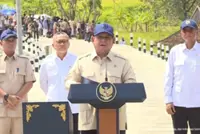
“Access to the US market is good, as Indonesia is planning to expand textile industry exports from around US$4 billion to US$40 billion in the next 10 years,” Airlangga said at a press conference after the deal-signing in Washington DC on Feb 19.
Besides textiles, more than 1,800 other commodities, including Indonesian palm oil, coffee, chocolate, spices, rubber and electrical components, would also be exempted from tariffs, he said.
In exchange, Indonesia has pledged to purchase US$15 billion of US energy commodities, including US$7 billion in refined petroleum, as well as US$13.5 billion of commercial aircraft and aviation-related goods and services, and also US$4.5 billion of US agricultural products.
The commitment to buy more fuel from the US is significant for Singapore, which has been Indonesia’s largest supplier of refined petroleum since at least 2017.
The agreement comes after months of negotiations, following US President Donald Trump’s issuance of the so-called “Liberation Day” tariffs in April 2025, which had initially raised tariffs on Indonesia to 32 per cent.
Indonesia has also set zero per cent tariffs on imports of US agricultural goods, including soya beans and wheat, which are essential raw materials for Indonesian foodstuffs such as tofu, tempeh and noodles. Airlangga said this would benefit Indonesian consumers and reduce the potential for food price inflation.
As expected, Indonesia has also committed to removing non-tariff barriers on US goods, including a requirement to have locally made parts in foreign products.
The Straits Times had previously reported that US had sought “a commitment from Indonesia to readjust its South China Sea policy” and to buy US drones, which Indonesian officials had balked at. These clauses were not included in the final trade agreement.
However, the agreement did include an article requiring Indonesia to “communicate with the United States before entering into a new digital trade agreement with another country that jeopardises essential US interests”.
An Indonesia government source had previously told ST the country was trying to avoid this clause, as it would “constrain Indonesia’s foreign cooperation”.
Coordinating Ministry for Economic Affairs spokesperson Haryo Limanseto did not immediately respond to ST’s requests for comment on this matter.
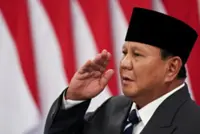
The signing of the trade deal was part of Indonesian President Prabowo Subianto’s latest visit to the US, which started on Tuesday. Besides the signing, Subianto also attended a US Chamber of Commerce dinner, as well as the inaugural meeting of the Board of Peace, which was started by Trump to address the situation in Gaza.
During the dinner, which was held on Feb 18, Indonesian and US companies signed deals worth US$38.4 billion for partnerships in mining, energy, agribusiness, textiles, furniture and technology.
At the dinner, Subianto reiterated his desire for Indonesia to have a close relationship with the US.
“I think today my visit here, my support of the US-Indonesia partnership, is evidence of our commitment that we want to see a strong American presence in Indonesia,” he said.
“We’ve always tried to convince the United States of America that Indonesia is a true friend.”
A joint statement published on the White House’s website on Feb 19 used similarly glowing terms. President Trump and President Subianto called the agreement “historic” and described it as a start of a “NEW GOLDEN AGE” for the US-Indonesian alliance.
Airlangga echoed the sentiment in the post-deal press conference, describing it as “win-win”.
He said the deal “benefits the Indonesian people as well as the US people, because we would like to achieve a golden era for both countries”. - The Straits Times/ANN