
BEIJING: Amid the firecrackers and festive cheer, China’s young generation is redefining the Chinese Spring Festival with a “Cyber Lunar New Year”, blending hi-tech with spiritual pragmatism.
From burning digital incense on their smartphones to exchanging electronic New Year’s goods and finding emotional comfort in the arms of artificial intelligence (AI) companions, young people are reshaping traditions in their own virtual way.
Cyber worship
The Lunar New Year is traditionally a time for visiting temples to pray for good fortune, but for the burned-out youth of 2026, such rituals have gone virtual.
Amid the rising trend of “cyber worshipping”, young viewers are flocking to live-streams filled with incense smoke, flickering lanterns and solemn Buddha statues, drawn in by the calming atmosphere.
Some apps have also embraced the trend, such as electronic wooden fish simulators that offer auto and manual tapping modes and help users relieve stress and relax their minds.
Also, online temple websites promote virtual worship services like “online incense offering and Buddha worship”, claiming to be a devout and eco-friendly alternative that spares worshippers the hassle of travelling to a physical temple.
With modest prices, 5.9 yuan (9 US cents) to burn a stick of incense, and 9.9 yuan (US$1.50) to light a blessing lamp, these platforms continue to attract a steady stream of paying users.
According to one such platform, it has already drawn 891,500 users, who have collectively tied 1.23 million prayer ribbons on cyber wishing trees and lit 539,800 peace lamps in the digital world.
AI companions
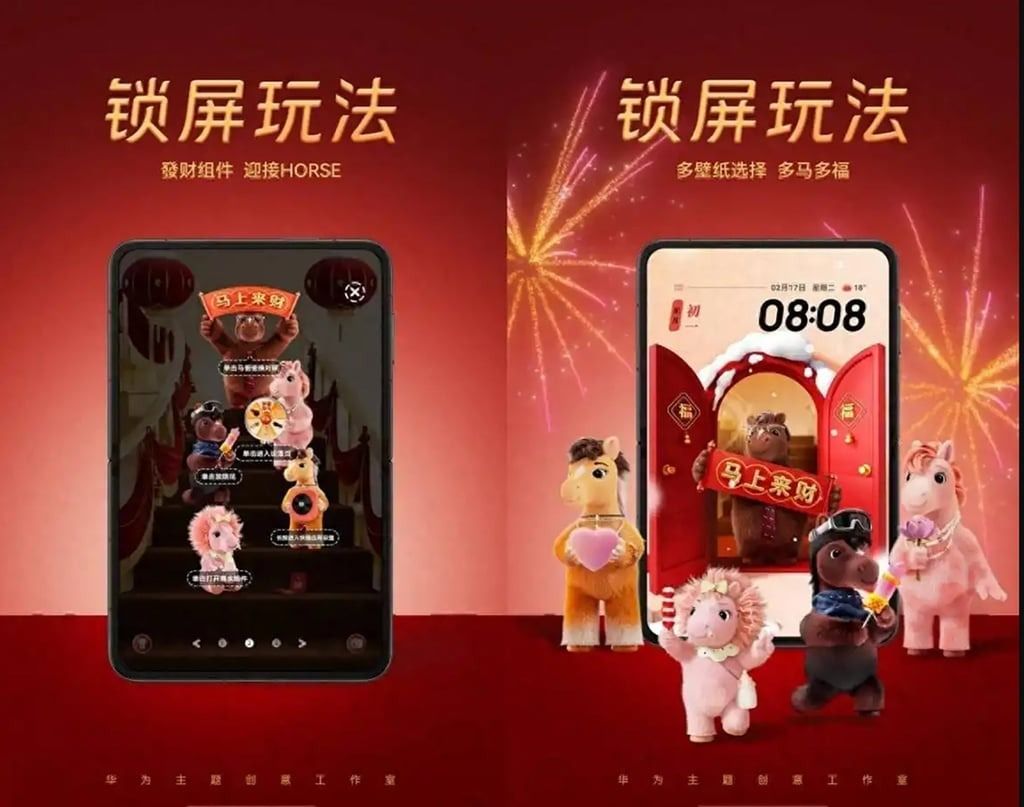
While digital Buddhas offer luck, AI characters are becoming a shelter for loneliness.
For many young Chinese living in big cities, the pressure of the “social clock”, such as questions about marriage, income and careers during the holiday, triggers what is known as “New Year social phobia”.
To cope, many are staying away from their hometowns and turning to AI companionship and digital rituals as emotional painkillers during the holiday.
While AI has not replaced real-world relationships, it has opened a new channel for comfort and connection.
Su Ran, a young woman spending Lunar New Year alone in her chilly Beijing rented home, said that she did not find warmth in her family phone call, but in the comic AI character on her phone.
“It eased my pre – Lunar New Year anxiety,” she said. “In my rental flat, the heating radiator was not warm enough and cold air always slipped in through the window cracks. Sometimes, just seeing that character on my screen made the room feel a little less cold.”
Electronic shopping
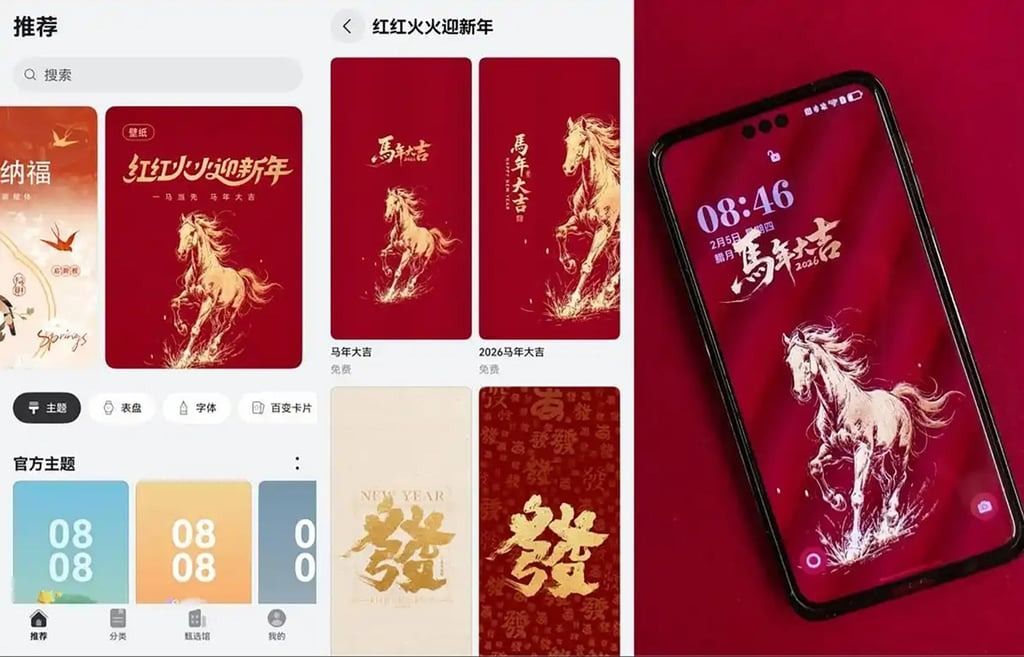
While the older generation still bustles through local markets and supermarkets buying traditional New Year goods like fruit, nuts and sweets, the younger generation’s shopping trolleys are quietly filling up with digital New Year goods.
These modern festival items include music and video memberships, phone wallpapers, game skins and virtual lai see covers.
“Some people think physical gifts feel more ceremonial, but I actually find it hard to guess what others really want. Digital gifts are more creative,” said a young woman born in 2002, surnamed Yang.
Shi Yu, a former psychiatrist at the Third Medical Center of Chinese People’s Liberation Army General Hospital and a certified counsellor, said that while traditional physical gifts carry a sense of weight and ritual, they can also be a burden.
“Food gifts, in particular, often lead to duplication, storage issues and anxiety about expiration dates. Digital New Year gifts, however, perfectly align with the evolving needs of young people,” said Shi.
“They eliminate the hassle of physical shopping while still offering a festive atmosphere. For those celebrating the New Year away from home, digital gifts help bridge the distance. They allow for personalisation, reflect individual taste and easily create that feeling of ‘we really get each other’.” -- SOUTH CHINA MORNING POST