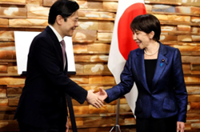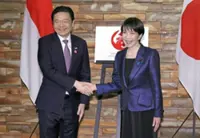
It was a big day for politics in Asia, with elections in both Japan and Thailand.
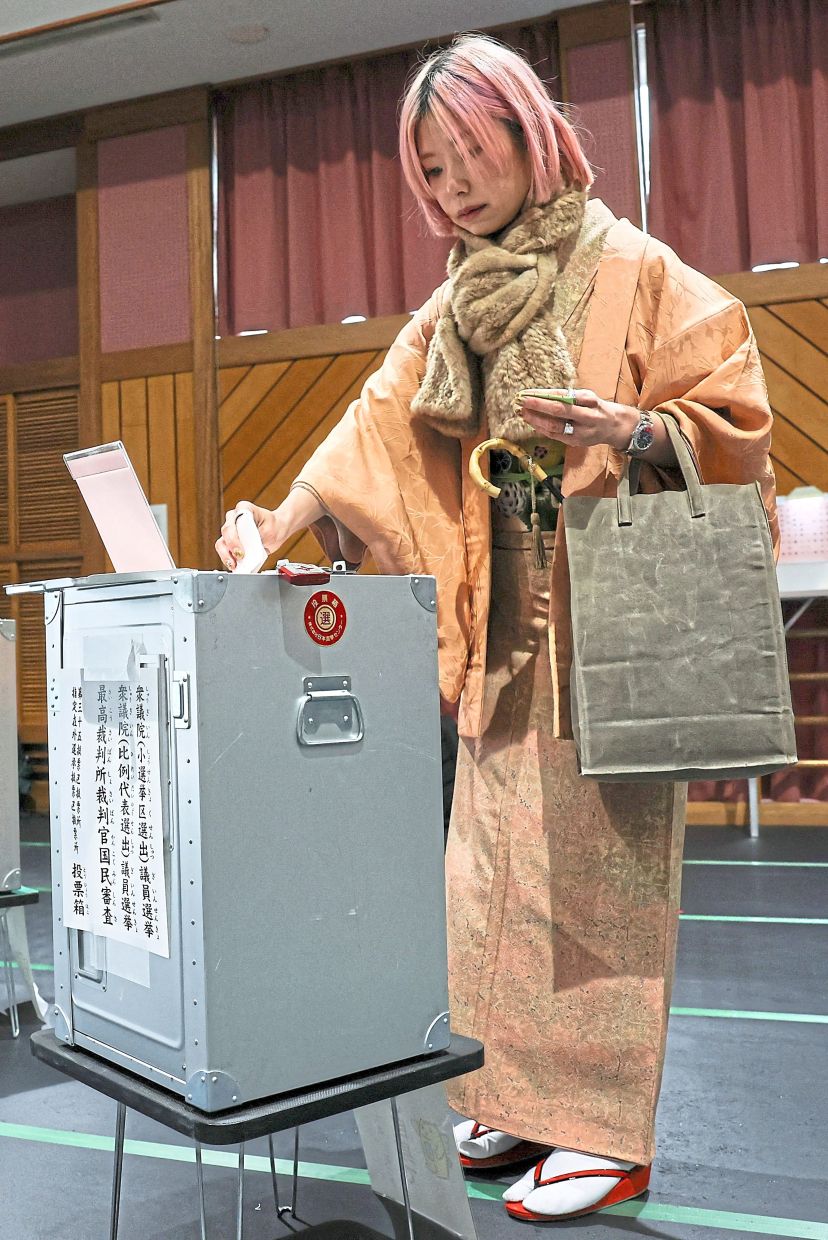
In Japan, voters cast their ballots in a parliamentary election predicted to hand Prime Minister Sanae Takaichi a much bigger majority than the razor-thin one her conservative coalition had been defending.
However, record snowfall in some parts of the country threatened to depress turnout.
Takaichi, Japan’s first female leader, called the early election to try to ride a wave of personal popularity and win a mandate for her policies.
Multiple opinion polls had indicated that her coalition was on track to win around 300 of the 465 seats in the lower house of parliament, a large gain from its previous 233.
Takaichi has accelerated military spending to counter China, angering Beijing, and pushed for a sales-tax cut that has rattled financial markets.
Investors remained concerned about how the nation with the heaviest debt burden among advanced economies will fund the plan.
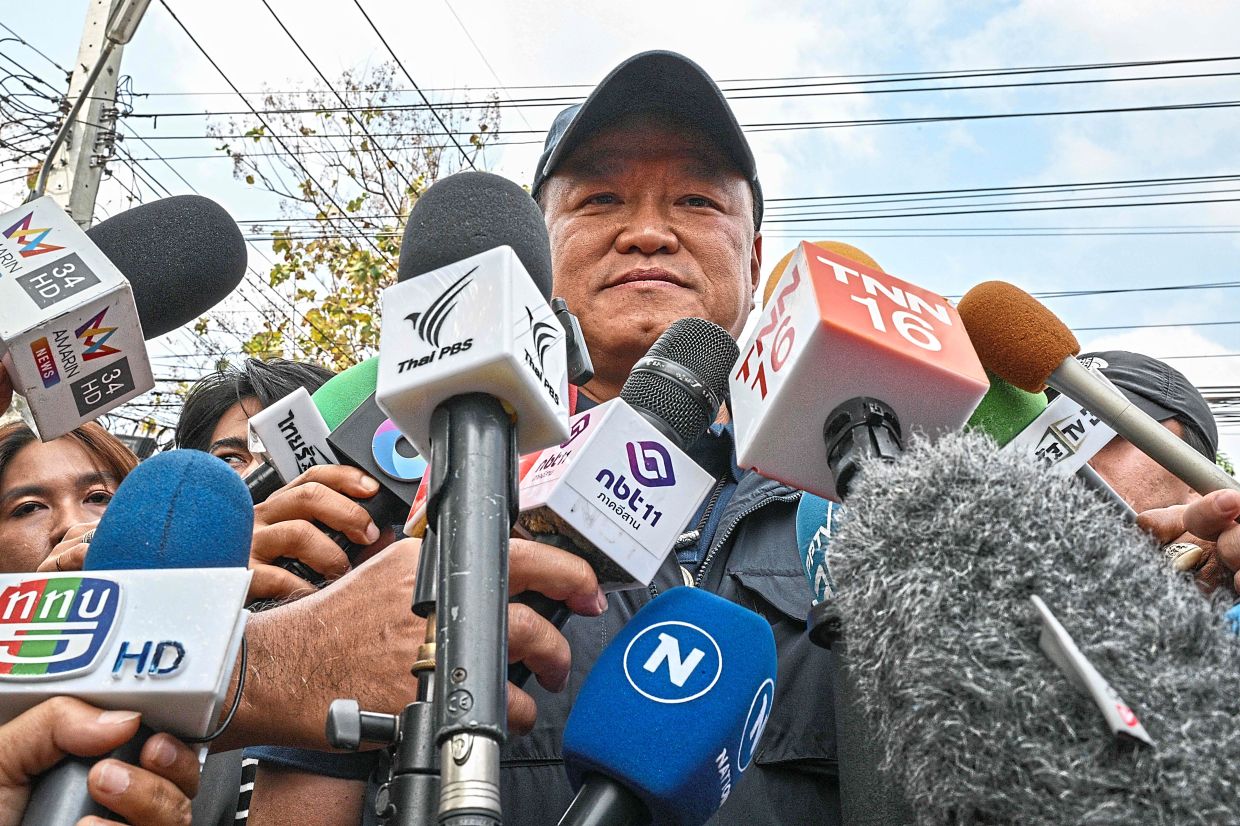
Thailand’s election was a three-way battle between the country’s conservative, progressive and populist camps.
No single party was expected to secure a clear majority, prolonging the risk of political instability.
Prime Minister Anutin Charnvirakul set the stage for the snap election in mid-December, amid a raging border conflict between Thailand and Cambodia, in what analysts said was a move timed by the conservative leader to cash in on surging nationalism.
At that point, he had been in power for less than 100 days, taking over after the ouster of premier Paetongtarn Shinawatra of the populist Pheu Thai party over the Cambodian crisis.
Paetongtarn is the daughter of billionaire former prime minister Thaksin Shinawatra, who himself was sent to jail just days after her removal.
Despite that, Pheu Thai was “down but not out” heading into the vote, according to surveys.
But it was the progressive People’s Party, with its message of structural change and reforms, that had consistently led polls.
This long-standing tussle between the powerful royalist-conservative establishment and popular democratic movements has created prolonged periods of uncertainty, punctuated by street protests, bouts of violence and military coups. — Reuters