PHNOM PENH: The harrowing reports from December 2025 – of airstrikes penetrating 167 kilometres into our territory and the tragic loss of civilian lives in Banteay Meanchey and Siem Reap provinces – have reopened wounds that many hoped had healed since 1941.
As the smoke clears and the diplomatic machinery begins to turn toward the International Court of Justice (ICJ), a harsh reality remains: International law is a marathon, but modern aggression is a sprint.
History has shown us that the ICJ, while a vital pillar of global order, operates on a timeline that favours the patient, not the besieged. In 1962, Cambodia’s victory over Preah Vihear Temple took three agonising years of legal manoeuvring.
In 2013, the clarification of the 1962 ruling took another two and a half years. During these “legal silences”, the cost is always paid in Cambodian blood and displaced families.
Critics are right to point out that the court is a “shield of paper”. It is legally binding on parchment, but it possesses no boots on the ground to stop a fighter jet in mid-flight.
When a neighbour chooses to ignore established 1907 treaties or 1962 rulings, a court order three years from now does little to protect a schoolhouse today.
So, what must Cambodia do while the judges deliberate?
First, we must recognise that sovereignty is lived, not just argued. The government’s continued push to develop “border communes” is our strongest defence.
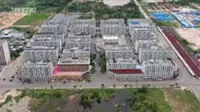
By building schools, hospitals and resilient infrastructure in provinces like Oddar Meanchey and Preah Vihear, we turn “disputed zones” into thriving Cambodian heartlands. A populated border is much harder to erase than a line on a map.
Second, Cambodia must pursue “Asymmetric Diplomacy”. We may not match a larger neighbour's military budget, but we can outpace them in the court of global opinion.
In 2026, every drone image of a destroyed civilian building and every testimony from a grieving mother must be broadcast globally in real-time. We must make the reputational cost of aggression so high that no amount of regional power can justify it.
Third, the events of late 2025 prove that economic self-reliance is a national security requirement. When borders close, our markets should not starve.
Diversifying trade through our southern corridors and boosting domestic production ensures that our “shield of paper” is backed by a “stomach of iron”.
Finally, we must maintain our commitment to the ICJ, but with our eyes wide open. We use the law to define our rights, but we use our national unity and modern defence capabilities to protect them.
The lesson of 1941 and 2025 is clear: International law provides the map, but only the Cambodian people can hold the ground.
As we move through 2026, let us not just wait for a verdict from The Hague. Let us build a nation so resilient that no verdict is ever needed to prove we belong here. - The Phnom Penh Post/ANN
Vichana Sar is a researcher in digital governance and geopolitical trends based in Phnom Penh. The views expressed are his own.