JAKARTA: President Prabowo Subianto’s aspiration to expand palm oil plantations in Papua for biofuel production has drawn strong backlash from environmentalists, who warn the policy risks repeating the ecological disasters already unfolding in Sumatra.
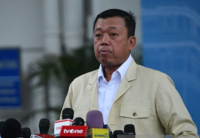
Prabowo made the remarks during a meeting with Papuan regional leaders in Jakarta on Tuesday (Dec 16), stressing that the country’s easternmost region must achieve self-sufficiency in strategic sectors, including food and energy.
“We hope Papua can be planted with oil palm so it can produce fuel from palm oil,” he said, adding that sugarcane and cassava could also be developed as part of efforts to achieve energy self-sufficiency within the next five years.
The President claimed that producing alternative energy, including from palm oil, cassava, sugarcane, solar and hydropower could save the state hundreds of trillions of rupiah currently spent on fuel subsidies and imports.
Annual fuel imports, which have reached Rp 520 trillion (US$31.77 billion), could be reduced by half or even eliminated, with the savings reallocated to regional governments, he added.
“The potential exists, the plans are in place and we will prove it.”
The remarks came amid heightened scrutiny of extractive industries, including palm oil, over their alleged role in worsening floods and landslides in Aceh, North and West Sumatra last month, which have claimed over 1,000 lives and displaced hundreds of thousands.
Environmental organizations attributed the severe toll to large-scale deforestation and lacklustre enforcement of environmental regulations.
The Indonesian Forum for the Environment (Walhi) noted that 1.4 million hectares of forest cover had been cleared across the three provinces between 2016 and 2025 to make way for businesses such as plantations and mining.
Critics warn that Papua could face similar ecological and social crises if palm oil expansion proceeds unchecked, noting that large-scale clearing in Papua threatens not only the environment but also local communities who depend on the forests for their livelihoods.
Environmental group Sawit Watch reported that Papua’s oil palm plantations are already approaching their ecological limit, covering approximately 290,600 ha, just below the estimated maximum of 290,800 ha.
Observing a similar trend nationwide, the group urged the government to impose a moratorium of further expansion.
“The ecological disasters in Sumatra are a stark warning. Expanding palm oil in Papua would be a disaster in the making”.
Walhi criticised Prabowo’s remarks, saying they showed a lack of compassion and empathy for communities in Sumatra who are still suffering from recent disasters and little political will to address longstanding failures in forest governance.
Walhi campaign head Uli Arta Siagian warned that palm oil expansion would worsen the climate crisis through continued deforestation, citing Merauke in West Papua, where the national strategic project (PSN) of food estate has been linked to recurring floods and loss of local food sources.
“If large-scale forest clearing for palm oil in Sumatra is repeated in Papua, the region will face the same fate now experienced by people in Aceh, North Sumatra and West Sumatra,” Uli said.
Greenpeace Indonesia forest campaign team head Arie Rompas echoed the warning.
“Land clearing, regardless of the commodity, inevitably increases flood and landslide risks, even in Papua, where forests remain relatively intact,” he told The Jakarta Post, Wednesday.
Arie pointed out that floods and landslides have already occurred in parts of Papua that underwent land conversion, citing the 2019 Sentani floods, which environmental groups linked to deforestation in the nearby Cyclops Mountains.
“If Prabowo pushes for palm oil expansion, the same will happen,” he said. “It will only be a matter of time.”
Beyond environmental impacts, palm oil plantations have also harmed local communities, contributing to indigenous community displacement and labor exploitation in Papua, according to a 2025 report by indigenous advocacy group Pusaka Bentala Rakyat.
Researcher Sutami Amin said the industry had delivered minimal economic benefits, as plantations operate on the island while most processing occurs elsewhere.
“There is no history of oil palm plantations in Papua that has not left behind problems, from land grabbing and deforestation to labour abuses, disruption of local food systems, ecological degradation and failure to deliver the regional development that was promised,” he said. - The Jakarta Post/ANN