
An elderly son in eastern China followed local customs by lying on his late mother’s bed to comfort her soul, only to contract a severe disease.
According to the mainland media outlet, Hongxing News, the man surnamed Chen, who is in his 60s and from a remote rural area in Zhejiang province, is an only child.
His mother, 86, had been in good health and worked in the fields everyday.
However, following this year’s Mid-Autumn Festival, she died unexpectedly after a bout of diarrhoea and vomiting.

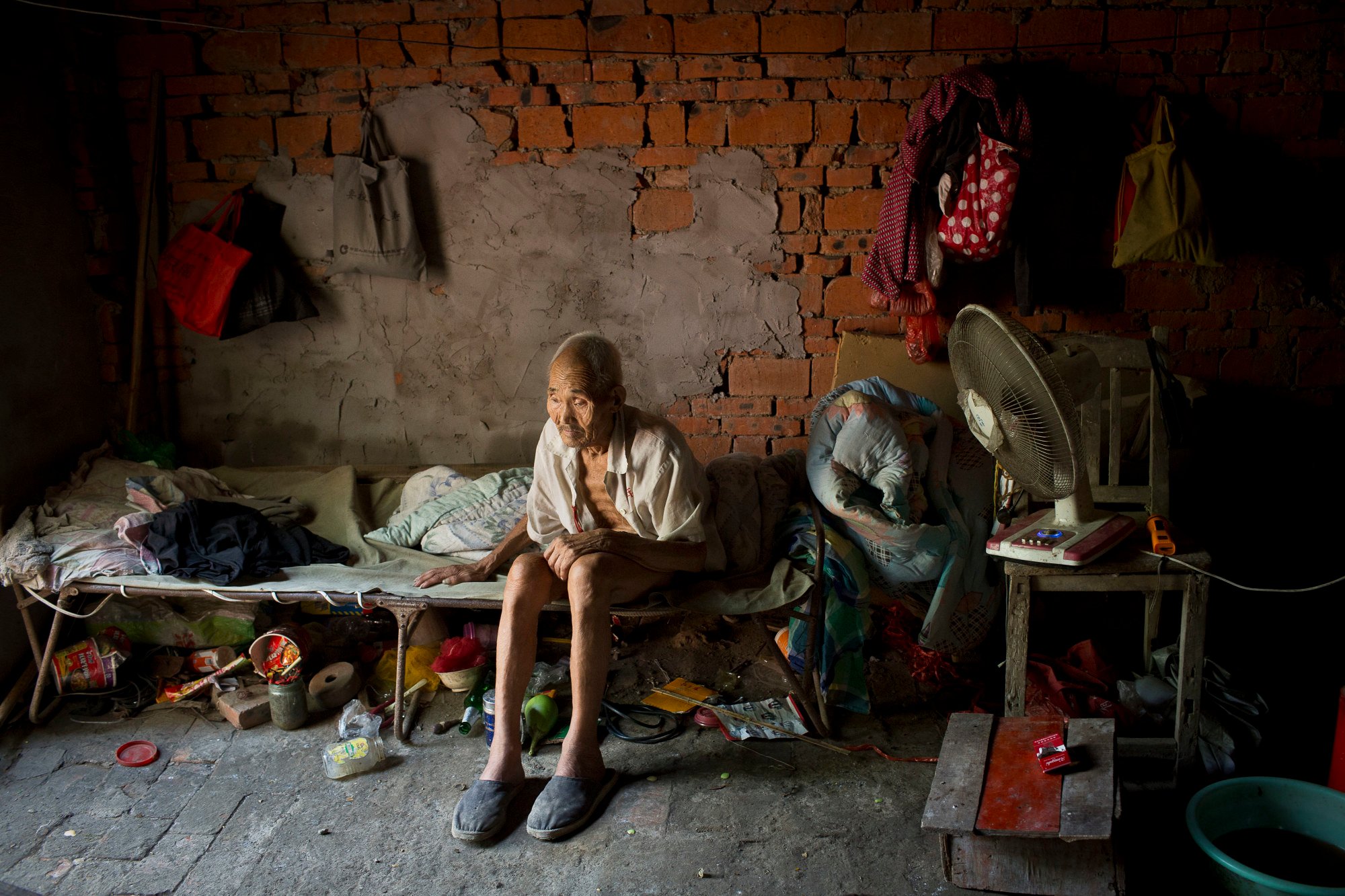
Grief-stricken, Chen followed local customs by sleeping on his mother’s bed for several days.
In some villages in Zhejiang, this is called “pressing the ghost’s bed”.
The ritual usually lasts until the 35th day after a death.
It is believed that it helps guide their spirits peacefully to the afterlife.
According to tradition, a soul gradually fades away, with each seven-day cycle marking a step towards its final resting place.
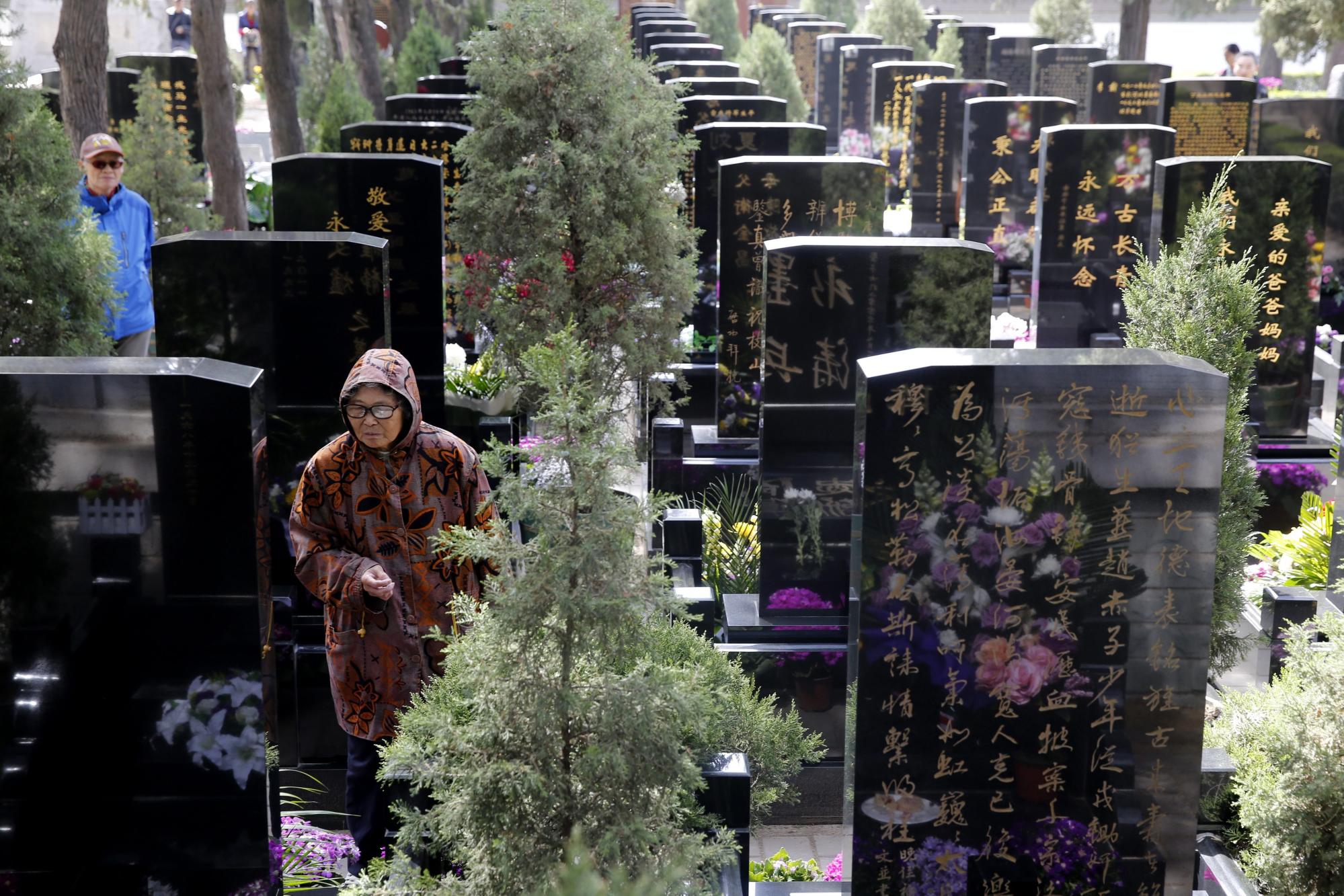
The number seven is particularly significant in Chinese funeral culture. It symbolises cycles of change, transformation and closure.
This practice is also rooted in ancient ancestral worship.
Family members perform rituals like burning paper money and holding memorials to ensure their ancestors protect the living.
On the 10th day of lying on his mother’s bed, Chen began feeling weak and experienced muscle pain.
He developed diarrhoea and vomiting like his mother had before she died.
Chen went to hospital where doctors diagnosed him with a tick-borne virus.
This causes fever, gastrointestinal discomfort and in severe cases, immune dysfunction and organ failure.
Doctors think Chen’s mother likely contracted the virus from a tick bite.
After Chen slept on her bed, he came into contact with residual secretions and contracted the same virus.
Following treatment, Chen’s condition improved.
Doctors advised people to use insect repellent and promptly remove tick mouthparts after bites to prevent infection.
The story caused a buzz on mainland social media.
One online observer said: “Chen’s desire to honour his mother is understandable, but his illness is certainly not what she would have wished. We should practise filial piety in a more scientific way and leave outdated customs behind.”
Another conflicting custom in Chinese culture involves burning the belongings of the dead to prevent bad luck.
Some netizens said that this is not superstitious but helps prevent the spread of diseases. -- SOUTH CHINA MORNING POST