
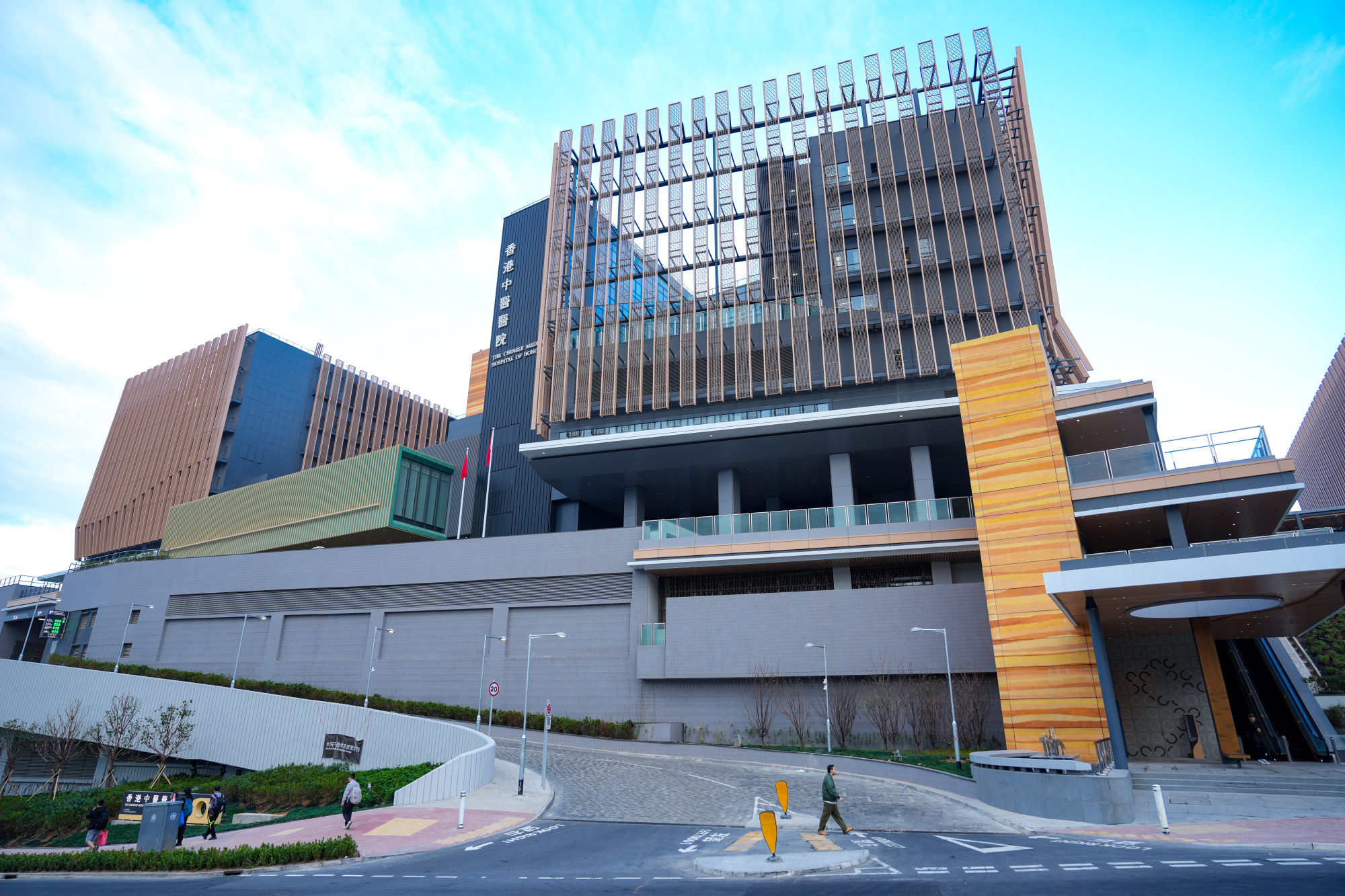
A “Hong Kong model” being developed by the city’s first Chinese medicine hospital that integrates traditional and Western practices will be easier for overseas institutions to adopt, offering a niche for promoting such treatments worldwide, experts have said.
With the opening of the Chinese Medicine Hospital of Hong Kong on Thursday, a German facility that earlier signed an agreement with the new institution told the Post that the two sides were exploring potential areas of collaboration and possible joint projects.
Professor Bian Zhaoxiang, the hospital’s chief executive, said: “The country hopes that Hong Kong, during the development of Chinese medicine, can become a flagship and a bridgehead in bringing [the treatments] to the world.”
Bian’s remarks came ahead of the release of the city’s Chinese medicine development blueprint, which health authorities are expected to announce early next week, according to a source.
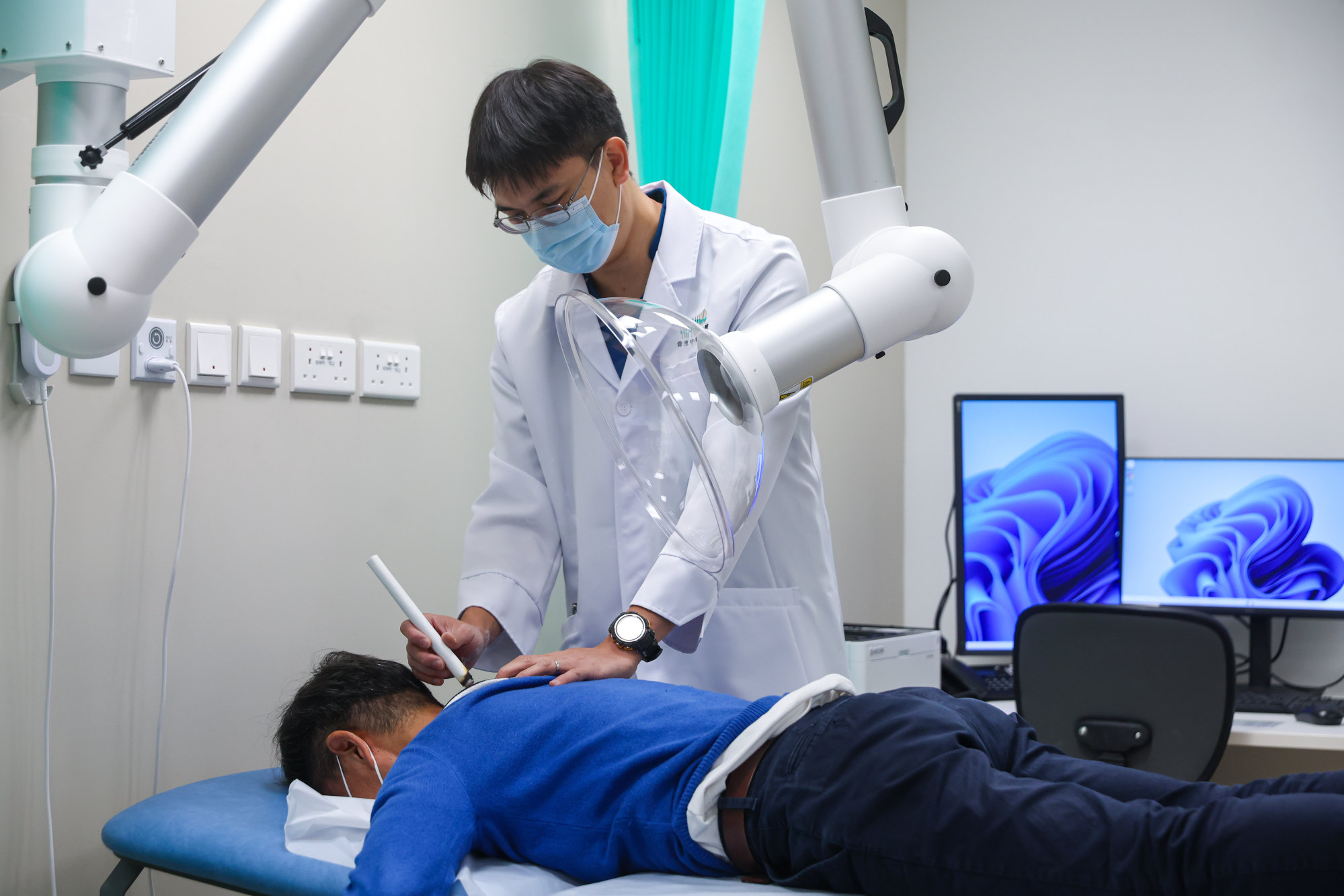
The new publicly owned hospital in Tseung Kwan O, currently operated by a company established by Baptist University, aims to develop a “Hong Kong model” for three service types: one involving pure Chinese medicine, another where traditional practice plays the predominant role and a third integrating Chinese and Western medicine services.
Bian said Hong Kong’s separate registration systems for practitioners in Chinese medicine and Western medicine provided a unique feature when the two disciplines collaborated.
“This separate registration approach is very similar to other healthcare registration systems internationally,” he said.
“Under this circumstance, methods and experience established during the development of Chinese medicine in Hong Kong are easier to adopt elsewhere.”
Bian noted that Chinese and Western practitioners could deliver different diagnoses for the same condition, so mutual understanding was essential.
“There will be discussions on the individual strengths of Chinese and Western medicines. This process can form a rigorous system or clinical plan,” he said.
While mainland China had a longer history of running Chinese medicine hospitals, Bian said practitioners across the border could also perform examinations and laboratory tests using the Western approach, a practice not commonly found elsewhere.
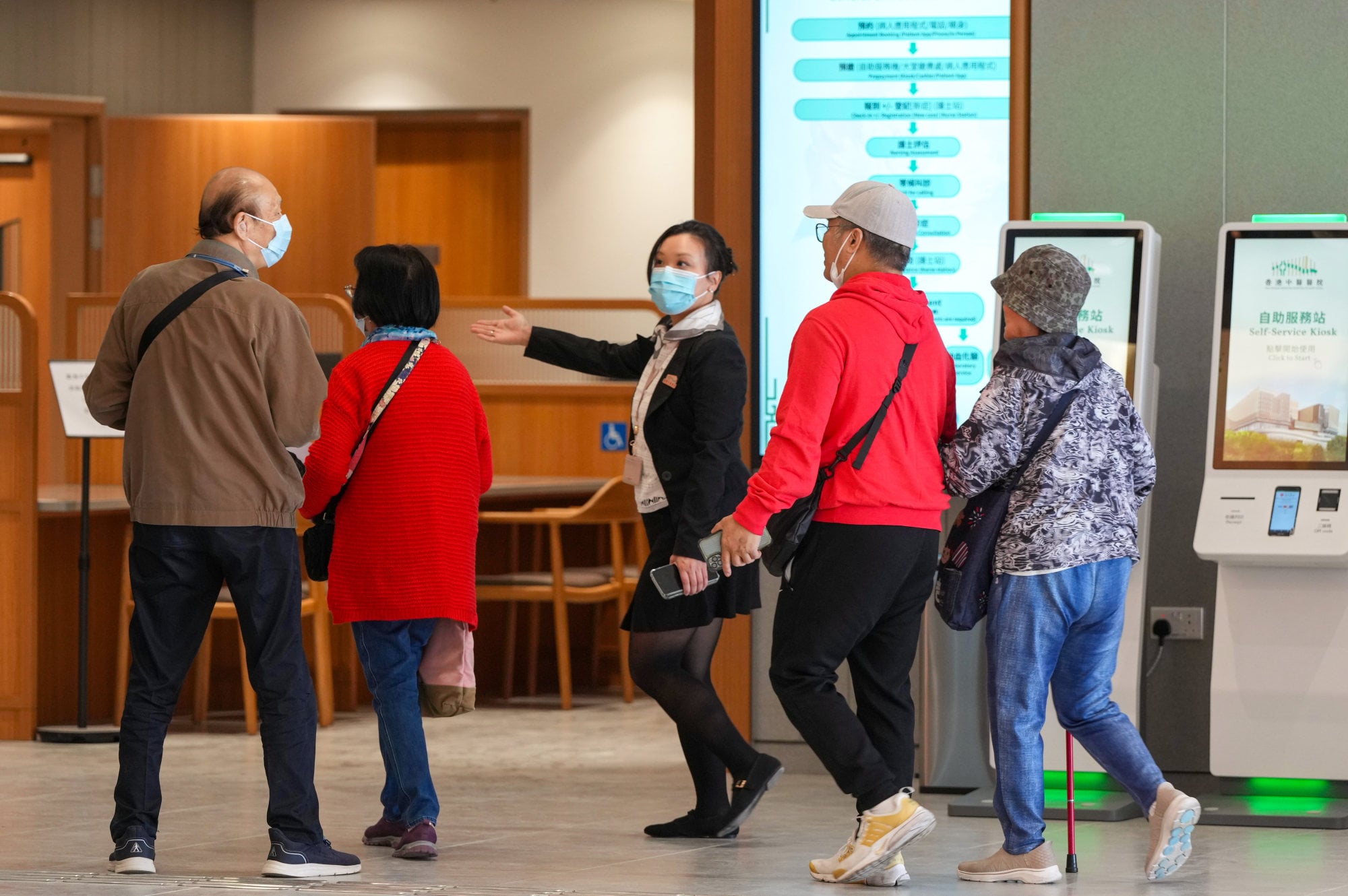
In its first year of operation, the new hospital will roll out 12 special disease programmes, including four following a purely Chinese medicine model, covering conditions such as elderly degenerative diseases and chronic pain, according to the Health Bureau.
Five programmes, including those for mental illness and digestive disorder conditions, will run under the service model where Chinese medicine plays the predominant role.
The remaining three, such as cancer and stroke rehabilitation services, will operate under the integrated model.
The hospital had already signed collaboration agreements with 10 facilities on the mainland and two in Germany and Australia, Bian said.
TCM-Klinik Bad Koetzting, the first officially recognised Chinese medicine hospital in Germany, is collaborating with the Hong Kong facility. The two institutions signed an agreement in January this year.
The German hospital’s general manager, Christina Staudinger, said the partnership covered different aspects.
“The partnership encompasses the exchange of expertise in traditional Chinese medicine and integrative care models, joint discussions on clinical pathways, as well as opportunities for professional training and collaborative research,” she told the Post.
“Both institutions are engaged in regular scientific exchange and ongoing discussions to explore potential areas of collaboration. New ideas and possible joint projects are being continuously evaluated.”
She revealed that their team had visited the new Hong Kong hospital last week, describing it as an “impressive, state-of-the-art facility”.
“[We] are confident that it will play a leading role in the international development of Chinese medicine,” she said.
Professor Justin Wu Che-yuen, founding director of the Hong Kong Institute of Integrative Medicine under the Chinese University of Hong Kong, said the hospital would need to meet several goals to internationalise Chinese medicine successfully.
Wu, a member of the hospital’s board, stressed that the institution had to ensure its services met standards of safety, efficacy and sustainability.
“Will those extra Chinese medicine treatments improve the patients’ clinical outcomes?” Wu said. “And can they help save medical costs in our community?
“There are a lot of expensive therapies, but through developing Chinese medicine, can we make them more [financially] sustainable?”
Beijing in 2020 issued a plan to develop Chinese medicine in the Greater Bay Area, hoping the region could make gains in five areas by 2025. It covered medical services, innovation, talent, the industry and internationalisation.
Lawmaker Chan Wing-kwong, a Chinese medicine practitioner who also sits on the hospital’s board, said the institution could attract talent and promote research in both clinical services and Chinese herbal medicine.
He said the hospital would also offer internships to students studying Chinese medicine at three local universities and help promote training, teaching and research in the profession. -- SOUTH CHINA MORNING POST