




After years of fiery protests, lawsuits and intense scrutiny over alleged Communist Party ties, the plan for a controversial multibillion-dollar Chinese electric vehicle battery plant in Michigan is officially dead.
The setback comes just days before President Xi Jinping will meet US counterpart Donald Trump to talk about fair trade and economic relations in South Korea.
On Thursday, the state’s economic arm announced that it had suspended US$175 million in grants for the enterprise after determining that Gotion Inc., the US subsidiary of state-owned Gotion High-tech, had abandoned the project and defaulted on a 2023 grant agreement.
In a statement for the Post, the Michigan Economic Development Corporation (MEDC) said, while it is “not the outcome we hoped for, we recognise the tremendous responsibility we have to the people we serve to make sure their hard-earned tax dollars are spent wisely and appropriately”.
The MEDC added that it was “actively pursuing repayment” of the US$23.6 million it used to purchase 270 acres (109 hectares) for the project and another US$26.4 million that was given to Gotion, but not spent on preparation works for the mega development.
The MEDC’s statement also noted that Gotion never met the criteria for the Critical Industry Programme’s state grant of US$125 million, so it was never disbursed.
In an October 15 letter to MEDC, Gotion’s lawyer Mark Heusel called the claims that Gotion had abandoned the project as “utterly false”, pointing to the “immense challenges” it has faced in Michigan.
Chuck Thelen, Gotion’s North America head, has also long dismissed allegations of Communist Party links as a “fear sandwich”, claiming to have “personally experienced a great deal of bullying from a number of people”.
In March 2024, Gotion sued Green Township in Michigan for allegedly breaching an agreement to build the factory.
It was all very different three years ago, however, when Michigan hailed the proposed plant as the largest in Northern Michigan, with Michigan’s Democratic governor, Gretchen Whitmer, backing Gotion’s battery plant for its potential to create over 2,000 local jobs.
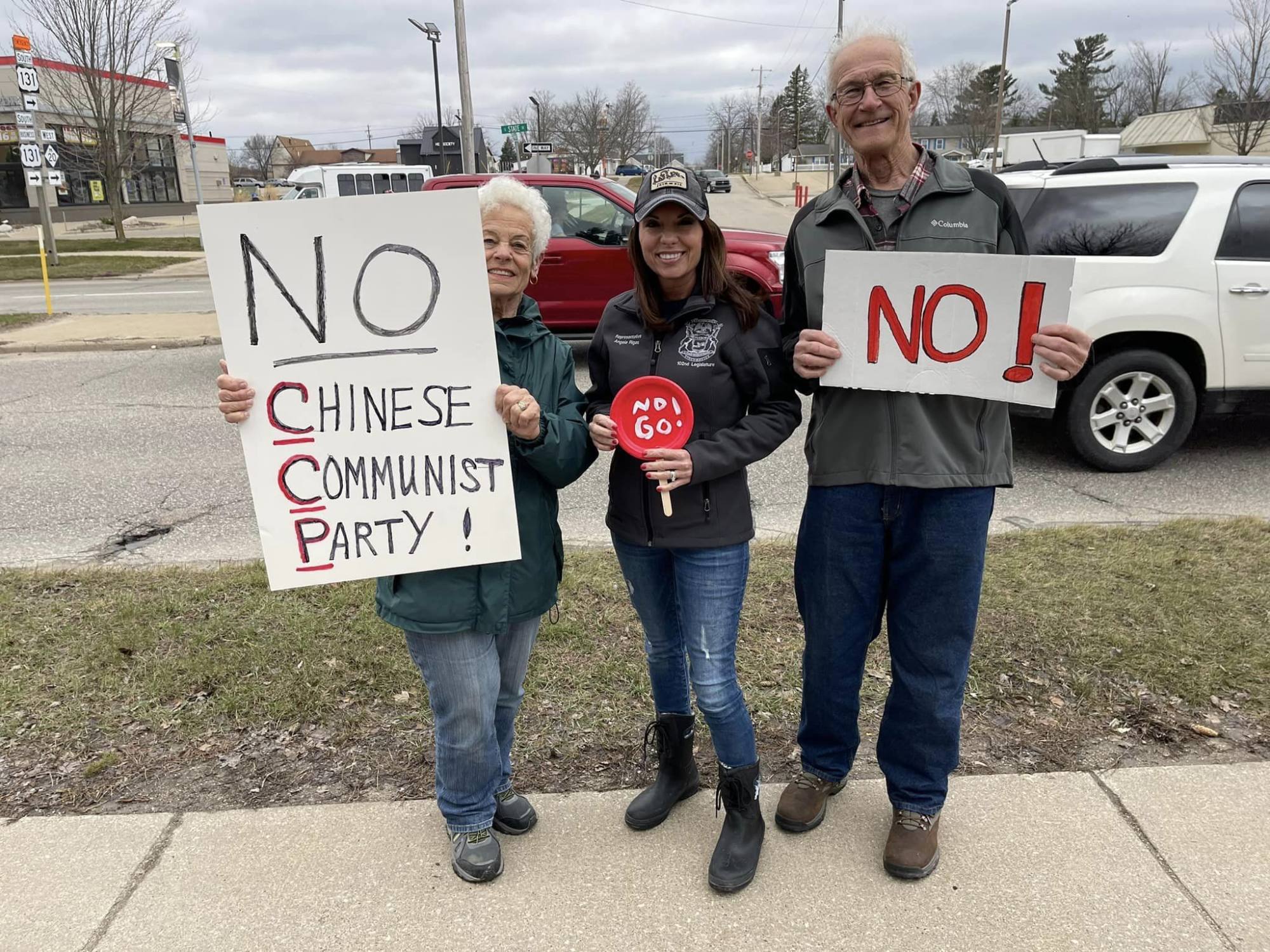
But soon after the announcement, locals in the small town began opposing the project, raising suspicions and conspiracy theories that the company’s Chinese origins could turn the factory into a spying hub for the Communist Party.
In 2023, residents ousted five of the seven township officials in a recall vote over their approval of the project.
It didn’t take long for the issue to reach the power corridors of Washington.
US Republican lawmakers from the state soon made their feelings known. The most vocal being John Moolenaar, who serves as the chairman of the House Select Committee on China.
Moolenaar joined the opposition against the project, introducing a bill to block Chinese companies from receiving federal grants and credits for green energy projects in the US.
On Thursday, he welcomed the state’s decision. In a statement, he said that despite Gotion’s “rosy promises and influence campaign on local leaders, the residents of Green Charter Township repeatedly showed us they do not support a company beholden to the Communist Party setting up shop in their town”.
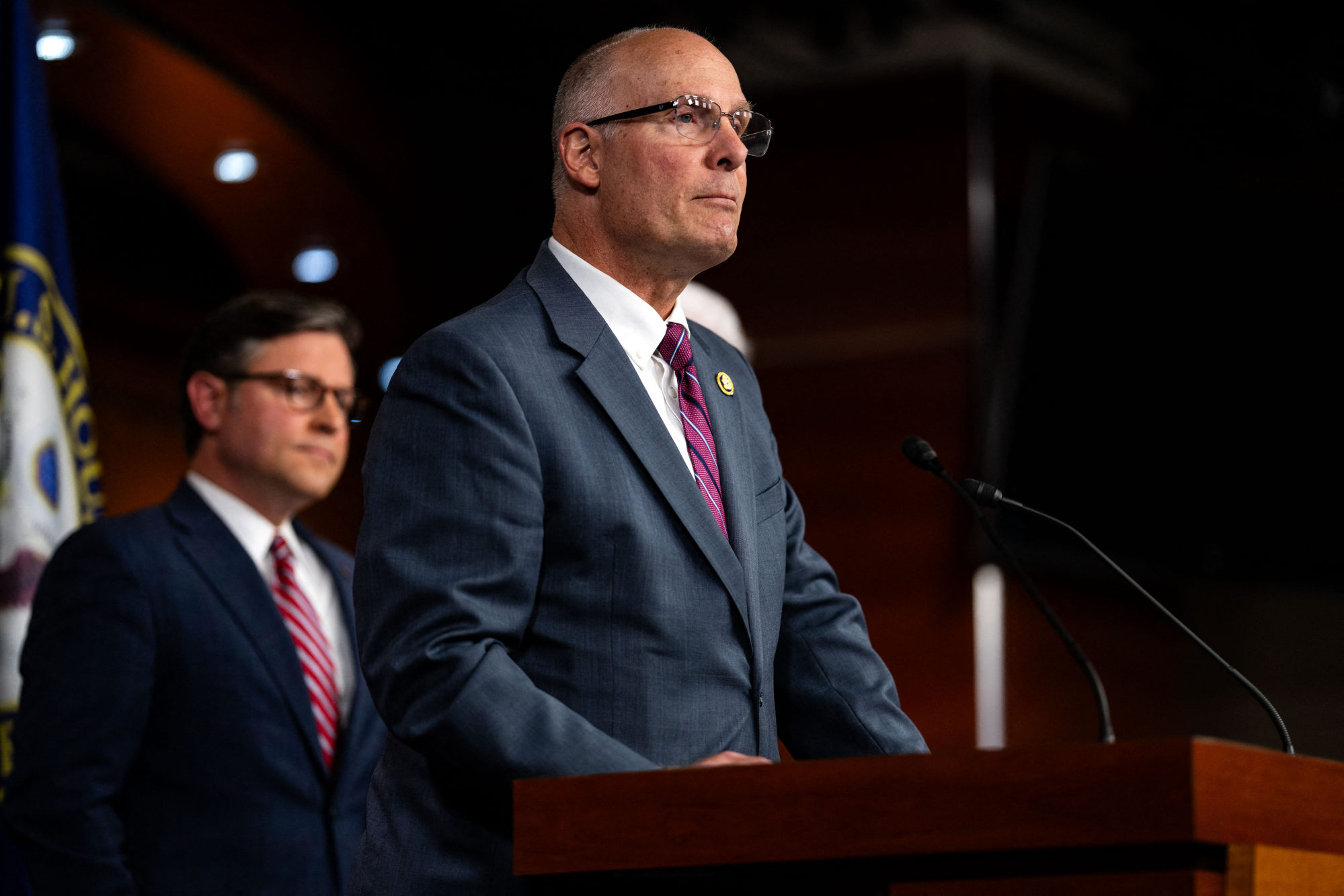
Moolenaar blamed Gotion for deciding to fight instead of “listening to the will of the people – suing the resilient small town in a vain attempt to force its way in, and ridiculing those who did not support its project”.
The project’s demise comes just days before Xi meets Trump on the sidelines of the Asia-Pacific Economic Cooperation in South Korea, for what the “America First” president described as a way “to work out a lot of our questions and doubts”.
The world’s two largest economies remain at odds over Trump’s sweeping tariffs on Chinese imports, his efforts to curb China’s push into advanced technologies like semiconductors, and what Beijing calls “unfair treatment” of Chinese firms operating in the US.
In recent years, several Chinese companies have faced intense public scrutiny and restrictive policies over national security concerns tied to their US investments.
Several rounds of negotiations to lower tariffs and improve conditions for Chinese companies in the US and American firms in China have swung wildly, shifting from fragile truces to dramatic spikes in temper.
Last month, after both sides reached a deal over TikTok – a hugely popular Chinese social media platform that the US Congress had banned for national security reasons – Beijing called on the US to provide “open and fair” treatment for TikTok and other Chinese companies investing in the country.
But shortly after the TikTok deal, the US Commerce Department said that foreign subsidiaries of sanctioned Chinese firms will also be added to its blacklist. The rule is estimated to impact over 10,000 Chinese companies.
As part of its global trade negotiations, the Trump administration has pushed for large-scale Chinese investments to make deals appear more impactful.
While reports suggest the US has sought even bigger investments given China’s economic size, Chinese officials have expressed ongoing concerns about how such investments could be perceived as national security threats – even within Trump’s own Republican Party.
Concerns over Chinese investment in the US have become a key political talking point in recent years.
Gotion’s Michigan project itself became a focal point during the 2024 presidential election, when vice presidential candidate J.D. Vance held a campaign rally at a horse farm owned by a leading local opponent of the facility, which was slated to be built just half a mile away.
“Kamala Harris not only wants to allow the Communist Party to build factories on American soil; she wants to pay them to do it with our tax dollars,” Vance told locals in August last year.
Trump himself weighed in, announcing his disapproval of Gotion’s project that same month.
“I am 100% OPPOSED,” he declared on social media. -- SOUTH CHINA MORNING POST


