The rain was relentless the night Mohammad Kaisar fled for his life from his home in Myanmar’s Maungdaw township.
Barefoot and exhausted, he trudged with his parents and four siblings on mud paths until they reached the Naf River.
On a flimsy boat, they crossed into Bangladesh, joining around a million of the largely Muslim Rohingya minority, fleeing a military crackdown in Myanmar’s Rakhine state. That was in 2017.
Eight years later, rain still lashes down on his simple shelter in the sprawling refugee camps of Cox’s Bazar.
But for the 28-year-old refugee, nothing has washed his despair away.
“War is raging. Hundreds are waiting at the border to enter Bangladesh. Every day, a new family from Rakhine takes refuge,” Kaisar said outside his cramped hut in Balukhali camp.
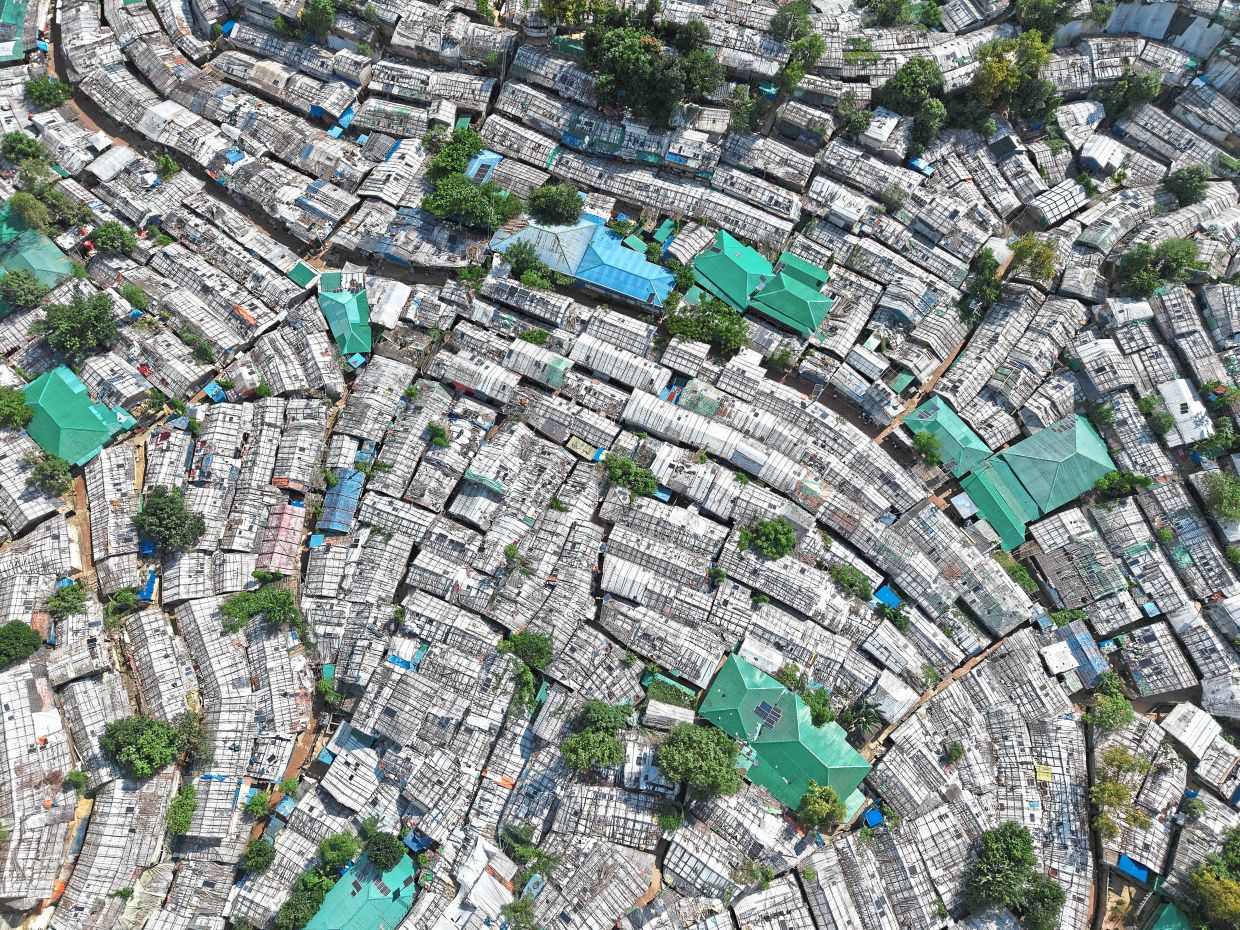
“How is it possible to return home? We were destined to stay in this crowded camp, sandwiched between small huts.”
Bangladesh is this week holding talks aimed at addressing the plight of Rohingya refugees, even as fresh arrivals cross over from war-ravaged Myanmar and shrinking aid flows deepen the crisis.
The meetings in Cox’s Bazar are taking place ahead of a UN conference in New York on Sept 30.
Both Bangladesh and the UN want to provide stable conditions in Myanmar for the Rohingya to eventually return.
That seems unlikely any time soon.
“I consistently hear from Rohingya refugees that they want to return to their homes in Myanmar, but only when it is safe to do so,” Nicholas Koumjian, who heads the UN’s Independent Investigative Mechanism for Myanmar, warned ahead of the meeting.
“Ending the violence and atrocities against civilians from all communities in Rakhine is critical for the eventual safe, dignified, voluntary and sustainable return of those that have been displaced.”
But Kaisar’s old homeland of Rakhine is the site of intense fighting in Myanmar’s civil war, triggered by the 2021 coup that ousted the democratic government.
Bangladesh has recorded a surge of refugees from Myanmar since early 2024, with 150,000 more Rohingya arriving.
For Kaisar, life in Myanmar was a spacious home, running a small grocery shop.
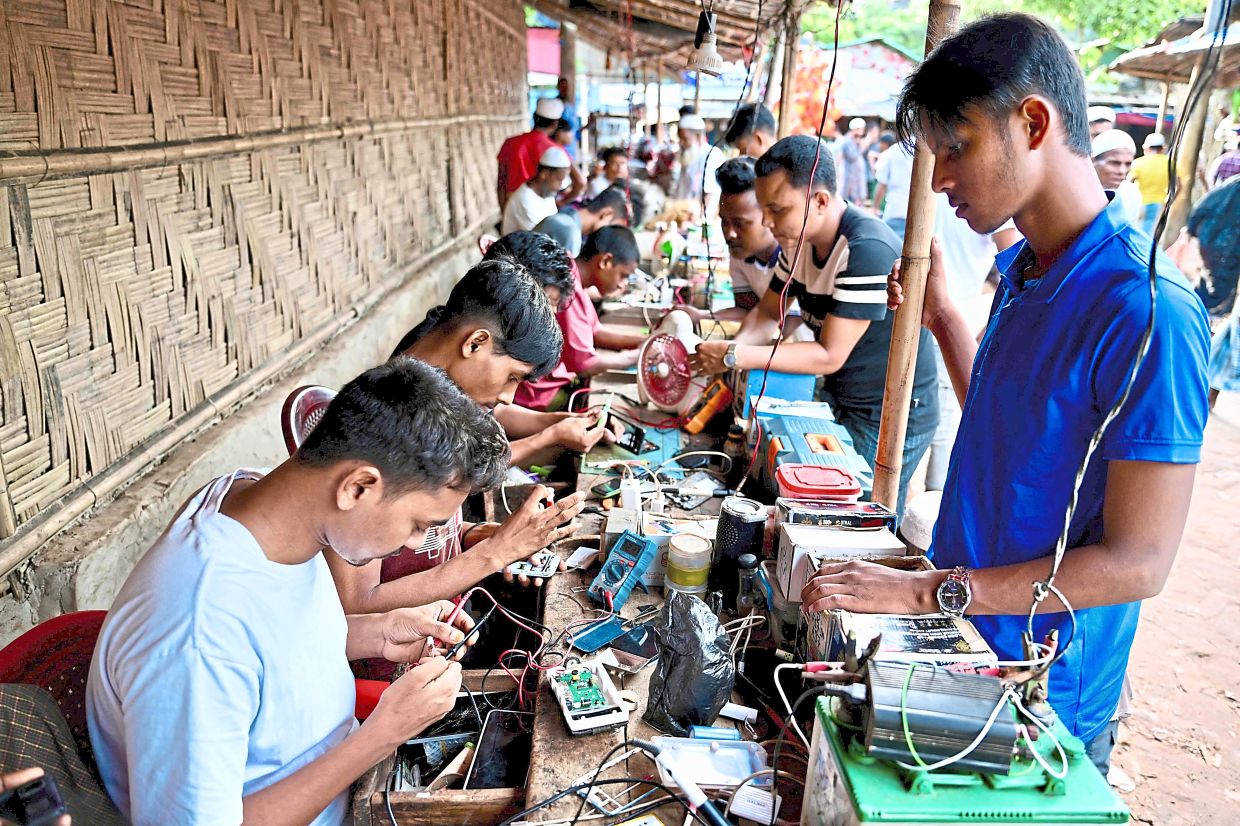
Today, in the grim camps, it’s a battle for survival. Safety is fragile. Factional clashes have shaken the camp in recent months.
“We had two armed groups fighting only a few months ago. It was like a hostage situation,” he said.
“Violence is common; children are the most vulnerable.”
In Rahkine, restricted access due to fighting has been compounded by worldwide aid cutbacks spearheaded by US President Donald Trump’s freeze on humanitarian funding.
The World Food Programme – which received nearly half its 2024 donations from the United States – warned this month that 57% of families in central Rakhine are now unable to meet basic food needs.
In the camps, food too is a constant worry.
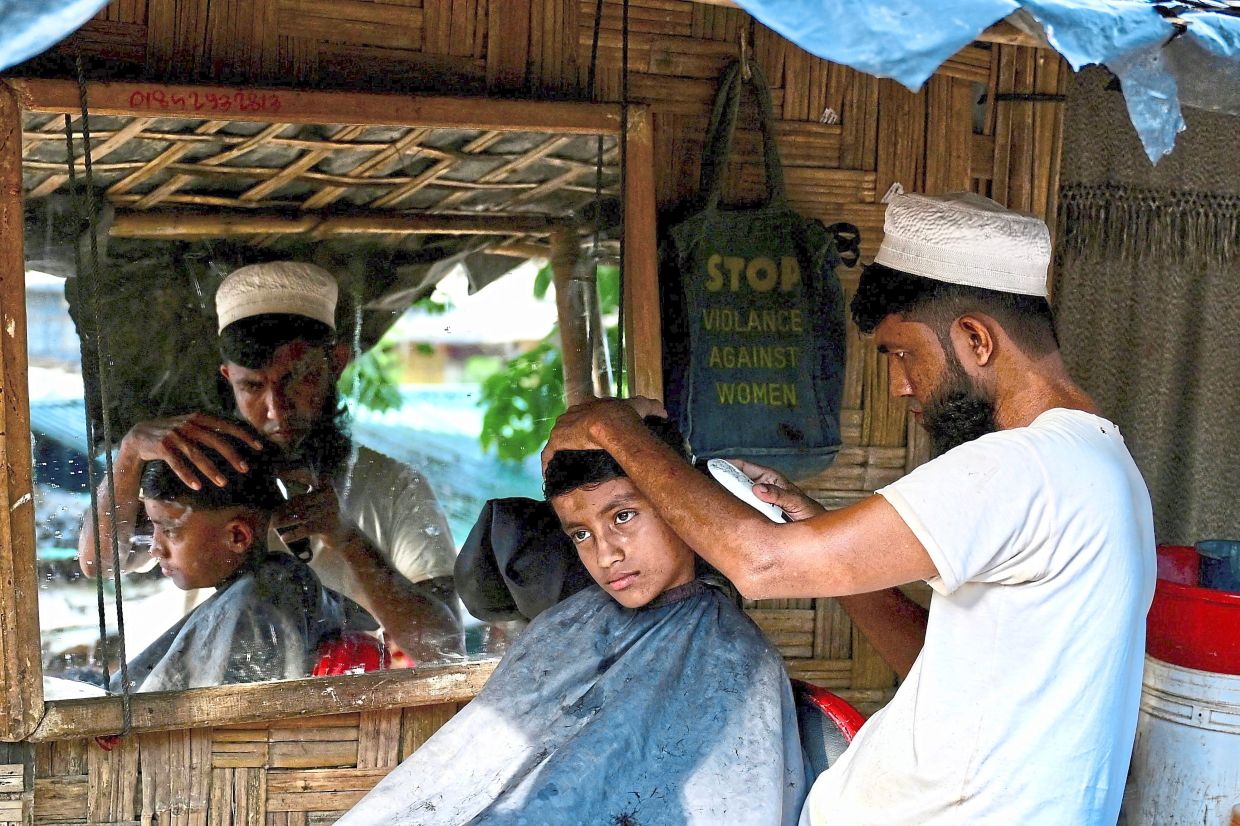
Each refugee receives a ration card worth about US$12 (RM51) a month. Kaisar listed what that buys: 13 kilos of rice, a litre of oil, a handful of onions and garlic, and a packet of salt.
“It fills our stomachs, but there is no nutrition,” he said.
“I have a three-year-old son. He needs milk, eggs and lentils, but we cannot afford them. Nutrition centres in the camps provide support to children under two. After that, we are left to struggle.”
Education is the next looming hurdle and Kaisar fears for his young son.
“Will he be able to study and get a job? Or will he spend his whole life as a refugee like me?” Kaisar asked.
He recalled how ordinary villagers in Bangladesh once handed him dry clothes and food after his escape.
But beyond that generosity, the future looks bleak.
The violence that uprooted him still rages across the border, and Rohingya fighters working with the Myanmar junta have tried to recruit refugees, according to camp residents, UN reports and analysts.
“We civilians have been continuously betrayed,” Kaisar said bitterly. “Every side has used us as pawns.”
For now, the father’s appeal is simple: that Dhaka eases restrictions on education, to allow Rohingya children to attend regular Bangladeshi schools.
“At least allow our children to attend school,” he said.
“If they can stand on their own, maybe their future won’t be as hopeless as ours.” — AFP