Living in the riverside village of Sipat, Josephine Dela Cruz watches the soil erode with every storm, haunted by the fear that one day the ground will wash away completely and take her family with it.
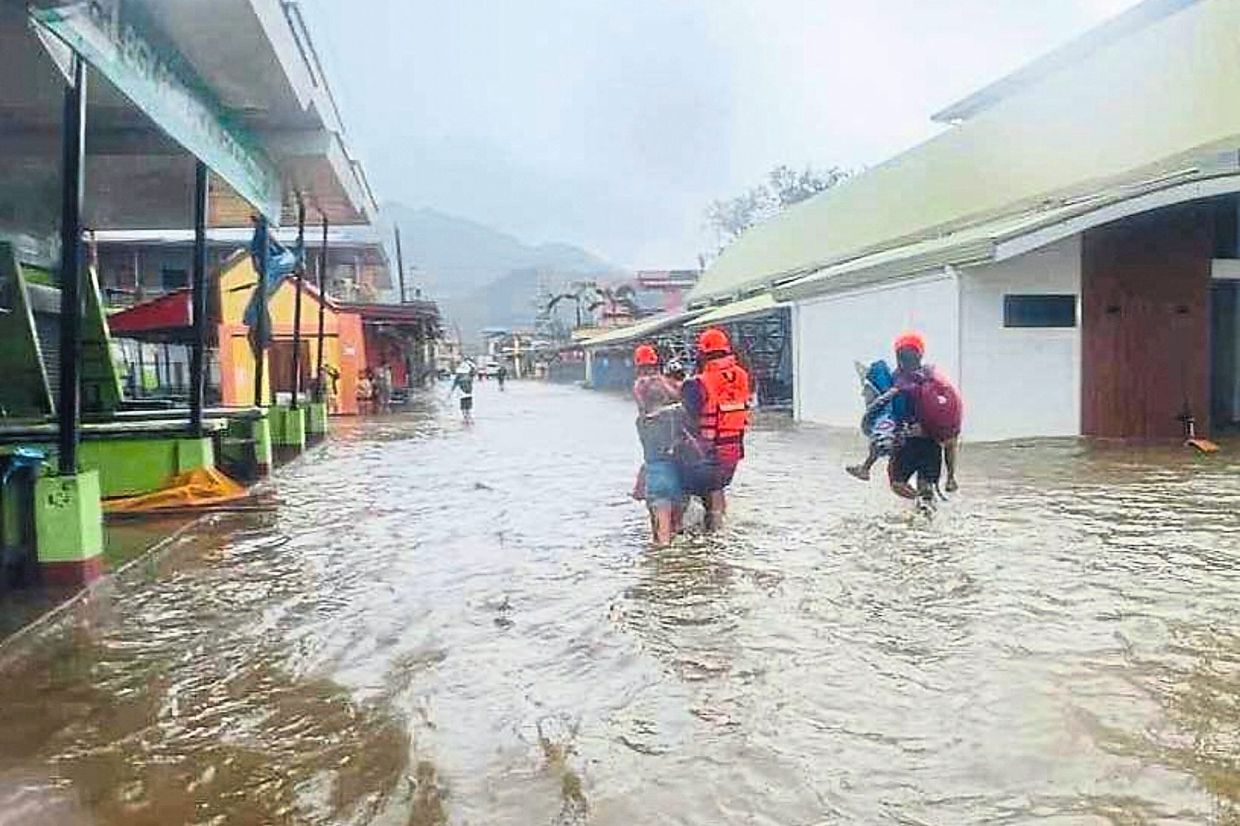
One night this summer, heavy rains toppled trees and knocked down a bamboo stilt house in their settlement in Bulacan, a densely populated province north of Manila, she said.
Bulacan, among the country’s most flood-prone provinces, has had the most flood control projects built in the past three years.
The government has spent more than 500 billion Philippine pesos nationwide to build infrastructure such as dykes, seawalls and layers of large stones known as riprap to control stormwater.
But state investigations have revealed overpriced contracts, unfinished structures and projects mismatched to flood risks, leaving many residents of flood-prone areas still unprotected.
President Ferdinand Marcos Jr formed a commission in September to investigate possible corruption in flood control projects, after thousands of angry Filipinos marched in the streets of Manila on Sept 21 to demand accountability and transparency from the government.
“We were really disappointed when we heard how big the funds were for flood control, and we were left behind,” said Dela Cruz, who has lived by the Angat River for more than 40 years.
When heavy rains fall, a concrete dam releases water from the Angat reservoir to prevent its overflow, exposing downstream communities like Dela Cruz’s to riverbank erosion.
“A state engineer kept telling us they will build a wall to protect us from disasters... but I hope the government will do something about this soon and not wait for another major storm to hit us,” said Dela Cruz.
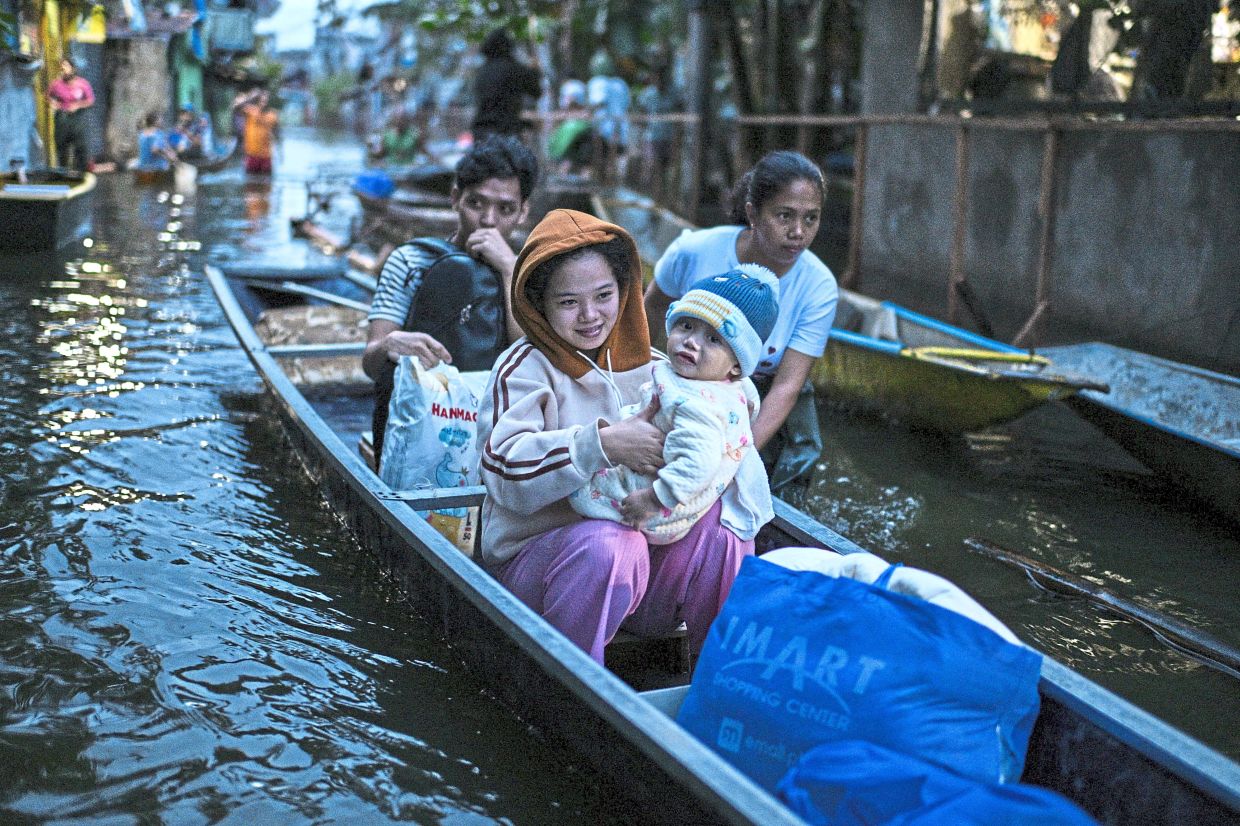
Communities on the frontlines of climate change in the Philippines are facing worsening floods year after year, according to studies, despite the government allocating 1.47 trillion pesos for flood control and mitigation programmes over the last 15 years.
Mismatch and corruption
In another settlement along the Angat River in Sipat, residents said they were pleased when construction began in August of this year on a riverbank protection structure to help prevent flooding.
A month later, they learnt the 96-million-peso (RM6.9mil) project had been marked completed in 2024 under a different contractor, although they had not seen any work done.
The structure is one of several “ghost” or non-existent flood control projects in Bulacan under the Department of Public Works and Highways (DPWH) that have been marked completed based on a database made public by the president.
Lawmakers are investigating contractors and government officials who may have been involved in stealing funds meant for flood control projects that failed to materialise.
“I was shocked when I recently learnt about this ghost project, and I felt pity for my community,” said Oscar Gabriel, chief of Sipat village in Plaridel.
“We were happy that a project like this came to us but we were tricked and lied to.”
The project remained unfinished as of earlier in the month.
Also in Bulacan, some flood control projects were found to be misaligned with actual flood hazard areas, according to an analysis by the Pro-People Engineers and Leaders (Propel), a local NGO that advocates for equitable engineering.
“There’s a sense of misalignment and lack of prioritisation of the DPWH and other agencies of flood hazard areas for flood control projects,” said Jose Antonio Montalban, an engineer and public information officer of Propel.
Propel found flood-prone areas in several towns in Bulacan lacked flood control infrastructure, based on data from Project NOAH (Nationwide Operational Assessment of Hazards), the Philippines’ disaster risk reduction and management programme.
According to the group, 411 out of the 668 flood control projects in Bulacan are not located in any identified flood hazard areas.
Failure of infrastructure
With the Philippines’ reliance on hard infrastructure for flood control, Montalban said scientific assessments of water resources and hazards, such as consideration of an area’s hydro-geographical conditions, are necessary.
He said he has seen infrastructure that may have been built without feasibility reports or other needed studies.
Flaws in design and engineering, which can be linked to corruption and lack of proper planning, have led to disastrous scenarios such as collapsing seawalls or dykes, he said.
“The burden is heavy on communities that experienced these disasters.
“When a flood control structure collapses, the impact on people’s safety is extreme and instantaneous,” the engineer said.
Findings by a 2022 study by architecture scholars suggested a combination of structural and non-structural solutions, such as improving flood forecasting and warning systems and assessing land use and water resources.
Community-based solutions
Greenpeace Philippines said corruption in flood infrastructure is “crippling the ability of millions of Filipinos to survive in the face of an escalating climate crisis”.
“Every year, millions of Filipinos lose lives, homes and livelihoods due to more frequent and more intense flooding.
“Floods have also caused massive economic losses for local governments as well as the national government,” Greenpeace said in a statement on Sept 8.
Propel is calling for holistic flood risk management that includes elements such as community consultations and nature-based solutions.
These solutions include restoring wetlands to absorb excess water, creating water-retention areas and reviving old river channels, as noted in a 2022 case study brief by the Asian Development Bank.
Propel is also proposing a comprehensive drainage master plan to replace the Philippines’ “fragmented” framework on flood risk management.
In Sipat, Gabriel said transparency in public works is critical.
“Flood control infrastructure is nice to have, especially in areas prone to erosion,” he said.
“But I hope the national government will inform us of any planned infrastructure in the community and not leave us in the dark,” he said. — Reuters