
PHNOM PENH: At PinakPou, (With Uncle Restaurant), Chef Mork Mengly is doing more than serving food – he is telling the story of Cambodia, one dish at a time.
With his signature “farm to leaf plate” concept – Cambodia Food Journeys on Banana Leaf, Mengly transforms a humble banana leaf into a canvas of Cambodia’s biodiversity, offering diners a journey through the kingdom’s land, rivers and mountains.
The experience begins in Siem Reap, which he refers to as the land of rice. Here, Mengly lays the foundation of his feast with rice in its many forms – fried, steamed and sticky – each infused with local flavors.
He then takes guests on a coastal detour to Kep Province, famed for its crab market, topping the fried rice with crispy crab eggs that capture the salty breeze of Cambodia’s shores.
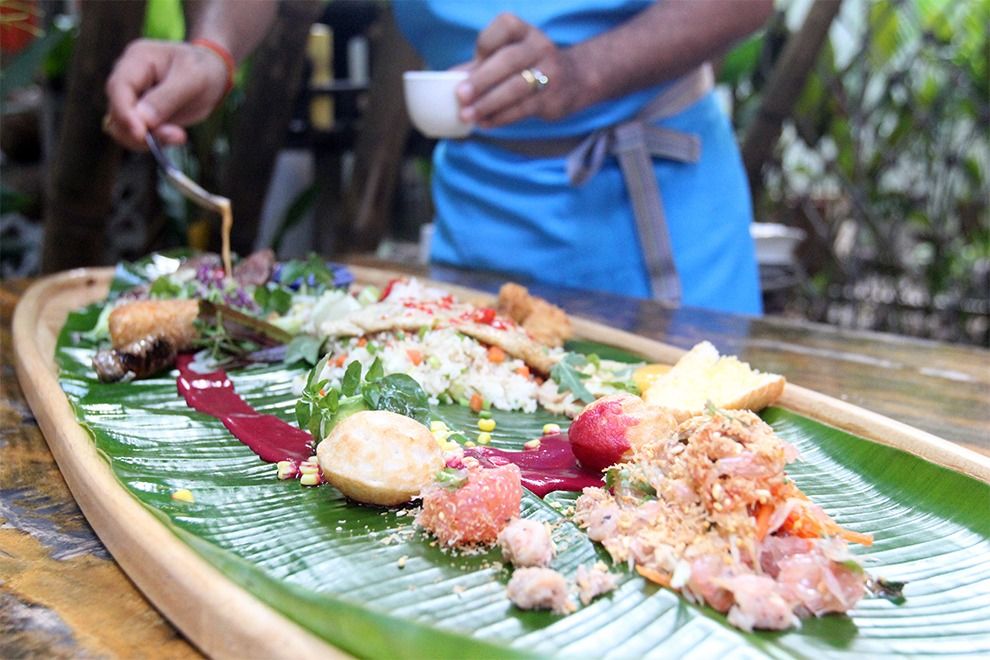
From there, Mengly weaves through the “Land of Gold”, or Suvarnabhumi, incorporating sauces that highlight both the flavour and symbolism of Khmer cuisine.
“We create a red colour using yams with salted radishes and coconut milk,” he explains, emphasising not only taste but also tradition.
The culinary map then heads east to Mondulkiri, where avocados thrive, before stopping at Dangkham village in Siem Reap, with the sweetness of local corn kernels adding texture and depth.
No Cambodian journey is complete without water, and Mengly takes diners to the Mekong River and onward to Koh Trong Island in Kratie, home of freshwater dolphins and lush grapefruit orchards.
On this stop, he serves a refreshing salad of Mekong shrimp, grapefruit and an inventive twist on traditional rice cakes.
Back in Siem Reap, Mengly honours Khmer noodles with fish sauce, sesame leaves, wild herbs and flowers gathered near temple grounds – a reminder of Cambodia’s spiritual and agricultural roots.
The journey then leads to the rice fields, where ducks roam freely. Here, diners are served duck meat cooked with white wine, topped with a raw egg and paired with a piece of rustic bread.
For the mountain regions, Mengly presents a beef steak with a Western-style salad, symbolising the blending of tradition and modernity.
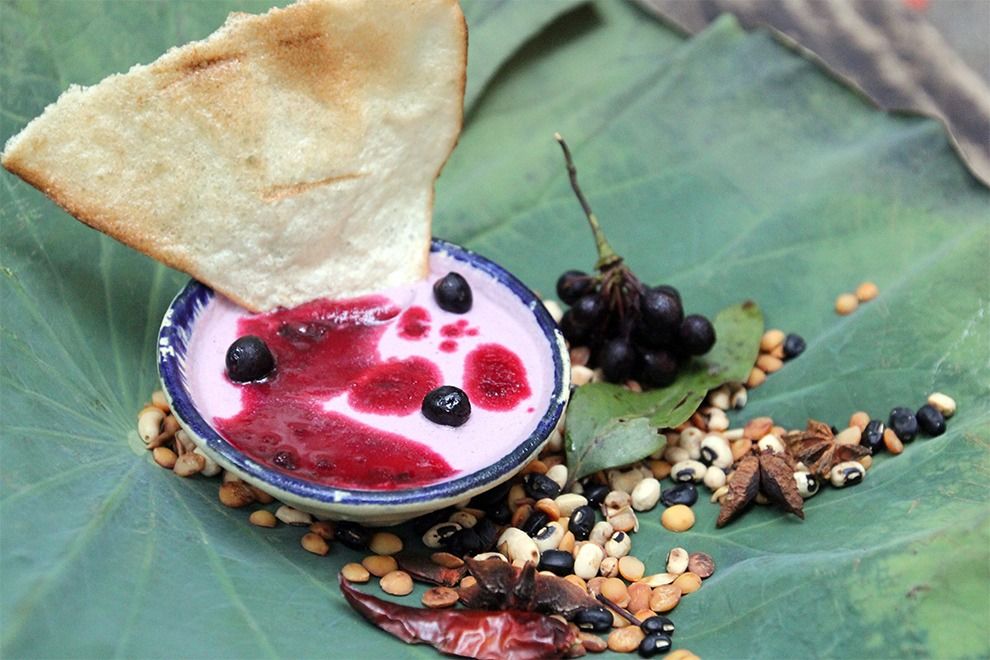
Before the feast begins, Mengly introduces one more ritual: a sip of ambok (flattened rice), encouraging diners to make a wish from the heart.
“Before eating, we ask guests to pray with a sip of ambok,” says Mengly. “It creates joy, gratitude, and reminds us to share happiness with one another.”
No Cambodian meal is complete without something sweet.
Mengly concludes his storytelling with the Rumduol dessert, a fragrant specialty from the Angkor region, leaving guests with both a satisfied palate and a deeper connection to Cambodian culture.
Through his work at PinakPou, Chef Mengly is not only preserving Khmer traditions but also presenting them in a way that speaks to the modern world.
His banana leaf plate is more than a meal – it is a living map of Cambodia, celebrating its soil, waters and people.
As Mengly puts it: “Our food is not just to be eaten. It is to be remembered, cherished, and passed on”.
In the heart of Cambodia’s bustling food scene, Chef Mengly is quietly redrawing the flavour map of a nation. At his restaurant, dishes arrive not only as meals, but as lessons in history, identity and resilience.
“I want people to feel the comfort of Cambodian flavours,” Mengly says, “while also discovering new textures and ideas that keep our cuisine alive and evolving”.
Once, Cambodian mornings began with the familiar steam of kuy teav, rice noodle soup served at roadside stalls.
Today, in Phnom Penh, Siem Reap and Sihanoukville, diners are just as likely to find Japanese ramen, Italian pasta or vegan creations alongside bowls of amok and prahok.
This blending of heritage and modernity, Mengly argues, is both a challenge and an opportunity.
“It shows incomes are rising and our cities are opening to the world,” he reflects. “But it also means we must protect our seasonal, locally grown produce.”
Cambodia, like much of South-East Asia, faces a surge of imported processed foods that threaten to overshadow native ingredients.
Mengly sees it as his responsibility to ensure Khmer cuisine remains both relevant and rooted.
Through cooking classes, community events and candid conversations with guests, he advocates for sustainable farming and the preservation of culinary heritage.
“Food should nourish, not burden,” he says. “Protecting our culinary heritage is as important as enjoying it.”
In Mengly’s kitchen, every menu tells a story. Ingredients are sourced from local farmers, herbs are gathered from temple grounds, and traditional recipes are reimagined with modern presentation.
His dishes carry the soul of Cambodia, yet they also stand confidently beside international cuisines.
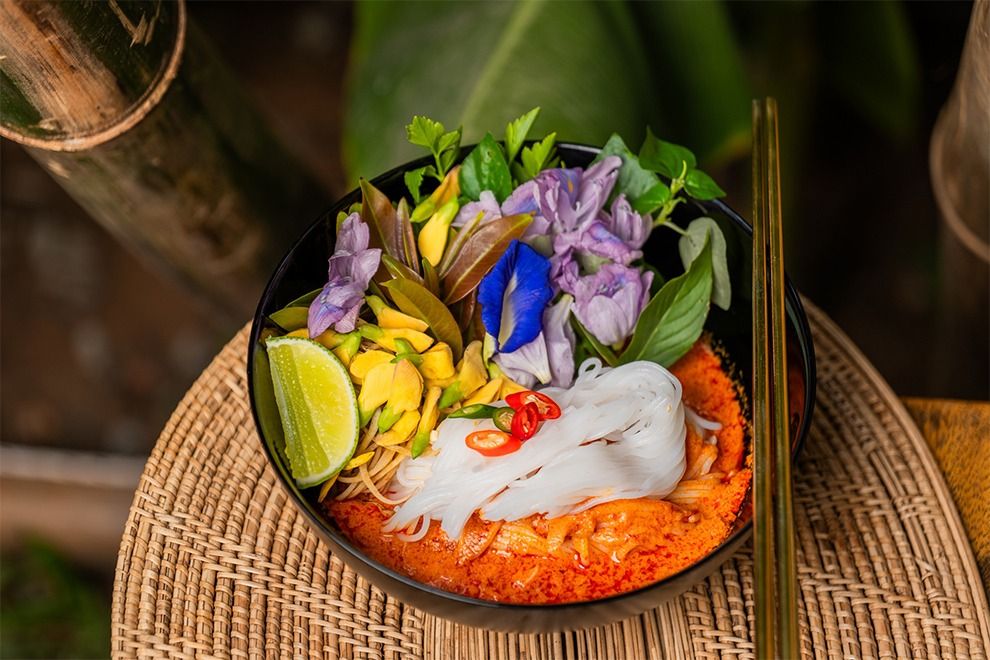
Younger Cambodian diners, he notes, are increasingly adventurous. They seek vibrant presentation, healthier choices and the stories behind their food. This new generation inspires him to innovate without erasing the past.
For Mengly, cooking is not only about feeding people — it is about preservation.
“We are celebrating our farmers and telling our story, one plate at a time,” he explains.
“In this time of change, it is my duty to make sure that story remains truly Cambodian,” he adds.
From banana leaf platters that celebrate biodiversity to desserts inspired by temple flowers, his creations invite diners to taste more than flavour.
They invite them to taste Cambodia itself — the rain in the rice, the warmth of the sun and the resilience of a people whose cuisine continues to evolve without losing its soul. - The Phnom Penh Post/ANN