




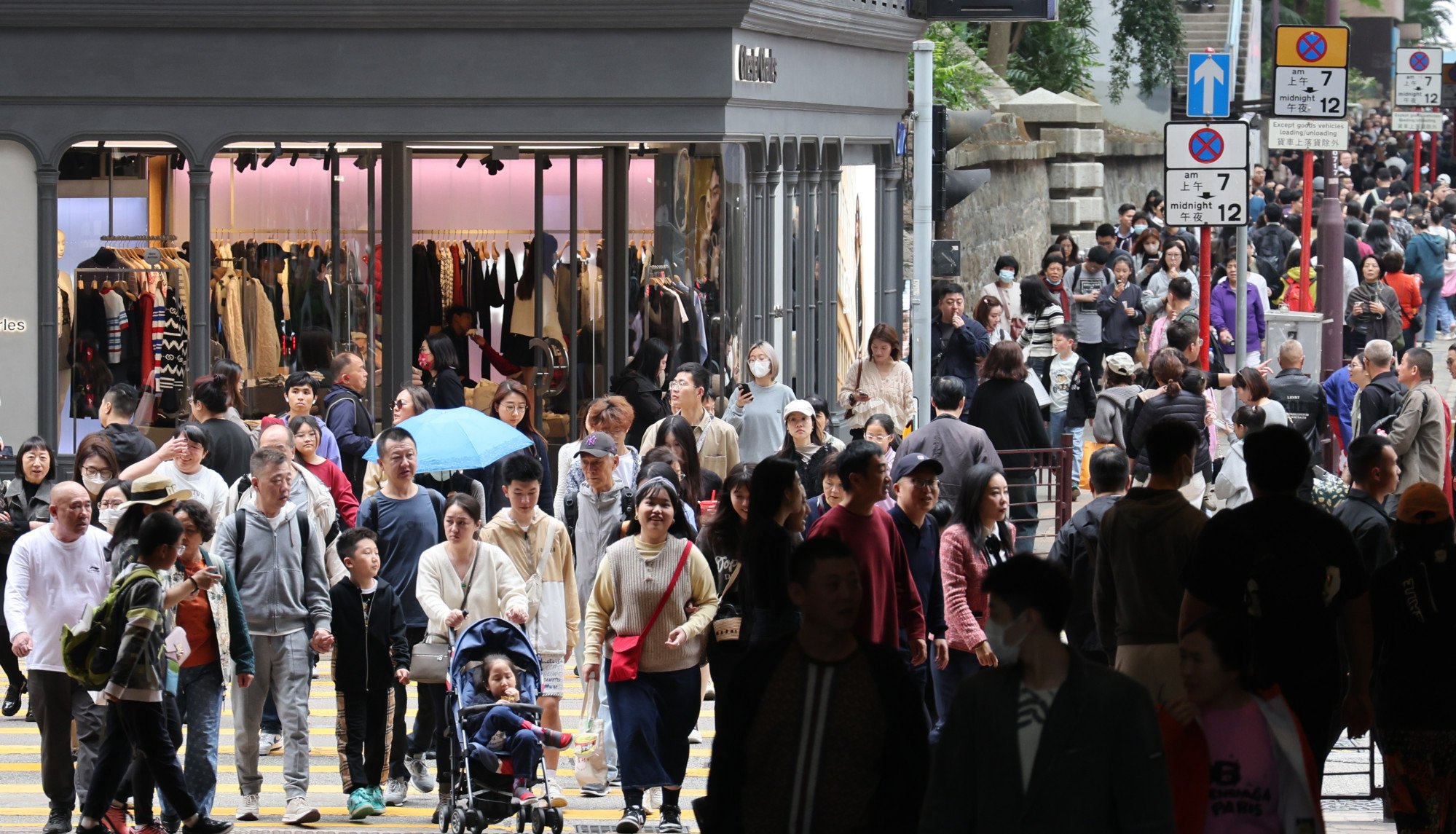
Hong Kong’s Tsim Sha Tsui district commanded the most expensive rental fees among the world’s retail markets last year, as luxury brands from Cartier and Dior to Tiffany kept their flagship stores running on the Kowloon peninsula, according to Savills.
Prime retail rent in TST, as the area is called, was £17,132 (US$22,976) per square metre per annum in the fourth quarter, according to Savills’ report. That was 9.6 per cent higher than New York’s Madison Avenue, at £15,559 per sq m per year, and 11 per cent greater than Bond Street in London’s West End, at £15,333 per sq m per year.
Hong Kong’s high concentration of high net worth individuals (HNWI) is “starting to garner renewed interest” among luxury brands to expand their footprint in the city, especially in TST, said Savills’ Hong Kong director of retail Thomas Waterhouse. The report said the district is likely to retain its pole position in 2025.
Do you have questions about the biggest topics and trends from around the world? Get the answers with SCMP Knowledge, our new platform of curated content with explainers, FAQs, analyses and infographics brought to you by our award-winning team.
Hong Kong had 42,715 people last year who had a net worth more than US$10 million, according to a Knight Frank estimate, which made the city the world’s 10th largest wealth hub last year. The well-heeled set, which made up 0.6 per cent of Hong Kong’s population of 7.5 million people, accounted for 2 per cent of the worldwide class of 2.34 million HNWIs, Knight Frank said.
The city’s government has also been aggressive in luring more investors and wealthy individuals to its shores. As of February, the new investment migration scheme had attracted 910 applicants and was expected to bring in HK$27 billion (US$3.5 billion) in investments.
The rebase of prime retail rents in the city, which are more than a third lower than 2019 levels “is also helping” to revitalise the luxury retail leasing momentum, Savills said.
“While Hong Kong saw improved levels of activity, they were still below pre-pandemic activity,” the report said. “A recalibration in its luxury market is currently under way. Following several years of store contraction, upsizing in key locations is slowly gathering pace.”
A report by Cushman & Wakefield in November placed Tsim Sha Tsui as the world’s fourth most expensive shopping district in 2024, with annual rents at US$1,607 per square foot, behind Montenapoleone in Milan, Fifth Avenue in New York and New Bond Street in London’s Mayfair.
Hong Kong retail sales dropped for a 12th consecutive month in February, falling 13 per cent to HK$29.4 billion from a year earlier, according to the latest data from the Census and Statistics Department. Sales in the first two months of 2025 shrank 7.8 per cent from a year earlier as local residents spent a big chunk of their discretionary income in Shenzhen and elsewhere.
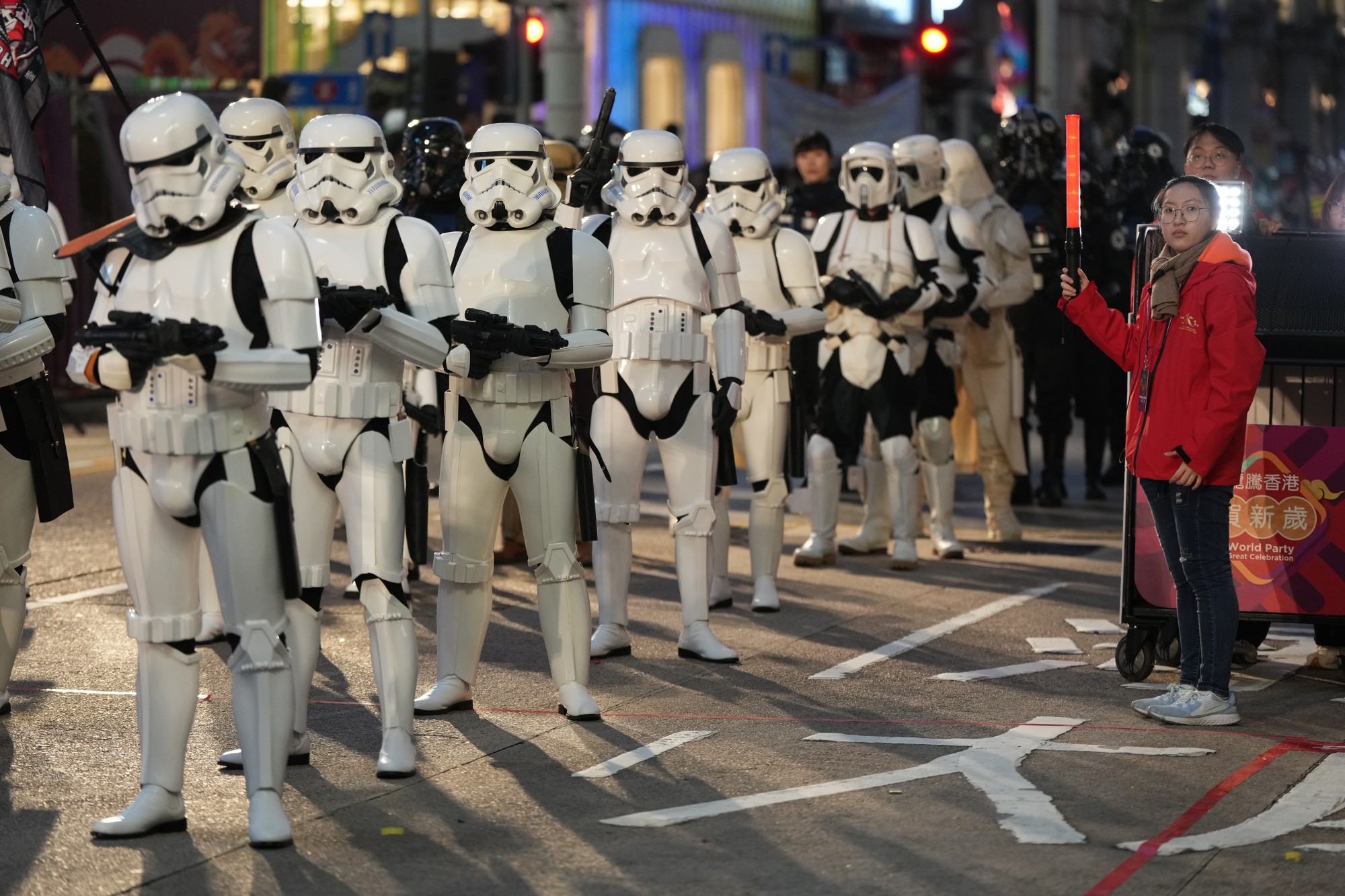
Up to 64 per cent of the new luxury stores that opened last year were in the Asia-Pacific region, with Shanghai and Beijing in the top two spots, while Hong Kong took the ninth place on the list of so-called alpha cities for openings, Savills said.
“[Mainland] China continued to be a powerhouse, responsible for 40 per cent of all new global opening, reflecting a 10 per cent year-on-year increase, though this marks a slowdown from previous trends, primarily due to the opening of IFC Nanjing in the second half of 2024,” said Savills’ cross-border lead Kelly Cheng.
Still, the flurry of openings masked the spending slumps that had forced Gucci, Prada, Louis Vuitton, Chanel, Bulgari to shut outlets across the mainland, according to data compiled by Linkshop.com. New luxury store openings in China this year are likely to contract again, the Savills report said.
“China’s global share [of luxury outlets] did contract,” she said. “This data masks the fact that several major brands have been closing stores in China while consolidating and focusing on key markets.”
More from South China Morning Post:
- Hong Kong pharmacy joins Russell Street retail scene to capitalise on rent slump
- 100% rent hike forces Prince Jewellery to leave Hong Kong’s Russell Street after 21 years
- Futu rents prime Causeway Bay address as online broker prepares for stock market bonanza
For the latest news from the South China Morning Post download our mobile app. Copyright 2025.



