




As Qin Gang arrived in Washington as Beijing’s ambassador, many analysts expected a “wolf warrior” diplomat, who would likely further inflame bilateral tensions that were already high owing to disappointment in Beijing that US President Joe Biden would not overturn many of the hard-line policies of his predecessor.
Despite Biden’s continuation of former president Donald Trump’s sanctions and tariffs against China, and the new US leader’s pursuit of apparently-if-not-explicitly anti-Chinese partnerships such as Aukus, Qin had some kind words about America as he left to take on his new role as Beijing’s foreign minister.
Qin’s departure, at the midpoint of Biden’s first term as president and the start of a new US Congress that is expected to be more stridently anti-China, gives us a vantage point from which to review the new era of Sino-US strife that began under Trump, the first US president to have made China a core part of his campaign messaging.
Do you have questions about the biggest topics and trends from around the world? Get the answers with SCMP Knowledge, our new platform of curated content with explainers, FAQs, analyses and infographics brought to you by our award-winning team.
Given Trump’s obvious admiration for strong, autocratic leaders, many analysts assumed that the rhetoric was an election campaign front that would transform into something more diplomatic, particularly when it came to President Xi Jinping.
And, for a brief period, that course appeared to be set. Following Trump’s stunning defeat of his Democratic opponent Hillary Clinton, Xi was quick to congratulate the new US leader.
Xi even flew to Florida for his first meeting with Trump at the then-president’s Mar-a-Lago resort, just weeks into Trump’s tenure. Amid strolls on the resort’s grounds, surrounded by Atlantic Ocean breezes, the two agreed to new bilateral dialogues on many of their thorniest issues – including trade, intellectual property rights and cybersecurity.
But the bonhomie did not last. Without any indication that Beijing would move quickly enough for his liking, Trump ordered then-US Trade Representative Robert Lighthizer to conduct a formal investigation into whether China’s intellectual property policies were “unreasonable or discriminatory”.
Less than a year later, with hope all but lost that robust engagement with China would force the country to reform, Trump started a bilateral trade war that the Biden administration shows no willingness to end.
Covid-19, which struck during Trump’s last year in office, only served to drive the two sides apart further as, instead of cooperating to end the pandemic, Washington accused China of covering up the origins of the pathogen.
Far from extending an olive branch in a picturesque setting as Trump did early in his administration, Biden started his term with a foreign policy speech in which he warned that the European Union and the US must prepare for “long-term strategic competition with China”.
Biden also carried over from the Trump administration allegations that China is committing genocide in Xinjiang, rolling back Hong Kong’s autonomy, and making a mockery of its own pledge not to militarise outposts in the South China Sea.
And when many analysts thought that a direct military confrontation was the only way that the bilateral relationship could worsen, then-House speaker Nancy Pelosi’s trip to Taipei, in defiance of Beijing’s warnings, seemed to bring the two sides to the brink of such a scenario.
Biden appeared, initially, to try to discourage Pelosi, but made no apologies to Beijing once she made the rounds in Taipei, which included a visit with the chairman of Taiwan Semiconductor Manufacturing Company. That visit to the world’s leading contract chip maker underscored another thorny bilateral issue that played out during Qin’s tenure.
In what many analysts are calling an “October surprise”, the Biden administration announced the latest in a series of steps intended to halt shipments of chips and chip-making technology of potential use to China in its military build-up and bid to dominate key industries.
We might have expected a rhetorical firestorm from the likes of Qin and his colleagues, but despite the difficulties that these restrictions have created for China, Beijing’s response has been tepid.
They also did not manage to derail Biden’s face-to-face meeting with Xi in Indonesia in November with an agreement that US Secretary of State Antony Blinken will make his first trip to China.
There’s no clear explanation for the relative bilateral diplomatic stability in the face of harder line US policies against China, from Qin or his ministry. It’s possible that Beijing’s diplomats are trying to win back friends after its failure to condemn Russia’s war against Ukraine, as the Chinese ambassador to the European Union, Fu Cong acknowledged last month.
Xi himself has identified some limits to his support for Russian President Vladimir Putin. But it remains to be seen whether the calmer waters in the US-China relationship will continue to prevail as Qin assumes his new post.
He may be able to manage relations with the Biden administration, but the US Congress appears to be on a more hard-line course when it comes to Beijing now that the Republicans have control of the House of Representatives.
As one of the chamber’s first orders of business following California Representative Kevin McCarthy’s chaotic elevation to the House speakership, the chamber voted to establish a select committee on US-China strategic competition, affirming its intention of keeping China at the forefront of the new Congress’s agenda.
Stay tuned to see how many headaches US lawmakers cause for Qin.
60 second catch-up
China’s next ambassador to the US will confront a new set of challenges
House approves special US-China committee to keep strategic competition high on Congress’s agenda
Qin Gang heads to Africa for first trip as Chinese foreign minister
New Chinese Foreign Minister Qin Gang vows to prioritise US ties, tweets praise for Americans
Chinese firms are concealing exports’ Xinjiang ties, say US customs officials
TikTok doesn’t pose security threat to US, new academic study says
China’s wolf warrior spokesman Zhao Lijian moves to border role
Opinion: US-China relations: new foreign minister Qin Gang offers some hope for calmer days ahead
Latest Taiwan arms sale reflects US indifference to mainland China’s reaction
Deep Dives
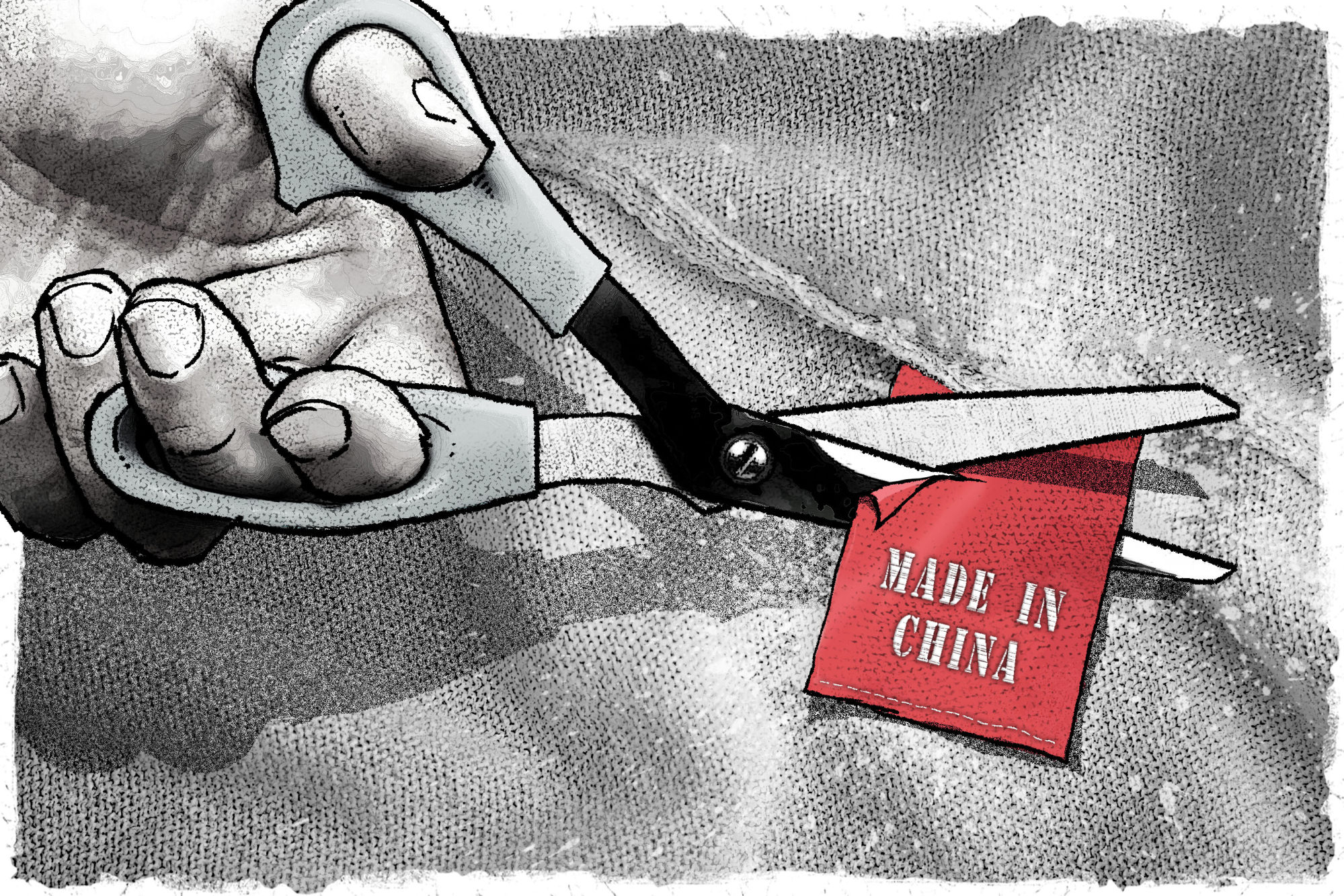
Global Chinese firms try ‘decoupling’ from China as US business climate turns hostile
-
Public relations specialists note a growing trend of Chinese companies trying to localise their image and operations to remain competitive in the US
-
Between perceived security threats and an emphasis on new supply chain alternatives, US policies have left Chinese firms scrambling for cover
The communications manager of a multinational tech corporation that makes sustainable smart devices in China stressed that it is a global company, not Chinese.
The company’s public relations materials say it has “operational headquarters” in the US, Europe and another Asian country, but don’t mention Shenzhen – though its official website names Shenzhen on top under “headquarters”. And the company plans to move its manufacturing somewhere outside China.
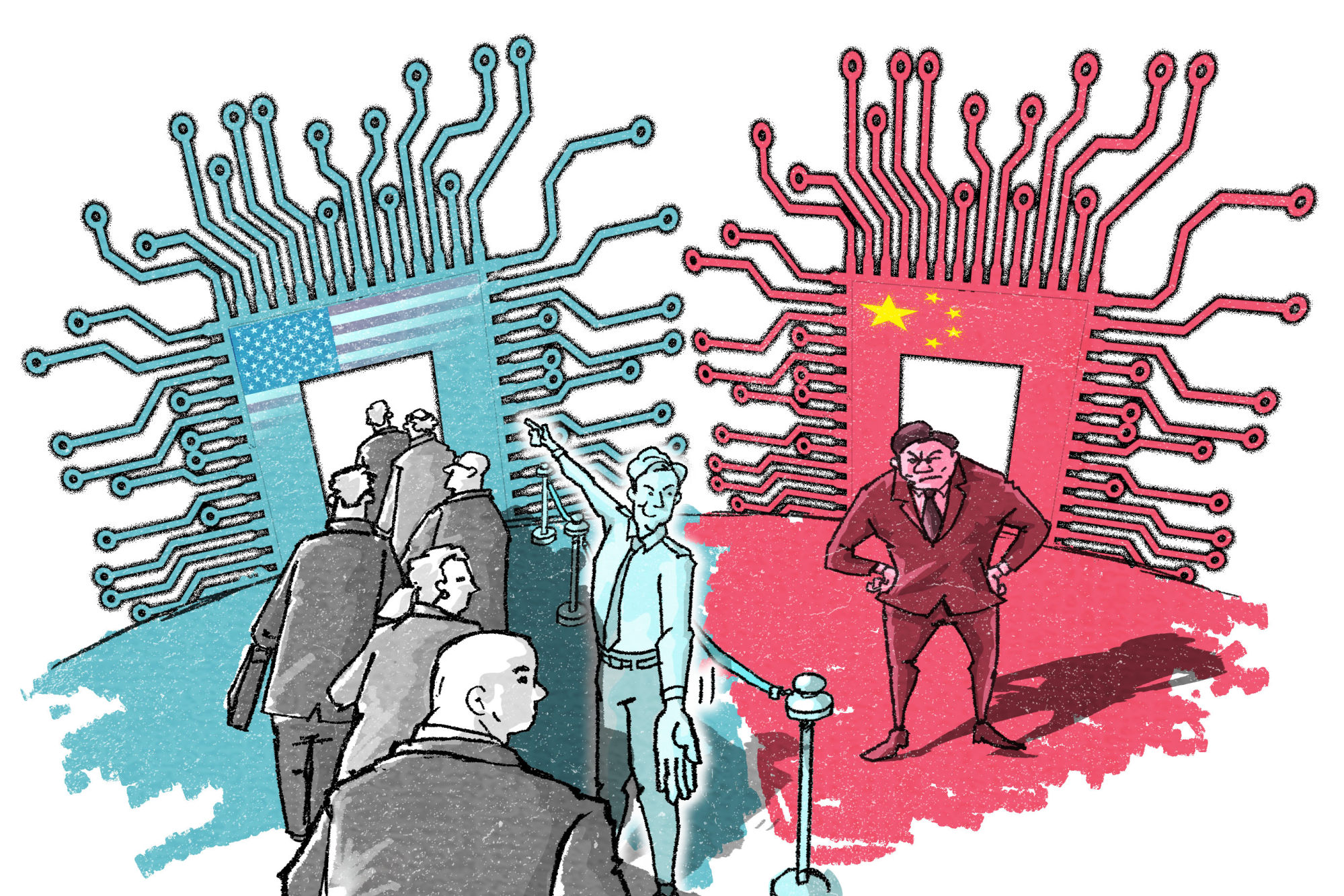
Tech war: China’s push to forge a chip coalition in Asia falters as Washington expected to tighten the screws in 2023
-
The past year has seen the emergence of a US-led coalition to thwart China’s access to advanced chips
-
Beijing’s plan to use Europe as a counterbalance to US semiconductor export restrictions has faltered amid rising supply chain concerns there
Chinese strategist Wang Xiangsui published a book in 2017 entitled One of the Three: China’s Role in a Future World, in which he described a global future that sees three main blocs emerge: North America, Europe and pan-Asia.
Borrowing a page from Luo Guanzhong’s literary classic Romance of the Three Kingdoms, Wang says China will take on leadership of the pan-Asia bloc. “China should be happy to have one third of the world under heaven,” Wang said in an interview with the Observer, a Chinese nationalist website, in late 2020.
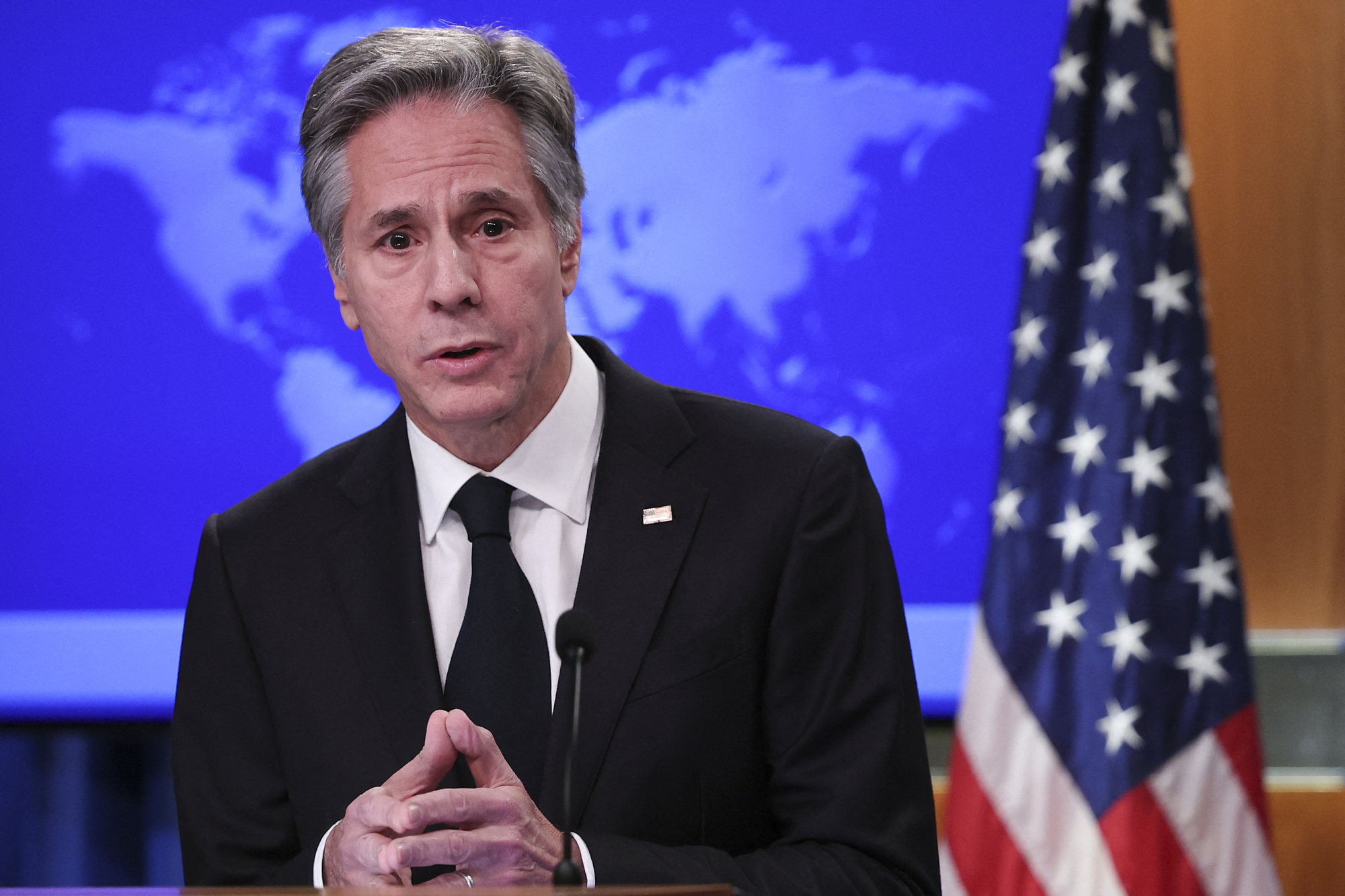
Blinken discusses US-China ties with incoming Chinese FM Qin Gang
-
The US secretary of State says he talked about maintaining open lines of communication during a phone call with his new counterpart
-
Qin, China’s ambassador to the US and a trusted aide to Xi Jinping, was appointed to his new role as Beijing and Washington seek to stabilise rocky relations
US Secretary of State Antony Blinken spoke with Beijing’s ambassador to Washington Qin Gang before the Chinese diplomat’s departure from the US to take up his new post as foreign minister.
Just days after Beijing confirmed Qin’s elevation, Blinken said that he discussed the US-China relationship and “maintaining open lines of communication” in his phone call with Qin.
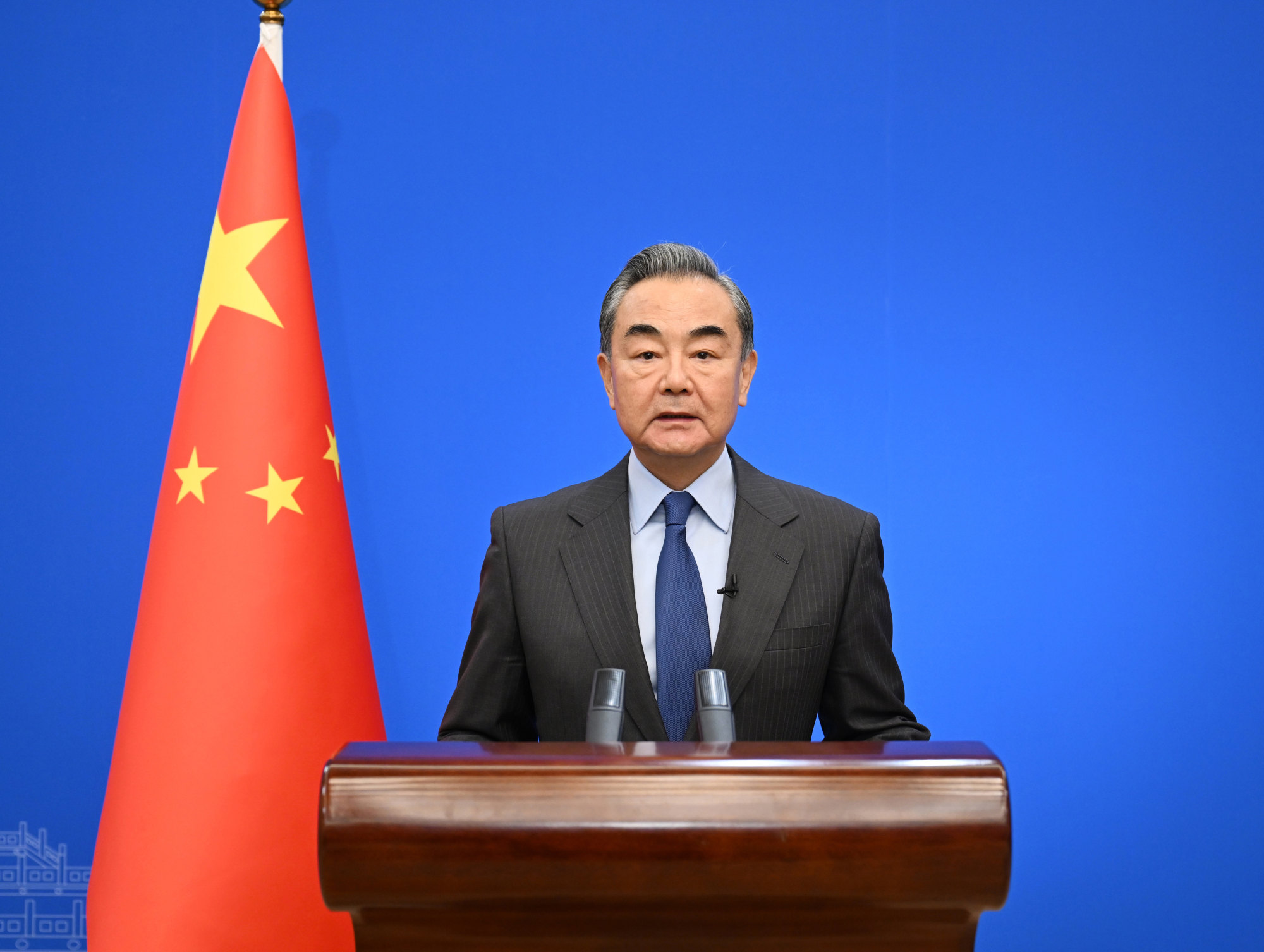
China seeks course correction in US ties, rejects hegemony: top diplomat Wang Yi
-
In New Year’s Day article for Communist Party journal, Wang Yi rejects US framing of China ties as a rivalry between a democracy and an authoritarian government
-
Byline cites Wang as director of Central Foreign Affairs Commission general office, the first confirmation of his new role as China’s top diplomat
China’s new top diplomat Wang Yi pledged in a New Year’s Day message to work on course correction in US-China relations, but also vowed to fight against “all forms of hegemony”.
“[We will] implement agreements reached by the top leaders of the US and China, seek to establish guiding principles of Sino-US relations and correct course [in bilateral ties],” Wang wrote in an article published on Sunday in Qiushi, the flagship magazine of China’s ruling Communist Party.
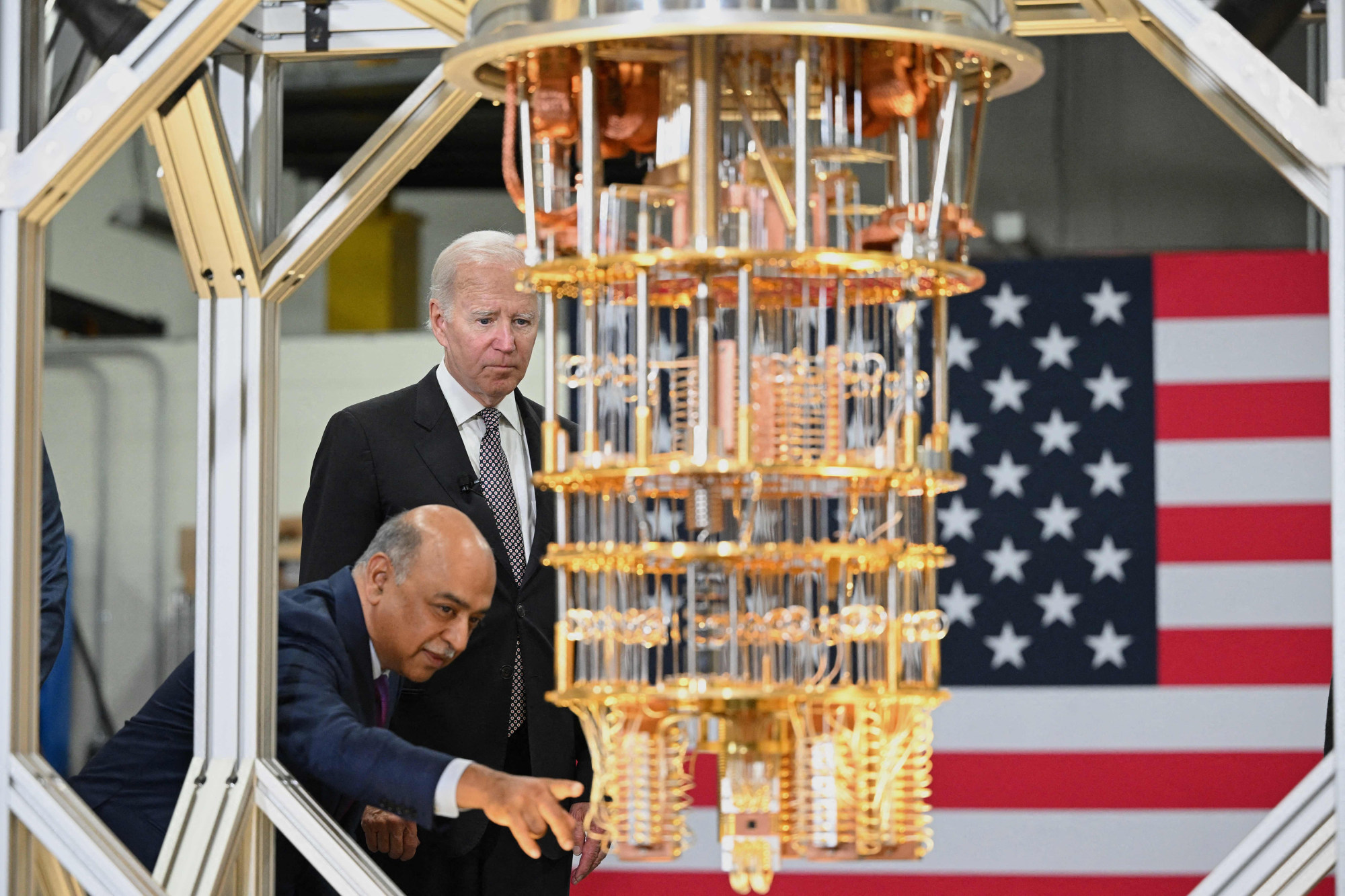
US investors set to remain cool on China until after 2024 with ‘short-term return potential not optimistic’
-
Number of deals involving US-based acquirers or investors related to Chinese targets decreased from 96 between January and November in 2021 to 45 last year
-
Momentum is expected to return in 2024 amid an improving macro-environment, with the US presidential election set to take place in November next year
Geopolitical issues and high borrowing costs due to interest rate increases will continue to hamper the enthusiasm of US investors on making deals through merger and acquisitions, private equity and venture financing in China this year, according to industry insiders.
Figures from GlobalData, a London-based information services company, showed that the number of deal announcements involving US-based acquirers or investors related to Chinese targets decreased from 96 between January and November in 2021 to 45 during the same period last year.
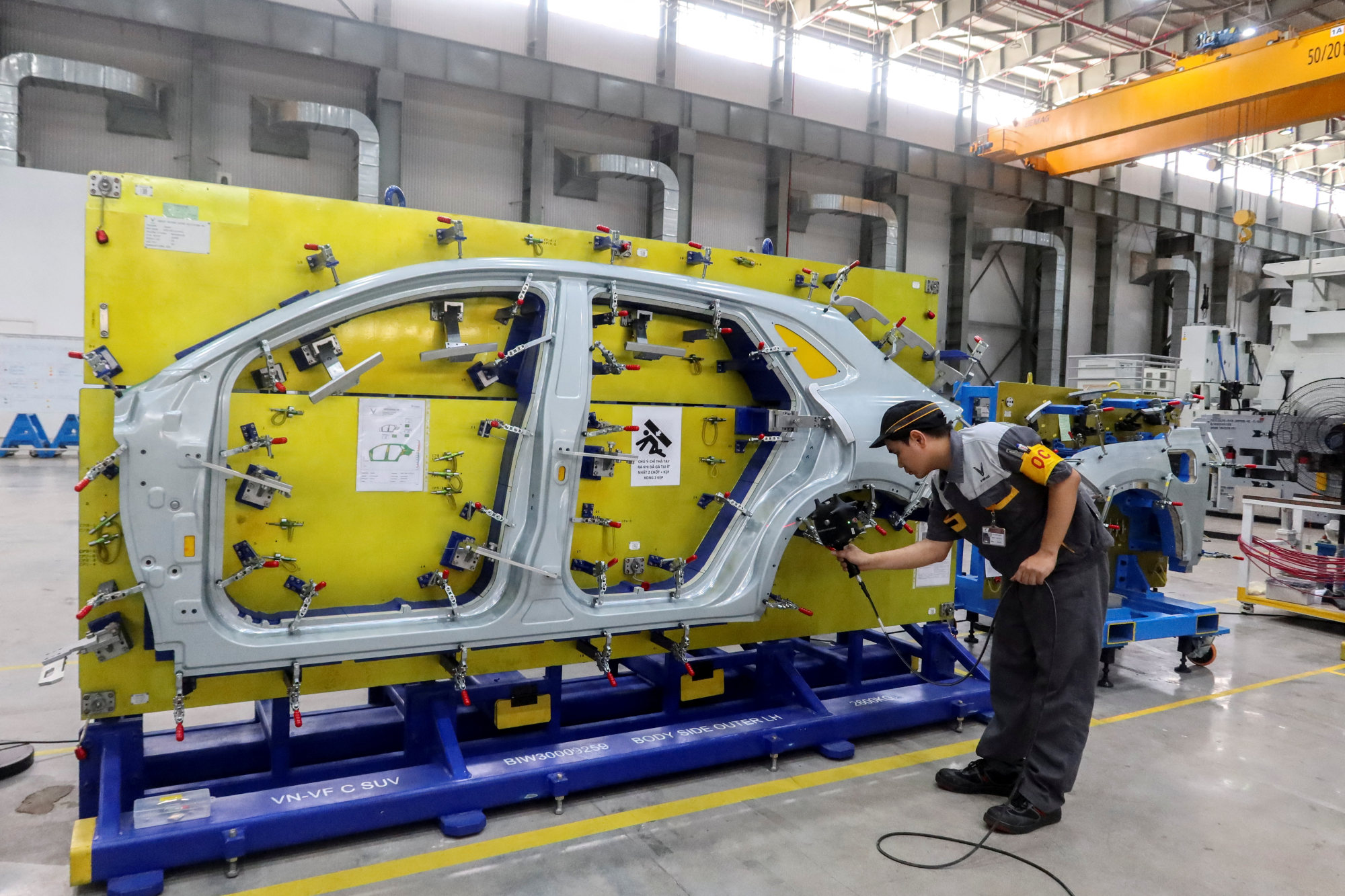
Why did Lego choose Vietnam, not China, to build first carbon-neutral factory?
-
Toy behemoth’s move reflects how like-minded multinational firms are diversifying supply chains away from what has been known for decades as the world’s factory
-
Lost investment dollars amid the US-China trade war and pandemic have sparked concerns within China, but analysts explain how Southeast Asia’s gains are limited
Vietnam has been seen as one of the major beneficiaries of the US-China trade war with firms seeking alternative locations for their factories to avoid costly tariffs. Post reporter Erika Na recently travelled to Vietnam, and her three-part series looks at how the Southeast Asian country has fared over the last four years. In this second part, she delves into the impact on China’s status as the so-called world’s factory.
Lego, the world’s No 1 toymaker by revenue, recently broke ground in Asia on the company’s first carbon-neutral factory – a sprawling US$1 billion development that will span 44 hectares (108 acres) when it opens next year.
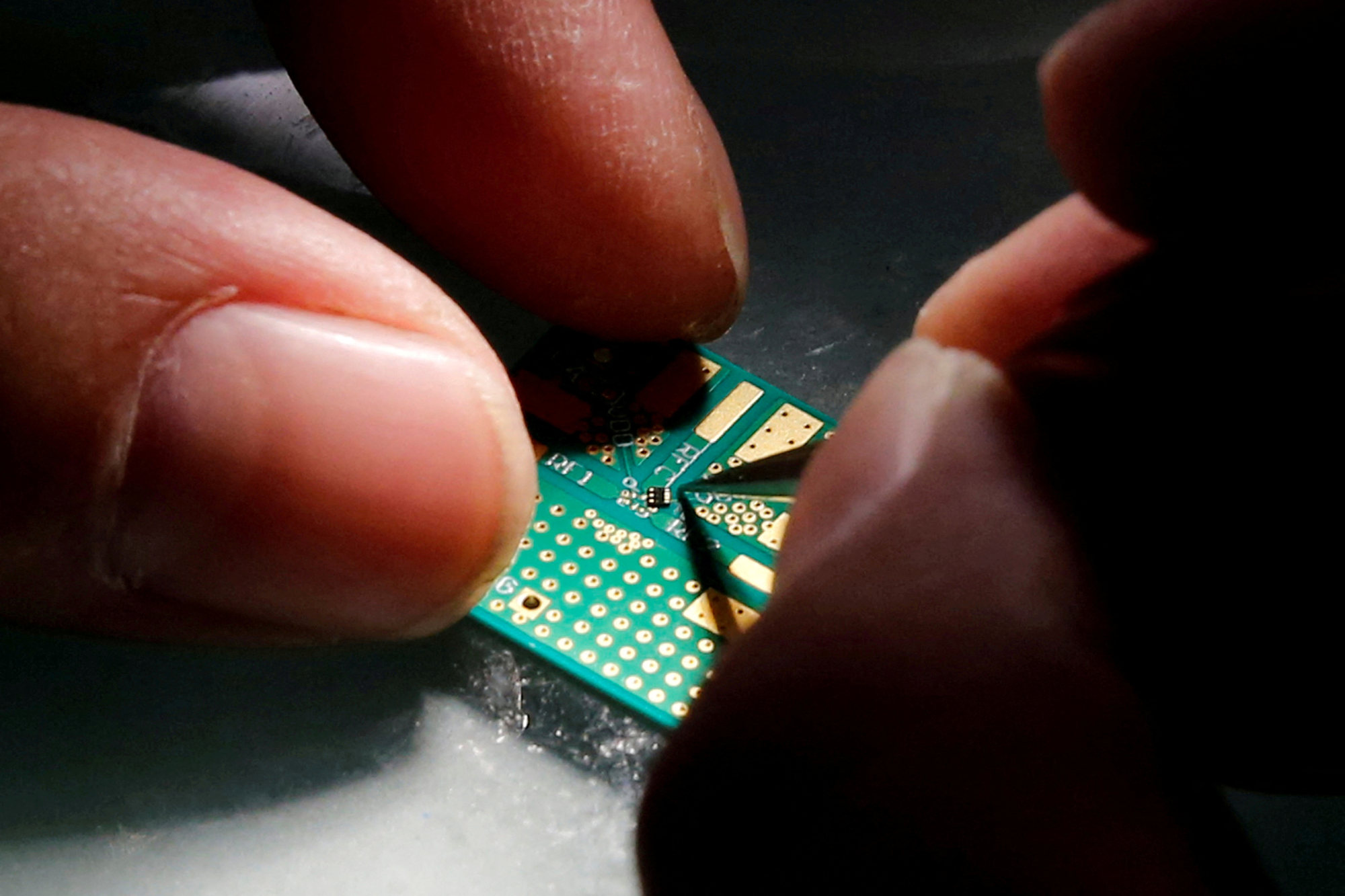
Normally bellicose China’s meek response to US chip restrictions raises eyebrows
-
Beijing typically ‘retaliates fully plus 10 per cent’, but this time it doesn’t seem to have many punitive options
-
‘It is a puzzle,’ says an American analyst. ‘On everything else, they seem to have skin that’s thinner than Saran Wrap.’
China has a long history of biting back when other countries adopt policies it does not like. In 2020, when Australia called for an investigation into the origin of the Covid-19 virus, it was hit with duties and bans on barley, wine, wheat, wool, copper, timber and grapes totalling over US$1.3 billion.
After Meng Wanzhou, chief financial officer of Huawei Technologies, was detained in Canada in 2018 for allegedly violating US sanctions against Iran, Beijing quickly detained two Canadians in China and blocked or slowed a slew of farm imports from Canada.
Global Impact is a fortnightly curated newsletter featuring a news topic originating in China with a significant macro impact for our newsreaders around the world.
Sign up now!
More from South China Morning Post:
- Global Impact: China takes down its Covid-19 barriers, Xi Jinping hails a ‘light of hope’
- Global Impact: China ends 2022 with a bang with the end of zero-Covid, but what’s around the corner in 2023?
- Global Impact: China’s zero-Covid policy exit provides another test for its beleaguered economy
- Global Impact: food as identity is nothing new – but for the Asian diaspora, the world is finally listening
- Global Impact: Xi Jinping urges China to ‘write a new chapter of socialism with Chinese characteristics’ after Jiang Zemin’s death
For the latest news from the South China Morning Post download our mobile app. Copyright 2023.
Already a subscriber? Log in
Get 20% OFF The Star Digital Access
Cancel anytime. Ad-free. Unlimited access with perks.


