




Hong Kong’s Equal Opportunities Commission (EOC) chief Ricky Chu Man-kin admits he is surprised that the watchdog has been kept so busy during the Covid-19 pandemic.
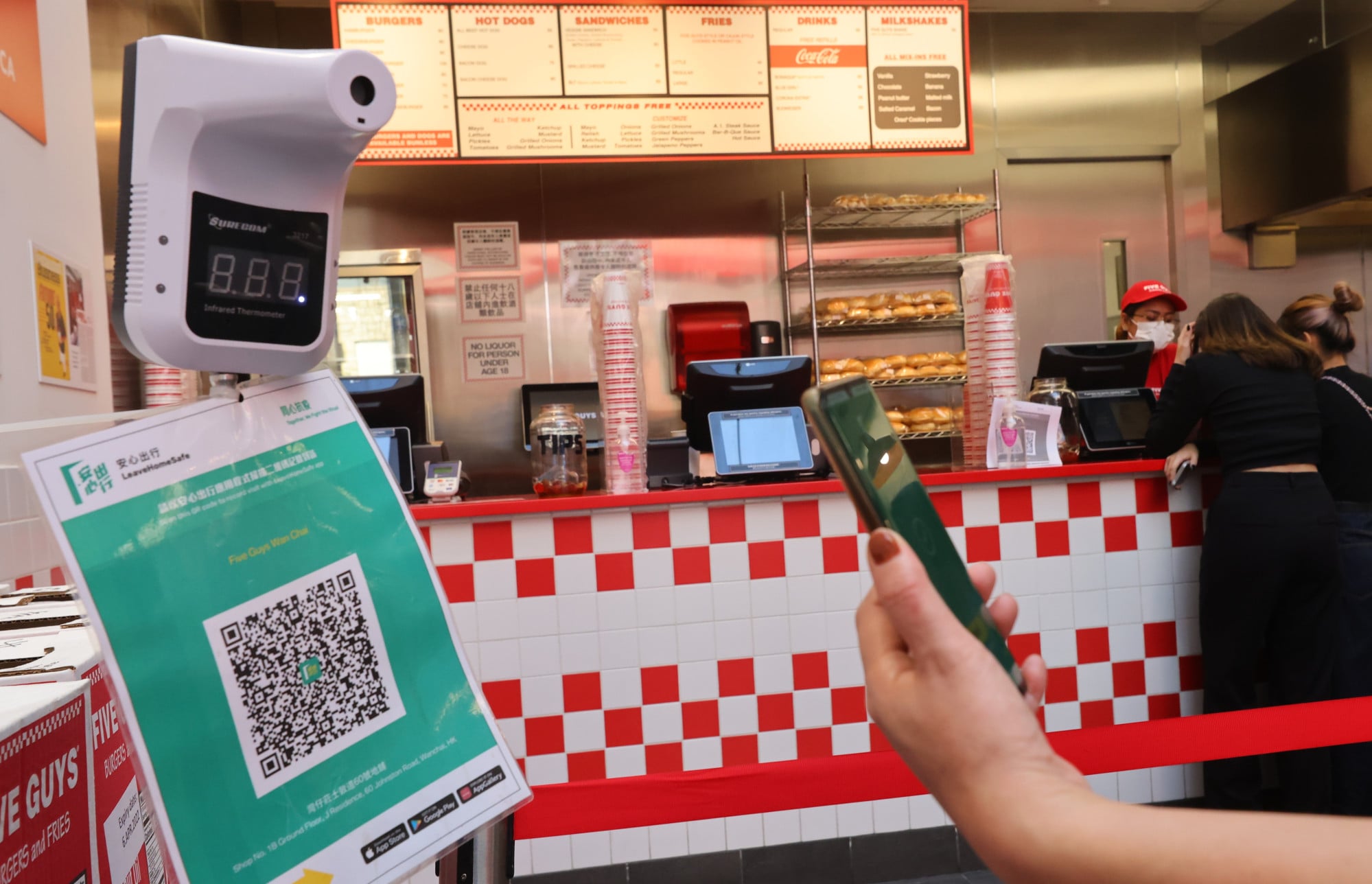
Several issues kept turning up over the past two years, from residents who did not want pandemic clinics near their homes, to racism towards ethnic minority food deliverers, and elderly Hongkongers struggling to cope with the roll-out of the “Leave Home Safe” risk exposure mobile app.
“Really, back in January last year, we didn’t think the EOC would feature that much in the pandemic scenario,” Chu said in an interview with the Post.
Do you have questions about the biggest topics and trends from around the world? Get the answers with SCMP Knowledge, our new platform of curated content with explainers, FAQs, analyses and infographics brought to you by our award-winning team.
The body received more than 1,500 inquiries and 255 complaints relating to the pandemic over the past two years.
Soon after the coronavirus hit in February last year, residents were unhappy when the government designated some clinics to deal with the contagion that was not yet fully understood.
Some protested against having the clinics near their homes, in what the commission said reflected their “Nimby” – “not-in-my-backyard” – attitude.
“We talked about it. We issued a public statement asking people not to think that way,” Chu recalled.
Then it had to deal with discrimination against health care workers who could not book hotel rooms. Some did not want to return home, to avoid accidentally taking the virus to their families.
It had to appeal to the public to be more tolerant too, warning that mistreating health care workers could amount to an offence under the Disability Discrimination Ordinance.
At another point during the pandemic, some Hong Kong residents of ethnic minority backgrounds found themselves stranded overseas as a number of countries imposed lockdowns.
Some communities with more resources managed to liaise with the authorities to arrange charter flights to bring back their family members and friends, but others were worried sick.
Chu recalled that when representatives from the Nepali community sought help, the commission wrote to the government and the issue was resolved.
About half of Hongkongers say discrimination is prevalent in city: survey
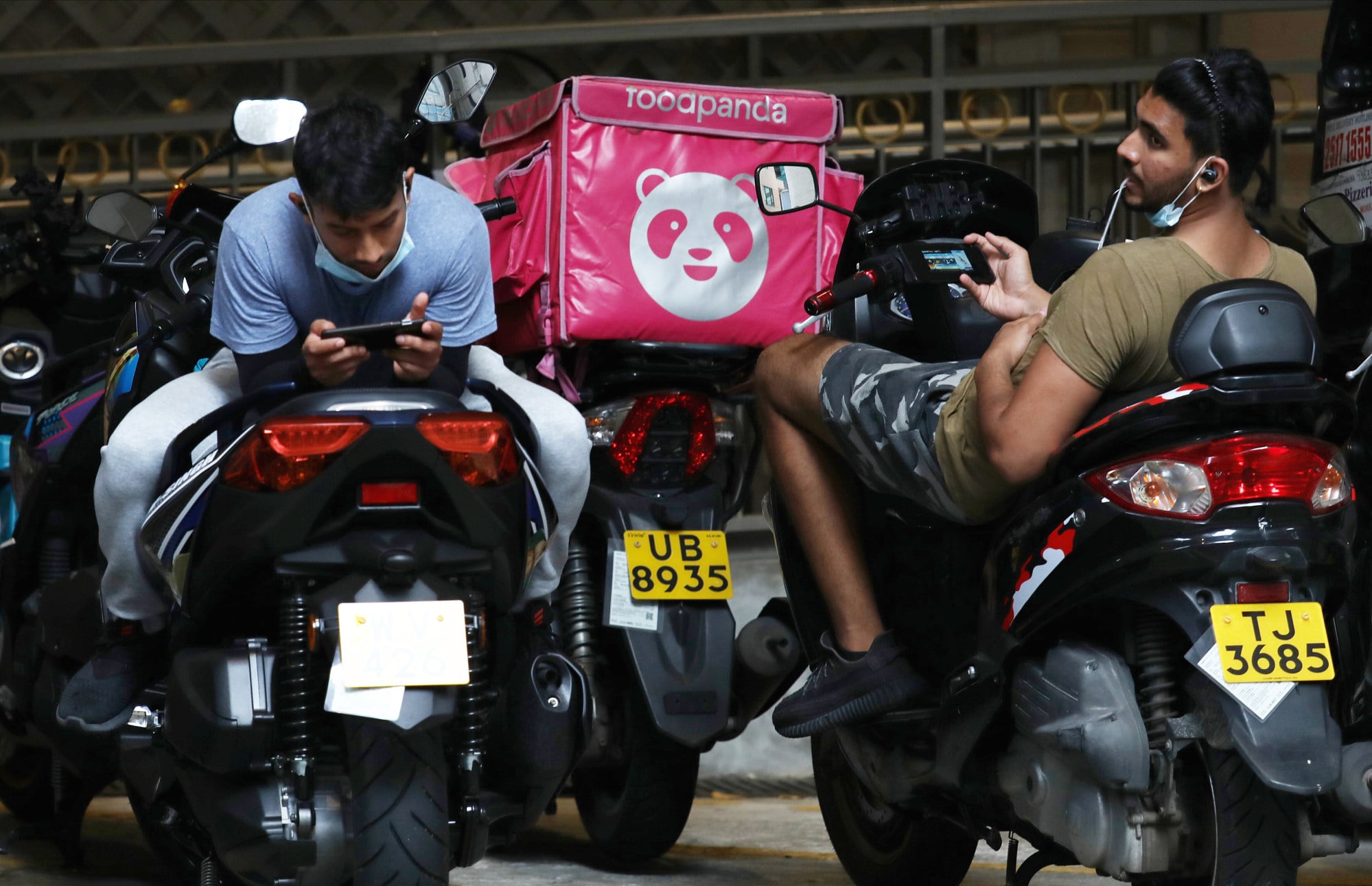
When pandemic restrictions stopped Hongkongers from dining in at restaurants, more opted for takeaway and food delivery to their homes and offices.
That resulted in complaints to the commission when some patrons of food delivery services did not want their orders brought to them by “dark-skinned people”. Chu appealed to Hongkongers to be more accepting of the workers from ethnic minority groups.
More recently, Chu has been struck by various problems faced by older Hongkongers.
Just at the start of this month, he was appearing on radio and television programmes, urging the authorities to exercise discretion in mandating the use of the “Leave Home Safe” app for entry to eateries, markets and other public areas, as elderly people were not comfortable with using technology and some did not even have a smartphone.
Is compulsory use of ‘Leave Home Safe’ boon or bane for Hong Kong restaurants?
The government’s earlier move to issue digital shopping vouchers was also criticised for being unfriendly to the elderly, and Chu asked the government to be mindful of this group.
“In rolling out new measures, the government should always take into consideration that Hong Kong has an ageing population,” he said. “We will have more people who are over 65 years old in the next five years.”
Age-related discrimination was an issue Chu was eager to tackle when he was appointed chief of the watchdog in 2019.
20,000 elderly Hong Kong residents to receive free smartphones to use ‘Leave Home Safe’
With his term expiring in April, he said retirement age was an issue that needed attention, as it varied from industry to industry and, despite being discriminatory, was impractical to abolish.
But he said the issue was pressing, with almost half of 1,501 people surveyed by the commission recently saying they experienced age-related discrimination.
He did not rule out having legislation to deal with age discrimination, although such a move would require more debate in society as young people were also facing more hurdles getting employed.
More from South China Morning Post:
- Insulted, humiliated, shunned: Hong Kong’s mainland Chinese immigrants face unending discrimination in struggle to feel at home, survey shows
- Sephora Hong Kong announces training on unconscious bias and inclusivity for all staff by end of August, is ‘sorry to hear’ about alleged racist behaviour
- Sephora Hong Kong accused of racial profiling, Pakistani woman calls for boycott of the brand after ‘rude and racist’ treatment by its staff
- Head of Hong Kong’s biggest international school group admits ‘unconscious bias’ on campus after accusations of racism and sexism
For the latest news from the South China Morning Post download our mobile app. Copyright 2021.
Already a subscriber? Log in
Get 20% OFF The Star Digital Access
Cancel anytime. Ad-free. Unlimited access with perks.


