
Hong Kong’s trade office in Australia has sought to distance itself from a brewing controversy over allegations that it exerted political influence on the country’s largest Asian-themed festival to pull a cultural workshop that featured yellow umbrellas – a local protest emblem.
The furore over the cancelled workshop was such that Australian foreign affairs minister Marise Payne waded into the fray during a Senate hearing on Thursday, saying Canberra would follow up on the matter.
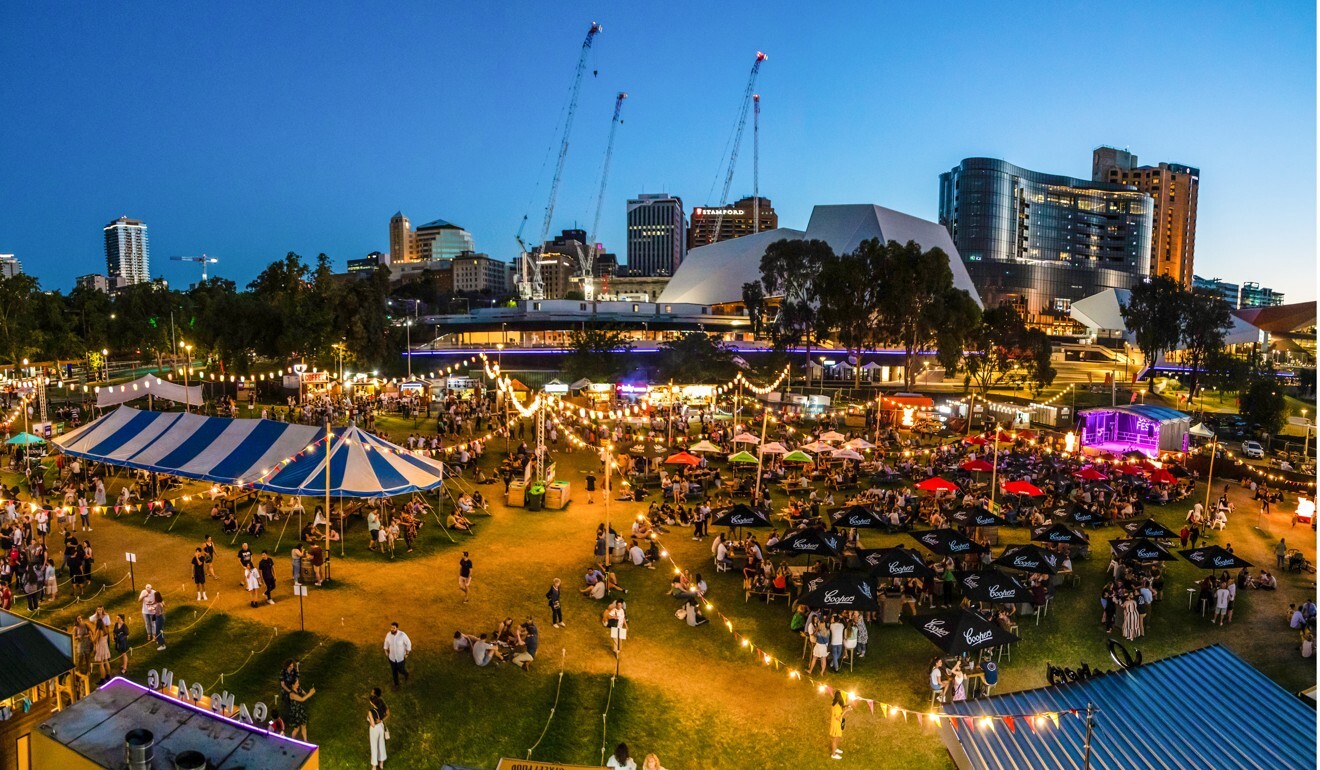
At the centre of the allegations is a proposed workshop by the Adelaide-based Hong Kong Cultural Association of South Australia that would have taken place at the OzAsia Festival, which kicked off last week and runs until November 7.
Do you have questions about the biggest topics and trends from around the world? Get the answers with SCMP Knowledge, our new platform of curated content with explainers, FAQs, analyses and infographics brought to you by our award-winning team.
The Hong Kong Economic and Trade Office in Sydney is listed as one of the “executive festival partners” for this year’s event, according to the OzAsia Festival website, as is the Australian government. The Confucius Institute at the University of Adelaide is one of its “programme partners”.
The association had planned an interactive workshop that would have taken visitors through Hong Kong’s food and cultural scenes and illustrated a century of transformation, from humble fishing village to international financial centre. The association told local media that it had intended to put on the workshop last weekend.
How Lennon Walls showcase art and design of Hong Kong protests
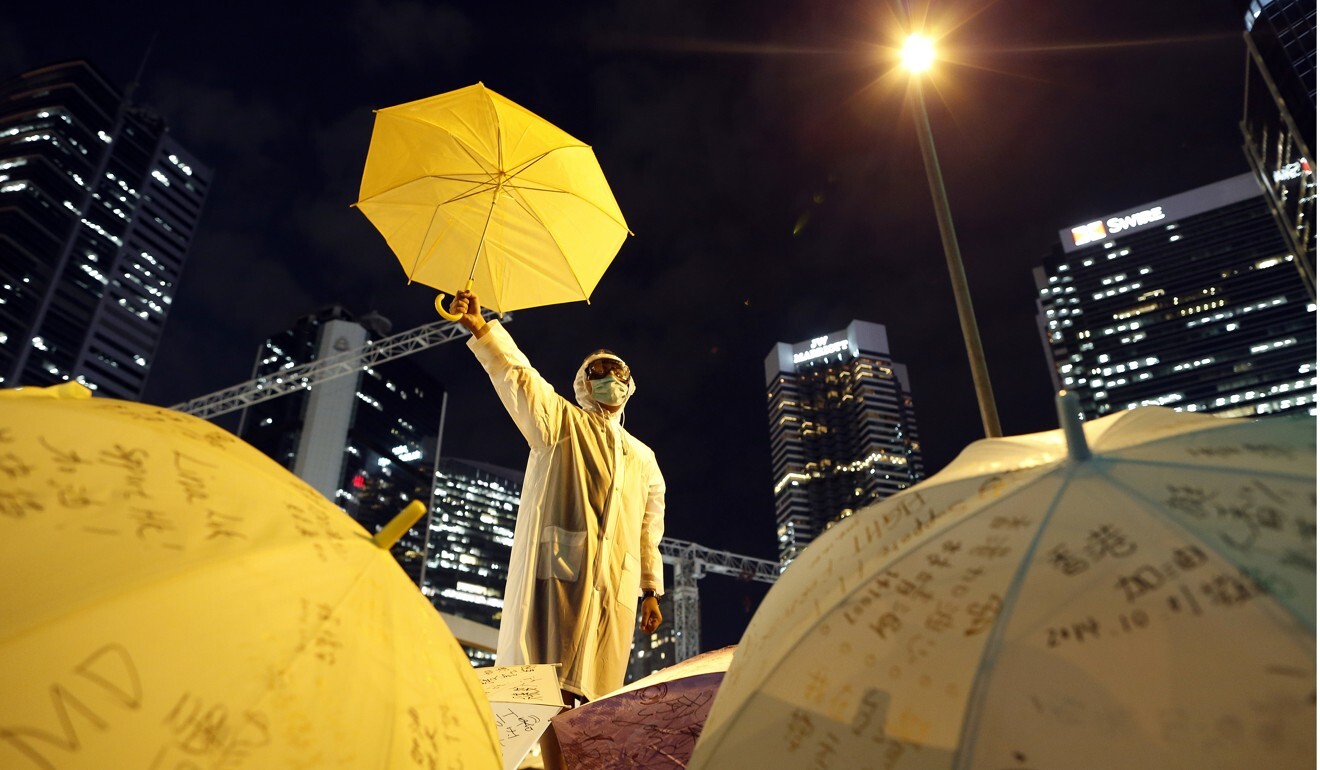
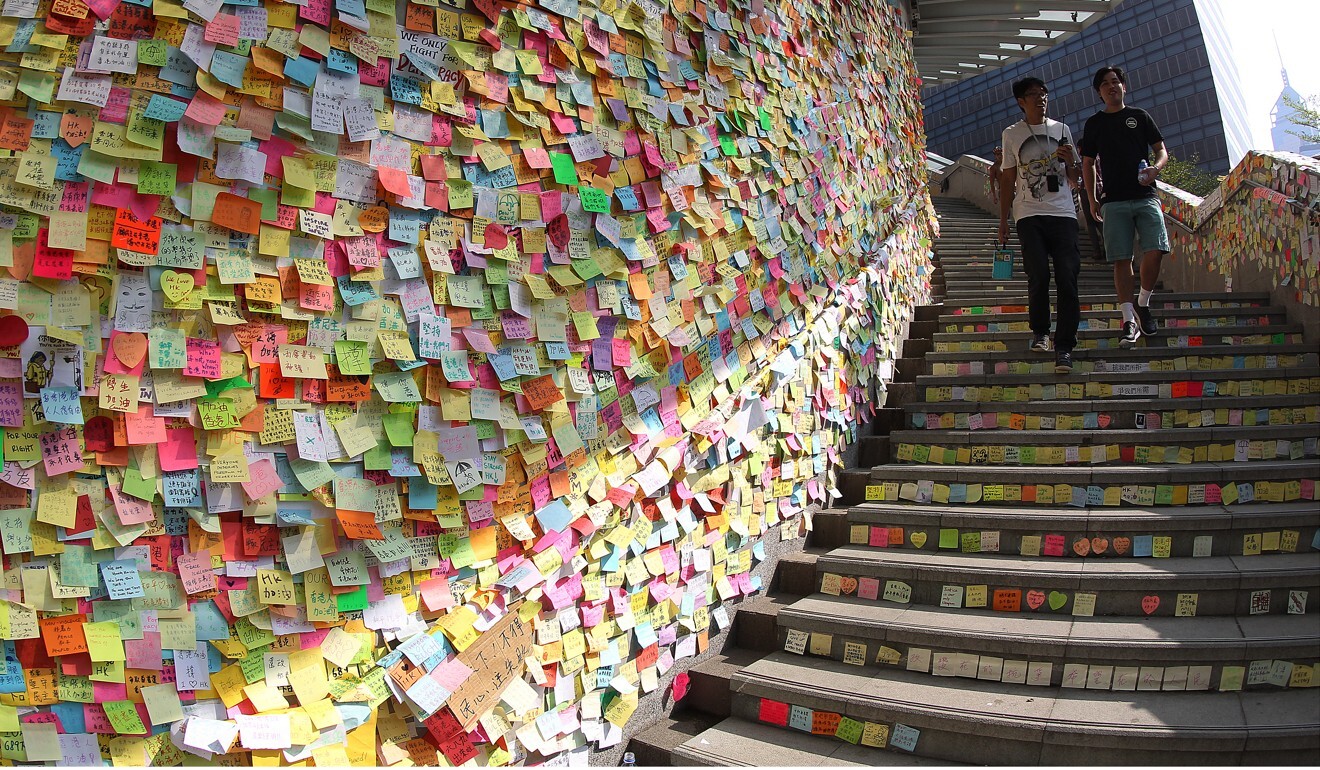
The event also would have included a “Lennon wall”, another local symbol of protest common during the city’s “umbrella movement” in 2014 and the anti-government unrest of 2019. Umbrellas – a fixture of the city’s protests for years – in the colour associated with the Hong Kong pro-democracy camp, yellow, were to be used as decorations.
But last month, the association said festival organisers told it that the use of yellow umbrellas would not be permitted.
“With regards to the yellow umbrellas, we found this online,” the organiser said in one email linking to the Wikipedia page for the umbrella movement, according to a report by the Australian network SBS.
“Unfortunately, we are unable to approve the use of the yellow umbrellas as props or decor. Thank you for your kind understanding.”
The organisers also later said they could not supply the association with audio equipment. Then, late last month, the organisers said the association’s show, along with others to take place in the Lucky Dumpling Market section of the festival, had to be cancelled altogether because of Covid-19 restrictions.
Association spokesman Janet Leung said she was “shocked” by the development.
“Obviously the OzAsia organisers linked the yellow umbrellas directly to the 2014 umbrella movement ... that was not our intention at all,” she told a local media outlet.
“We feel the yellow umbrella is a symbol of contemporary Hong Kong culture ... and it’s eye-catching. We respect that the event is meant to be family-friendly, not political.”
Leung characterised the move as an act of censorship, and questioned the role the Hong Kong government and the Confucius Institute might have played in the organisers’ decision.
She also told SBS that a staff member with the organiser told her that if the “Chinese group or other people are not happy with your yellow umbrella display, we will be in trouble”.
In an email to the Post on Thursday, the association said: “With regard to the OzAsia Festival ‘umbrella banning’ incident, much has been reported in multiple Australian mainstream media [outlets] already. As such, we do not have any further comment.”
The Hong Kong Cultural Association of South Australia was founded last year by a group of transplants from the city, according to its website. The group describes itself as a non-partisan, non-profit organisation dedicated to promoting the city’s culture and universal values, and to helping Hongkongers in the state and new migrants integrate into local society.
Approached for comment on the situation, the Hong Kong trade office said only that the “programming arrangement of the festival is made by the organiser”.
As of late Thursday night, neither the OzAsia Festival organisers nor the Confucius Institute had responded to inquiries from the Post.
In a Facebook post, however, OzAsia said the association’s event “was one of six different workshops cancelled in Lucky Dumpling Market”.
Citing ramped up Covid-19 restrictions, it added that “unfortunately we did not have capacity to safely operate any workshops scheduled in Lucky Dumpling Market over the weekend”.
Earlier on Thursday, Elly Lawson, the Australian Department of Foreign Affairs and Trade’s first assistant secretary for East Asia, told a Senate hearing that it was aware of the allegations of censorship and outside influence on the festival’s programmes.
“We have no information from the festival that this was in fact the case. They have told us there were some items cancelled in the festival. They have told us that’s about Covid distancing and other measures,” she said.
“However, of course if there was any indication that items were cancelled further to third-party influence we would take that very seriously and we will in fact be undertaking some further discussions with the festival organisers.”
Payne, the foreign affairs minister, added that the government would follow up, telling the hearing: “The government’s position is very clear. Any political interference or censorship in arts and cultural events is unacceptable.”
More from South China Morning Post:
- For Chinese-Australians, Beijing dispute is bad for business even if bid to ‘weaponise’ trade has crumbled
- National security law: Amnesty International to close its 2 Hong Kong offices by year’s end, citing impediments to its work
For the latest news from the South China Morning Post download our mobile app. Copyright 2021.
Already a subscriber? Log in
Get 20% OFF The Star Digital Access
Cancel anytime. Ad-free. Unlimited access with perks.