MALAYSIA’s fashion identity is as diverse as the country itself.
From the multicultural streets of Kuala Lumpur to the rich Indigenous heritage of Sabah and Sarawak, the country’s different regions offer distinct traditions, materials, craftsmanship and ways of seeing the world.
For Malaysian designers, this diversity is increasingly becoming part of the conversation about where the country’s fashion industry is headed.
Rather than looking for one definition of what Malaysian fashion should look like, designers are drawing from their own surroundings and experiences, reinterpreting heritage in ways that speak to contemporary audiences.
Inspired by various cultures
For Kuala Lumpur-born designer Justin Yap, growing up in the capital meant being surrounded by contrasts.
“Growing up in KL has made me comfortable with contrasts. It is a multicultural city where tradition and modernity coexist, and this has influenced how I balance structure with fluidity in my designs,” he says.
That influence does not necessarily translate into literal references to Malaysian culture. KL, after all, does not have one singular regional craft or visual identity.
Instead, Yap looks at individual elements of Asian dress – a collar, fastening, wrapped construction or proportion – and considers how they can be reinterpreted through contemporary tailoring.
“The aim is to retain its essence without simply reproducing tradition,” he says.
His perspective also highlights why looking beyond the capital matters.
Designers working in different parts of Malaysia are often more closely connected to their own communities, local artisans, textiles and Indigenous knowledge.
“They bring perspectives shaped by their own communities, landscapes and regional practices,” Yap says. “Many also have closer relationships with local artisans, textiles and Indigenous knowledge that may be overlooked within the capital.”
A country of stories
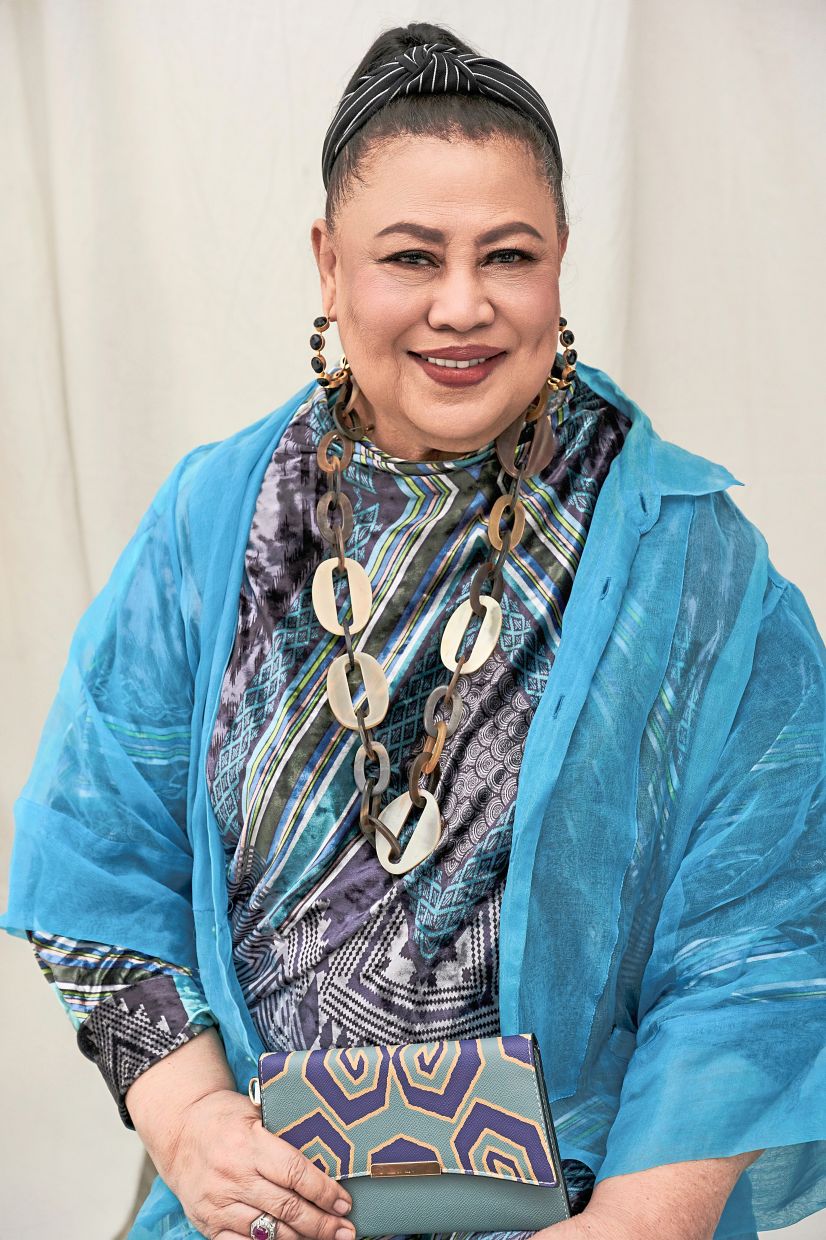
For Sarawak-born Datuk Tom Abang Saufi, regional identity has been woven into her understanding of fashion since childhood.
During her childhood in Sarawak, she was surrounded by people from different communities and traditions.
Trips to the market with her grandmother or mother exposed her to Indigenous dress, beadwork and textiles alongside Malay and Chinese styles.
“It was a fashion show all around me since I was a child,” she says.
That environment continues to inform her work, particularly her interest in the textiles and weaving traditions.
“There are so many types of weaving that we have, the songket, which is mostly Malay culture. We have the kain keringkam, then we have the Iban Pua Kumbu, but the Pua Kumbu is a very sacred fabric, and the motif is very unusual. Even though it’s like the Ikat, there is so much more to it that I get drawn to it,” she says.
Tom says her approach to Pua Kumbu involved studying and respecting its significance rather than simply reproducing its motifs.
“That’s when I started to actually maybe get inspired by this weave from the Iban community, study about them and respect it,” she says.
The challenge – and opportunity – is then to translate that heritage into something that can exist within contemporary wardrobes.
Tom describes turning the inspiration into jackets, short mini skirts and knitwear, creating pieces with a modern appearance while retaining a connection to the original visual language.
“I made them into knitwear, that’s how the modern styles that people can actually wear every day came to be,” she says.
For Tom, the value of Malaysia’s regional diversity lies precisely in these differences.
Even within Borneo, she points out that Sabah and Sarawak have distinct languages, colours, clothing and beadwork.
“Other places have their own cultural identities, from Melaka’s Nyonya heritage to the traditions found elsewhere across the peninsula,” she says.
“The DNA of these different states can be seen through the work that they do,” she adds.
From heritage to the future
The challenge now is not finding inspiration, but ensuring Malaysia has the skills and infrastructure to turn its wealth of heritage into contemporary fashion with international potential.
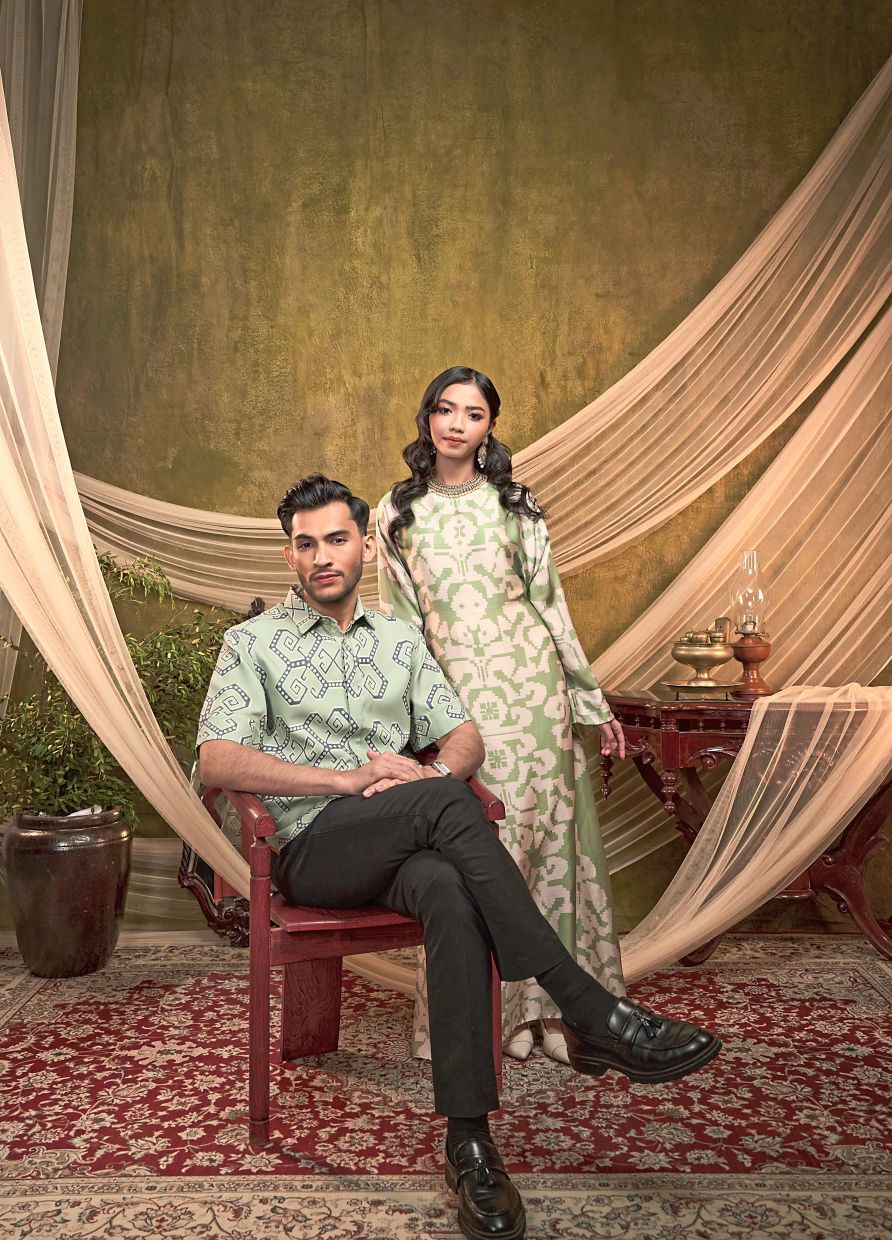
For Kenny Loh of Lord’s Tailor, an establishment that has been around for 50 years, traditional textiles such as batik and songket have long been part of Malaysia’s fashion landscape.
Their continued relevance, he believes, depends on allowing them to evolve alongside the way people dress today.
“Rather than simply reproducing traditional garments, we consider how batik and songket can be integrated into modern silhouettes and lifestyles,” he says.
That approach reflects a wider shift in thinking about heritage.
Tradition does not necessarily have to be preserved by keeping it unchanged; it can also survive by being worn, adapted and given new meaning.
“We believe heritage remains alive when it continues to be worn and appreciated,” Loh says.
But for Tom, preserving and developing these traditions also requires investment in the people and processes behind them.
Malaysia may have no shortage of ideas, colours, textiles or stories, but she believes more attention needs to be paid to production and craftsmanship.
“We have the storytelling, but what I would like to see is a much better production level,” she says.
She points to the need for better machinery, more organised support for heritage crafts and greater training for craftsmen who can continue traditional techniques while applying them to contemporary products.
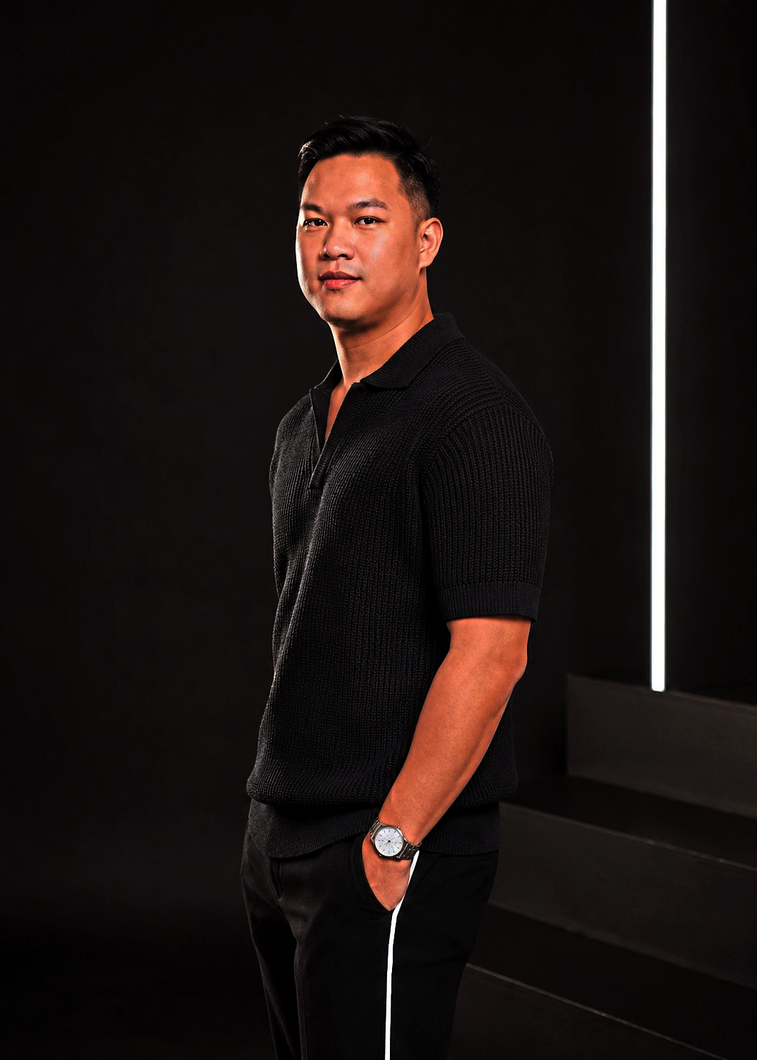
For Yap, the future lies in giving designers the freedom to explore identity without feeling obliged to make every piece overtly traditional.
“Malaysian fashion does not always have to look traditionally Malaysian; what matters is that the designer’s connection to their work feels genuine,” he says.
Ultimately, this is where the strength of Malaysian fashion lies: there is no single visual language that has to represent the entire country.
Instead, its future can be built from many voices – shaped by different states, cultures, histories and communities, but contributing to the same national story.
As Loh puts it: “Our heritage should be our foundation, not our limitation.”