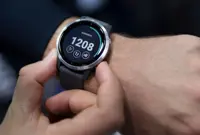
CLEVELAND: Smartwatches, fitness trackers and smart rings can help people monitor their health and build healthier habits, but physicians say the devices should be viewed as tools for tracking trends rather than diagnosing medical conditions.
The American Medical Association recently highlighted the benefits and limitations of health wearables such as the Apple Watch, Fitbit, Garmin devices and Oura Ring. The devices can track measures including heart rate, physical activity, sleep patterns and blood oxygen levels, providing users with a steady stream of health data.
Dr Aliasgar Z. Chittalia, an internal medicine physician with Geisinger Health, said wearables are generally effective at monitoring metrics such as heart rate, steps and activity levels. However, he cautioned that some readings and scores are estimates generated by algorithms and should not be treated as definitive medical information.
“The trend over time is usually much more useful than a single reading,” Chittalia said.
Doctors said wearable devices can encourage healthier behaviours by helping users stay aware of daily activity levels and other habits. But they also warned that constant monitoring may increase anxiety for some people, particularly those who already worry about their health.
Dr Jonathan Martin, a psychiatrist with Baptist Health, said people who are motivated by real-time feedback often make positive lifestyle changes. At the same time, repeated alerts or changing health scores can lead some users to become overly focused on their readings.
The AMA said patients should not panic over a single alert from a wearable device because false readings can occur. However, users should seek medical attention if repeated alerts are accompanied by symptoms such as chest pain, shortness of breath, dizziness, fainting or feeling very unwell.
Physicians also encouraged patients to discuss abnormal readings with their doctors, ask how wearable data is used in their medical care and review privacy policies to understand how their health information may be collected, shared and protected. – cleveland.com/Tribune News Service