
I recently texted my friends screenshots from two of the most intellectually stimulating and artistically accomplished video games of the past decade.
The first screenshot features a severe-looking judge with snowy white hair and beard next to the dialogue, “The bolder the dream, the more surely it becomes dust when the moment is lost.” In the other, a theatre director with jesterlike hair says, “A stage production is only good if it leaves you needing a doctor, a spa trip, a shot of morphine, a priest or a coffin.”
The images come from Pathologic 2 and this year’s Pathologic 3, psychological horror games that forgo commonplace scares for discomfort of a more cerebral kind. Filled with agonising trade-offs, the games ask how one holds on to one’s humanity under the pressure of inhumane conditions.
Set in an alternative version of the early 20th century, the Pathologic games unfold over a 12-day period and use the same cast of characters to tell, with Rashomon effect, the story of a plague-ridden town in a far-flung part of Russia. The town is populated by metaphysicians who use architecture to stimulate spiritual growth; avant-gardists who make objects that are wondrous and fatal; businesspeople who have too much power over too many; criminals of varying disrepute; humanitarians in need of protection; fantastical creatures anchored to a traditional steppe way of life whose days are numbered; and wily children who have reason to claim that they are the town’s rulers.
The theatrical aspect underpinning the Pathologic games is one of the elements that makes them so memorable.
Apart from the main characters, the townsfolk are a limited number of reused character models. This artificiality is capitalised on in memorable ways. (Think of the aesthetic mileage that Lars von Trier got from the bare-bones sets in Dogville and Manderlay.) I’ve never seen another game in which a character insists that I’m not playing the lead role in the story but a succession of different versions of the same character, nor have I had the perspective change mid-conversation so that I’m talking to my avatar.
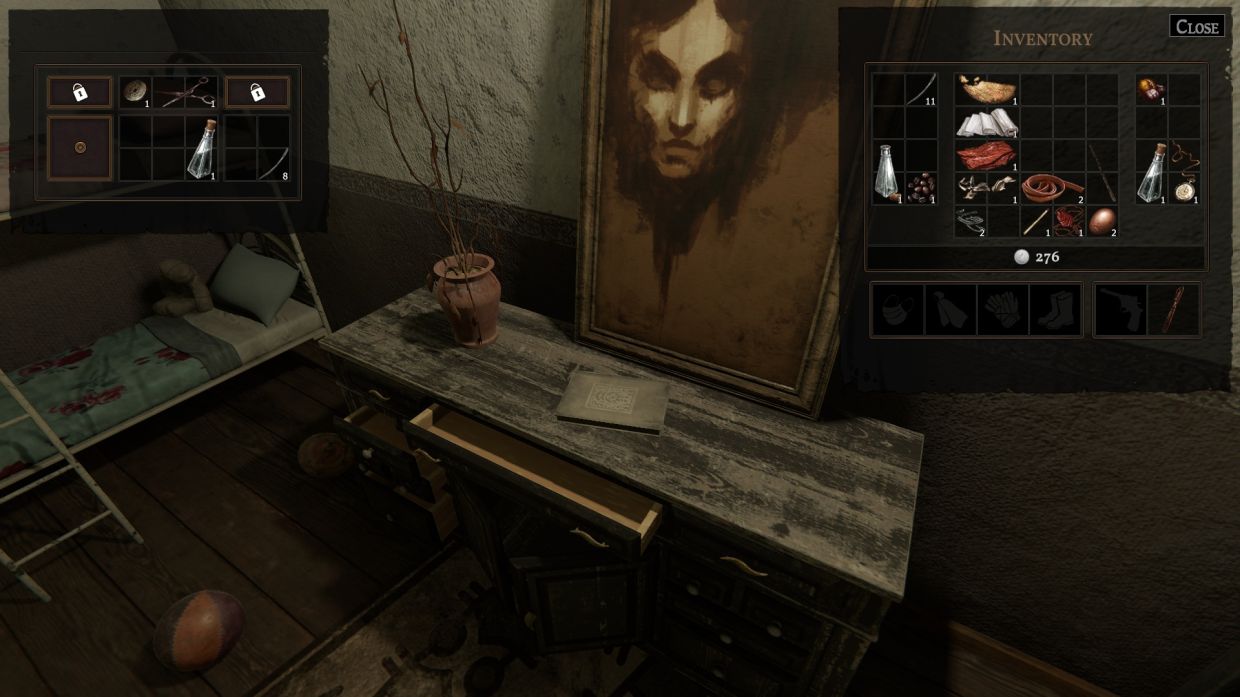
A lot of video games aspire toward a seamless simulacrum of reality. But Alexandra Golubeva, a game director at the Russian studio Ice-Pick Lodge who worked on the narratives of Pathologic 2 and 3, noted that players were more similar to an actor in a stage play than to a person in the real world. The series’s use of theatrical aesthetics, she said, “has always been there to highlight the absolute lack of freedom that you have.”
The Pathologic games – the first was released in 2005 – do something quite unusual for the medium: They place players in a position where they are helplessly ignorant and fallible, and judged harshly all the same.
Pathologic 2 (2019) explores the story of Artemy Burakh, a surgeon and the son of the town’s most esteemed medical authority, and opens on the stage of the local theatre house. Its director tells you that your performance stunk. If you ask whether he has any intention of staging the play again, he indicates that he will without you because “you’ve done nothing to improve yourself.”
In Pathologic 3 – which centres on Daniil Dankovsky, a research scientist from the big city interested in scientifically overcoming death – you are confronted by people who ridicule your past actions of which you have no idea.

After such disorienting openings, the games begin to saddle you with responsibilities (save as many lives as you can, or don’t!), ensnare you in mysteries (where does the plague come from, and does it have a purpose?), question your moral and ethical judgment (you will certainly say and do the wrong thing), and impress on you the need to rethink your assumptions (the characters, who pursue their own agendas and are not above dissimulation, will surprise you).
Pathologic 2 is notoriously difficult. A day in the life of Burakh involves managing his hunger, sleep and thirst levels, as well as his immunity to the plague. The systems for managing these are meant to give you trouble. As the plague intensifies, the prices in the stores skyrocket; it took me longer than I care to admit before I realised that trading on the black market is the way to go.
Should you decide to tweak the game’s difficulty, you will be greeted by a stern message that says the experience is meant to be “almost unbearable.” I made it to Day 5 before the game broke me; I adjusted the settings after my Burakh fell into a death spiral of poverty and hunger. Dying in Pathologic 2 incurs the reproach of the theatre director in conjunction with a ratcheting up of the game’s difficulty. I haven’t encountered such cruelty since Demon’s Souls.
“I think video games are the perfect medium to make you uncomfortable,” Golubeva said. They can be a counter to the consumption of quick-hit dopamine media like TikTok or games constructed around 30-second loops that nibble away at our attention spans. “Why not do the opposite?” she asked. “Make yourself very uncomfortable in video games, live through these jarring and tough experiences, then go back to your normal, comfortable, cosy, hopefully successful everyday life. It seems like a win-win.”
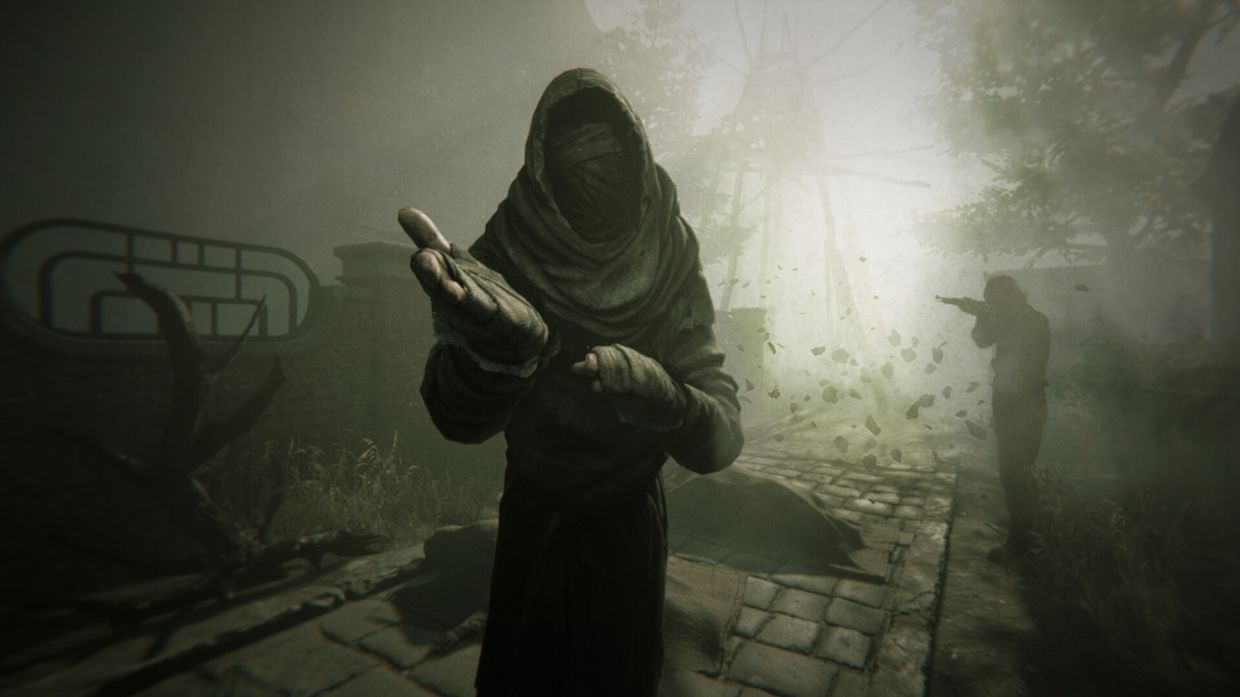
Pathologic 2 is up-front about the fact that you won’t see everything or save everyone. I was always worrying about how I would find the resources to buy my next meal, or whatever else I desperately needed.
“I think games have direct access to some negative feelings which no other medium does,” said Gabriel Winslow-Yost, a contributing editor at The New York Review of Books. “Obviously frustration, but also this feeling of increasing panic as you realise you’re not going to succeed at the various things that you want to succeed at.”
He said Pathologic 2 might be unprecedented as “a game working at a genuinely high literary and symbolic level that is also interested in causing those negative feelings.”
Pathologic 3 is structured around completely different mechanics than its predecessor. Instead of worrying about hunger or sleep, you have to steer Dankovsky’s mental equilibrium. If he’s too manic, his life drains away; if he’s too apathetic, he pulls out a gun and kills himself – unless he can think of a reason to go on.
The game also allows players to travel back in time and alter (almost) any of their decisions. But there’s a catch. The ability to manipulate time, and even load an old save file, is tied to a limited in-game resource. Run out of it and it’s game over. Oh, there is also at least one quest that will wipe out your save file.
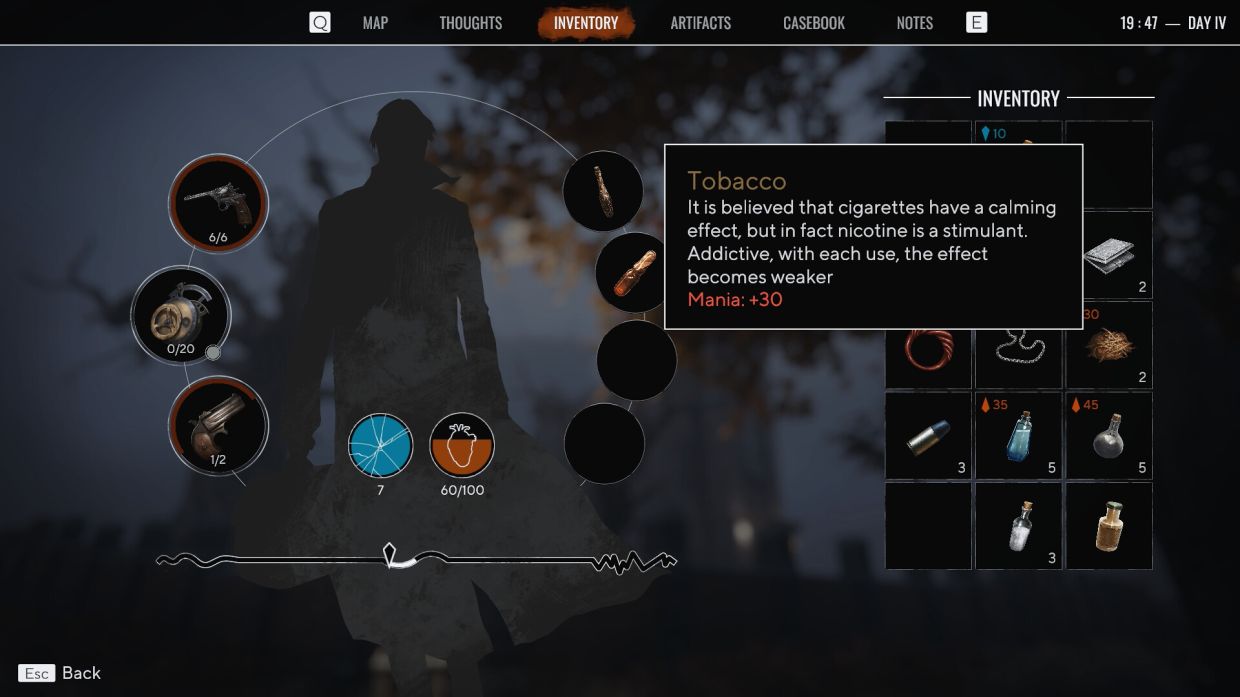
In real life, failure is common, and people tend to reframe negative events in a positive way, said Alexander Souslov, executive producer and lead game designer on Pathologic 3. “That’s the whole mythology of modern life,” he said.
But in video games, he said, you can experience the “life of your own game avatar and reflect on failure.” He added, “That bad ending, the failure is your own failure.”
The Pathologic characters are dealing with early-20th-century problems, Golubeva said. They’re living in the time when Russian avant-garde artists are asking if they can defy the laws of gravity or the laws of economics, and whether language is needed, and whether theatre needs narrative structures.
“Isn’t overcoming the state of absolute failure a sort of power fantasy?” she said, adding, “To me, honestly, I always feel good when I start with complete failure, and I get a chance to fix this catastrophe.” – ©2026 The New York Times Company
This article originally appeared in The New York Times.