




An enterprising 19-year-old student in China heads a start-up tech company and is also a philanthropist who donated 100,000 yuan (US$15,000 or RM60,215) to sanitation workers at his school.
Wei Siyuan graduated from Baoan Middle School in Shenzhen, southern China’s Guangdong province, last year and was admitted to Hunan University.
He also has another identity: the chief executive officer of a company that develops unmanned aerial vehicles and artificial intelligence (AI) powered equipment.
As a result, he has earned the nickname, “CEO in a school uniform”.
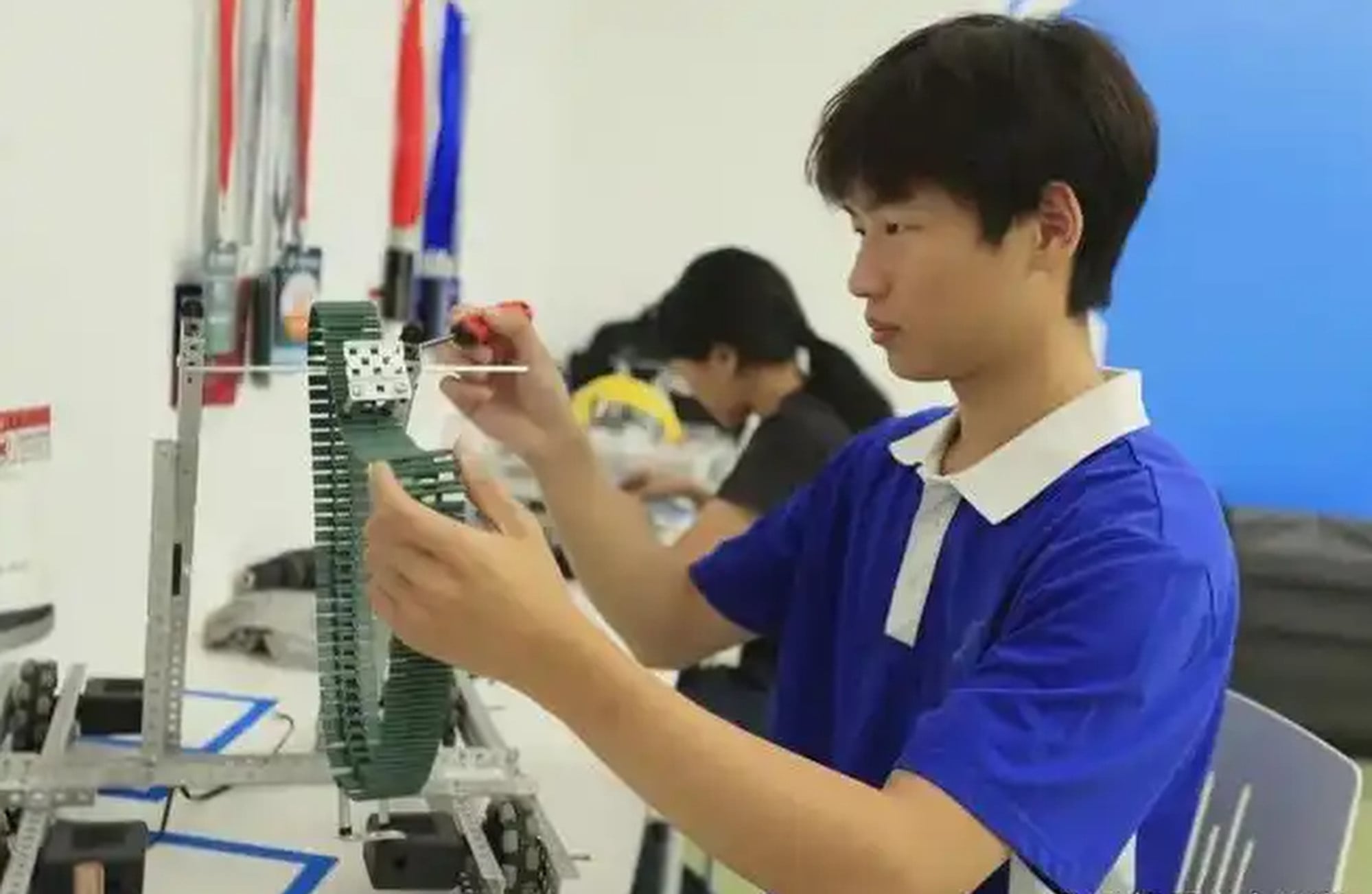
When his schoolmates were working hard towards a good university, Wei started the company with two friends who had worked together since junior secondary school.
They attended the RoboMaster, an annual robotics competition for students across China, every year during junior secondary school, and won second place in their category.
Wei registered the business license without telling his parents, who did not support his decision worrying it might hinder his studies.
Aged over 16 and legally allowed to work, Wei waited tables at a hotpot restaurant and delivered food to cover his rent and utility bills for the company.
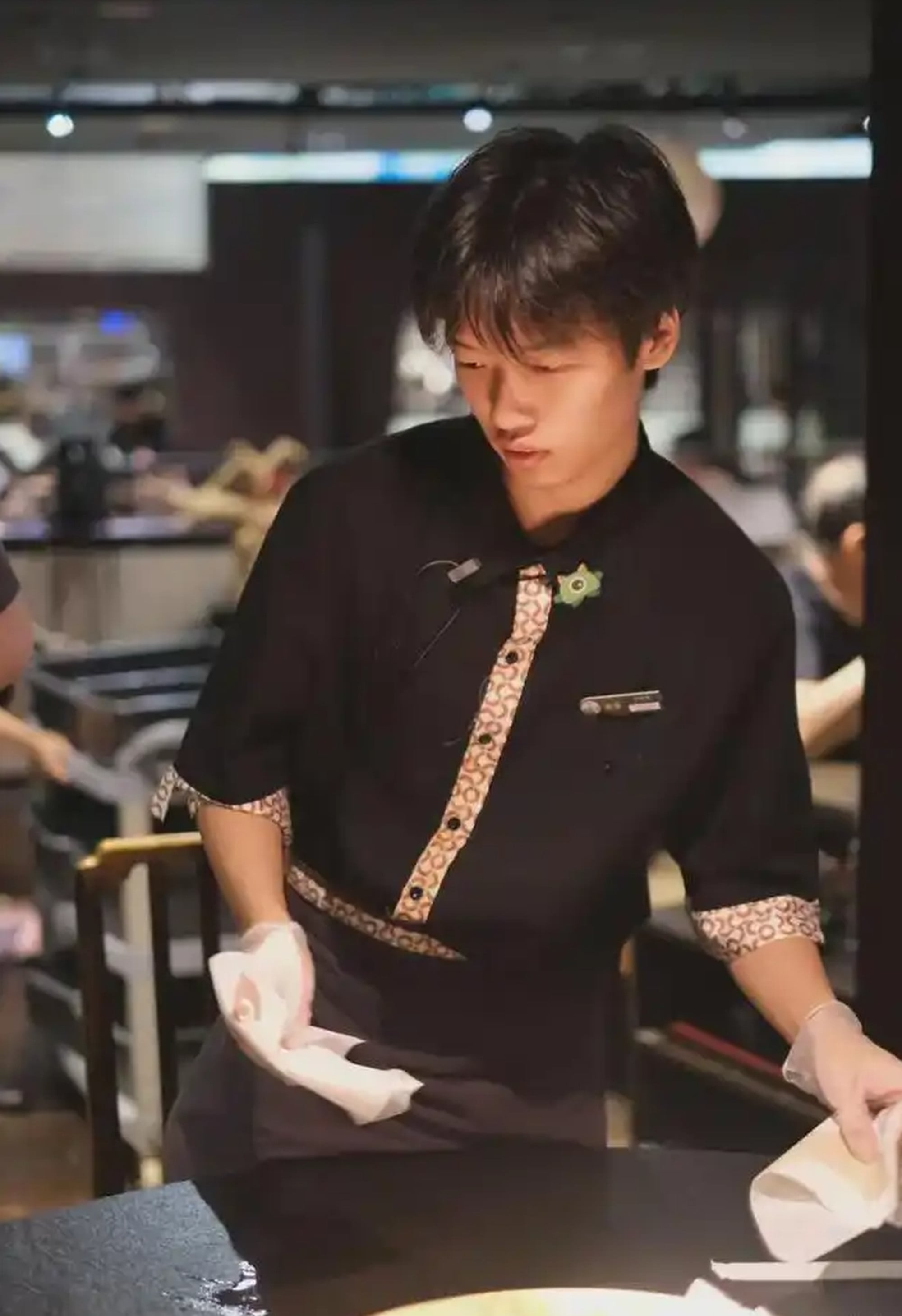
Their goal was to make affordable consumer drones. The founders built their products from scratch and outsourced the manufacturing work to other companies after completing the prototype.
They began selling their first drone product, one with a Chinese-style design, in October 2024.
By then, he had convinced his mother about his career plan. She is a foreign trade specialist and helped them set up overseas online shops to sell their products.
They soon made their first bucket of gold, which was 50,000 yuan (US$7,400 or RM30,107). Wei said he immediately used the money to pay staff salaries.
By the time he graduated from secondary school, the company had 11 employees, some of them in their 30s.
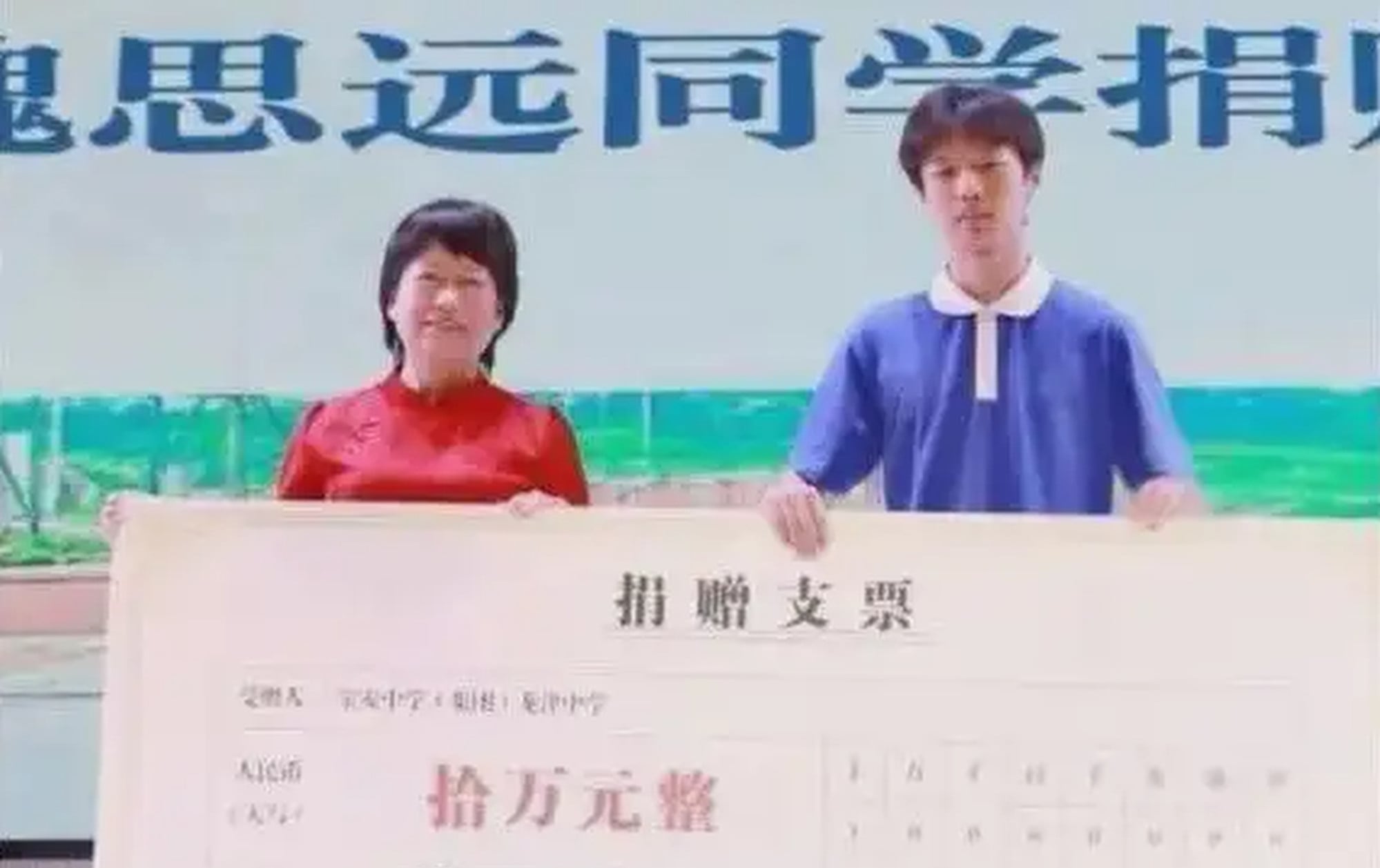
After making more money, Wei donated 100,000 yuan (RM60,215) to his secondary school to build a rest cabin for sanitation workers.
He noticed that they did not have a space to rest comfortably, and could only heat their meals by bathing them in hot water. He said he wanted to “help the hardworking sanitation workers as the company made money”.
This thought matches with the company’s goal, to make affordable tech products for ordinary people.
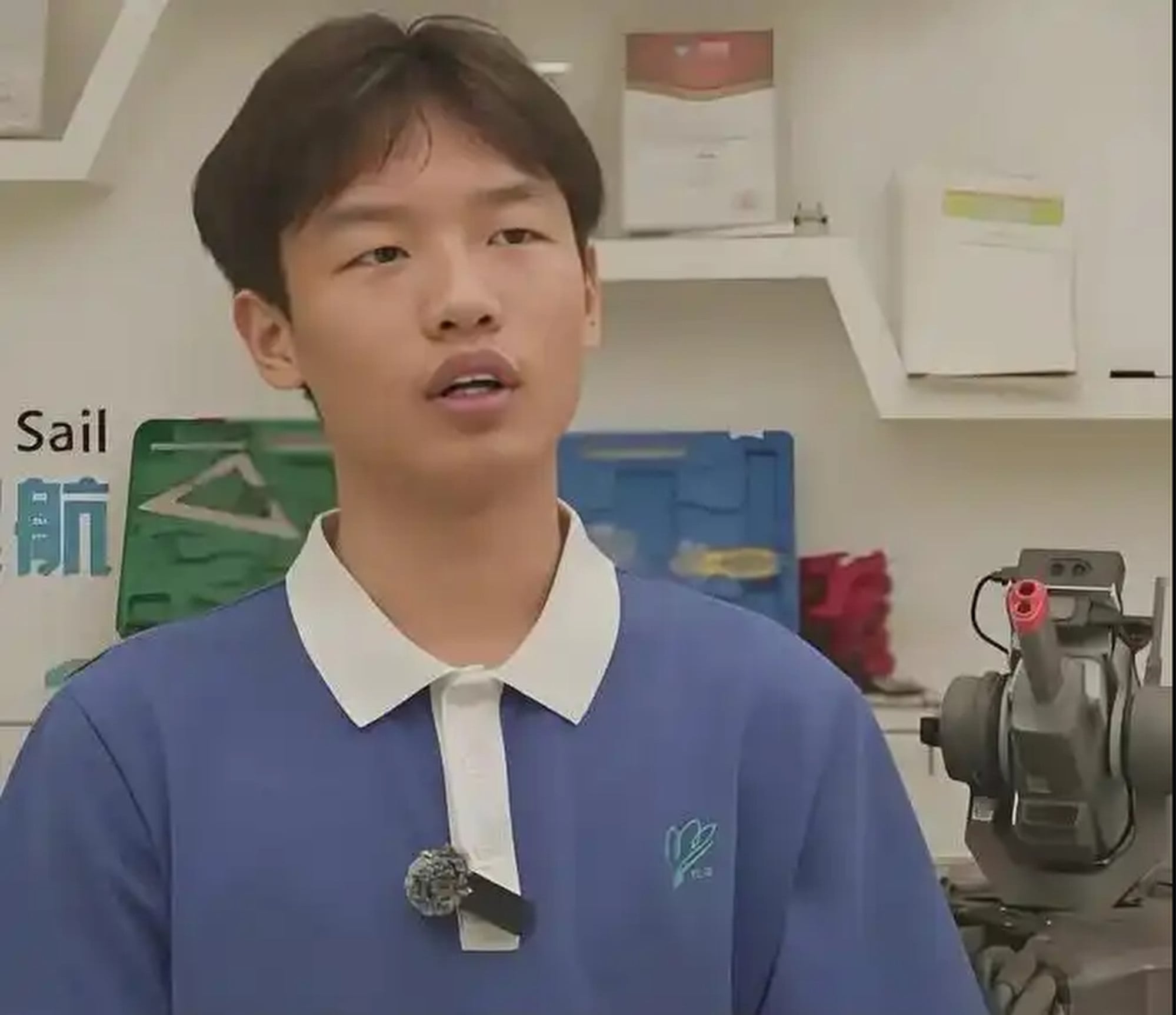
Wei was born to parents who were both ordinary workers. His mother brought him with her when she worked at her factory and he became interested in the tools there.
He also enjoyed making and assembling things as a child.
As a primary school student, Wei met a teacher who taught classes on robotics. He learned a lot of professional knowledge and decided on his “life direction”.
Wei’s mother also kept telling him to stay humble and true to his original heart.
Wei recently founded another company and released a new AI-powered product that detects a skier’s movements and coaches them accordingly.
They initially sold thousands of the product in the overseas market and are now promoting it domestically.
Wei said his role model is Lei Jun, founder and CEO of the consumer electronics brand Xiaomi.
He once waited in front of the Xiaomi automobile research and development centre in the rain, hoping to encounter Lei but failed. He said he hopes he can meet Lei one day.

Wei’s tech start-up was also supported by the Shenzhen government, which encourages the youth of the city to utilise its rich electronics resources and develop innovative products.
Shenzhen had over 150,000 start-ups founded by people under 35 as of 2024.
“A young and promising teenager. I am hopeful about the future of technology,” said one online observer.
“It is quite common in Shenzhen that a student works and has a small start-up business when they are in junior secondary school. Their parents are generally supportive,” said another from the city. – South China Morning Post


