
Apple set to pay off iPhone owners US$250mil over delayed AI Siri


The iPhone 16 was launched in 2024 with big promises of an AI-powered version of Siri – but to this date the software hasn't materialised. — dpa

SAN FRANCISCO: Back in June 2024, Apple drove fans wild with promises of an AI-powered personalised Siri assistant, even running big-budget ads for it with the launch of its iPhone 16.

Then, after the iPhone 16 topped global smartphone sales in 2025, no AI Siri came.
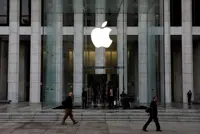
Now, Apple is seeking to settle a lawsuit over lengthy delays to its long-promised AI features with a payment of US$250mil (RM978mil) aimed at benefiting US customers who bought new iPhone models within a certain time period, according to a court filing dated May 5.

The settlement agreement was submitted to a judge in the US state of California for confirmation.

The improved Siri promised to be particularly helpful for Apple users because it would have access to users’ personal information and could work across various apps on Apple devices.

Apple announced its AI version of Siri with much fanfare at its annual WWDC developer conference in June 2024 and later boosted the hype with ads in the second half of the year ahead of the iPhone launch.

However, in March 2025 the company had to announce that the software was delayed. It later said it did not work reliably enough to be released.

Apple, struggling to develop its own in-house AI, has since entered a partnership with Google to add AI features and is now holding out the prospect of the personalised Siri for later this year. Apple has since gradually introduced other announced AI features such as live translations and text correction.

The settlement is intended to benefit US customers who bought one of the iPhone 16 models or an iPhone 15 Pro between the WWDC presentation on June 10, 2024 and Apple’s admission of the delay on March 29, 2025. With the settlement, Apple does not admit any wrongdoing.

Apple's software chief Craig Federighi had impressed fans at WWDC 2024 with new AI features like Siri's ability to tell someone if they would still make it to their daughter’s theatre performance after a work appointment was postponed.

To answer that question, the software needs to know where the postponed appointment and the performance are and to calculate the driving time based on traffic. Apple’s original plan for implementing such functions turned out to be a dead end, which is why the company changed course. – dpa

Follow us on our official WhatsApp channel for breaking news alerts and key updates!

Others Also Read