
PUTRAJAYA: Digital Minister Gobind Singh Deo said today (April 21) that the country must be ready for the rise of quantum computing, as it stands to drastically transform digital security on a global scale.
While the technology promises a leap in processing power, it is also predicted to be capable of breaking cryptographic codes used to encrypt data.
This has serious implications for data protection and information integrity, Gobind said at the "Preparing for Tomorrow's Threat: The Impact of Quantum Computing on Internet Security" event in Putrajaya, organised by Mynic Bhd, a Digital Ministry agency handling Domain Name Systems (DNS) in the country.
He added that transitioning to post-quantum cryptography (PQC) is an urgent matter for the country.
"We want to build the ecosystem now so that when this new technology actually reaches Malaysia, we are ready for it. As opposed to the reverse, where you have new technology that has been introduced and has been used widely, and at that point in time, we are struggling to deal with it. So I think we are ahead of the curve," he says
Also at the event was Datuk Prof Dr Muhammad Rezal Kamel Ariffin, the director of the Malaysia Cryptology Technology and Management Centre (PTPKM), who gave a talk on the need for Malaysia to develop quantum-resilient infrastructure.
He pointed out that while existing cryptographic algorithms would take millions of years to crack using a traditional supercomputer, this could be shortened to mere hours once quantum computers are mature.
This is because such algorithms are based on mathematical problems that could be broken by the higher computational power of quantum computers.
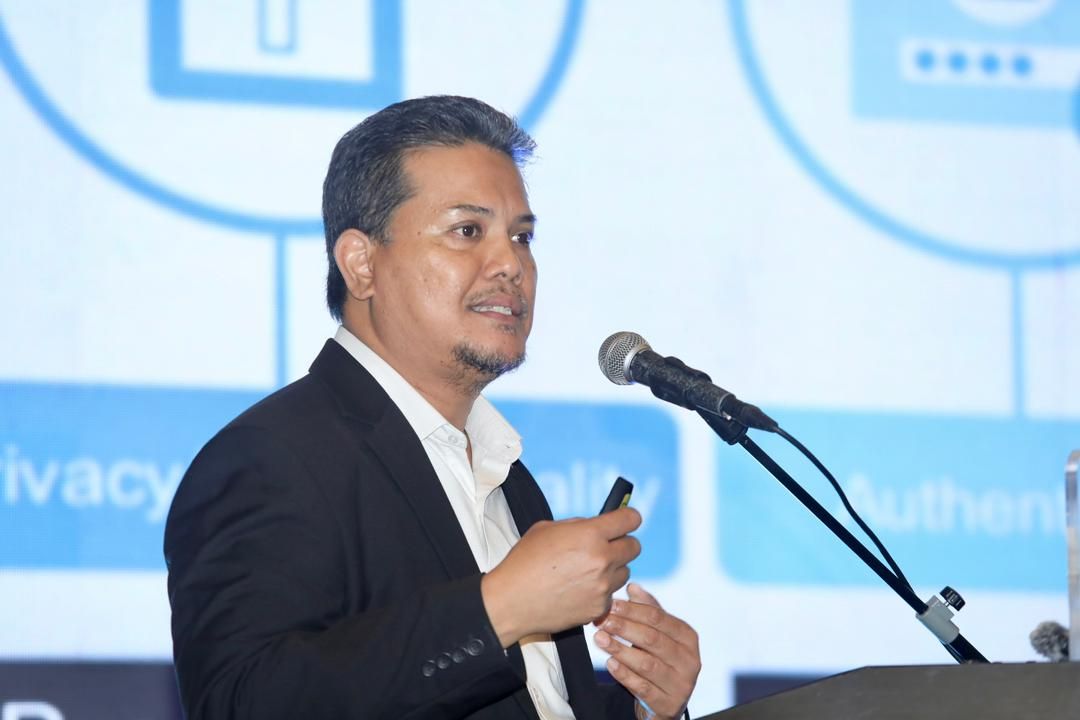
While he said quantum computers are not yet powerful enough to break existing cryptographic methods, some bad actors may adopt a “harvest now, decrypt later” strategy, where encrypted data is collected and stored long-term until it can eventually be decrypted.
Prof Muhammad Rezal further said PTPKM is targeting a full migration to PQC algorithms for government and National Critical Information Infrastructure (NCII) sectors by 2030, adding that quantum computers are expected to become more widely accessible after that.
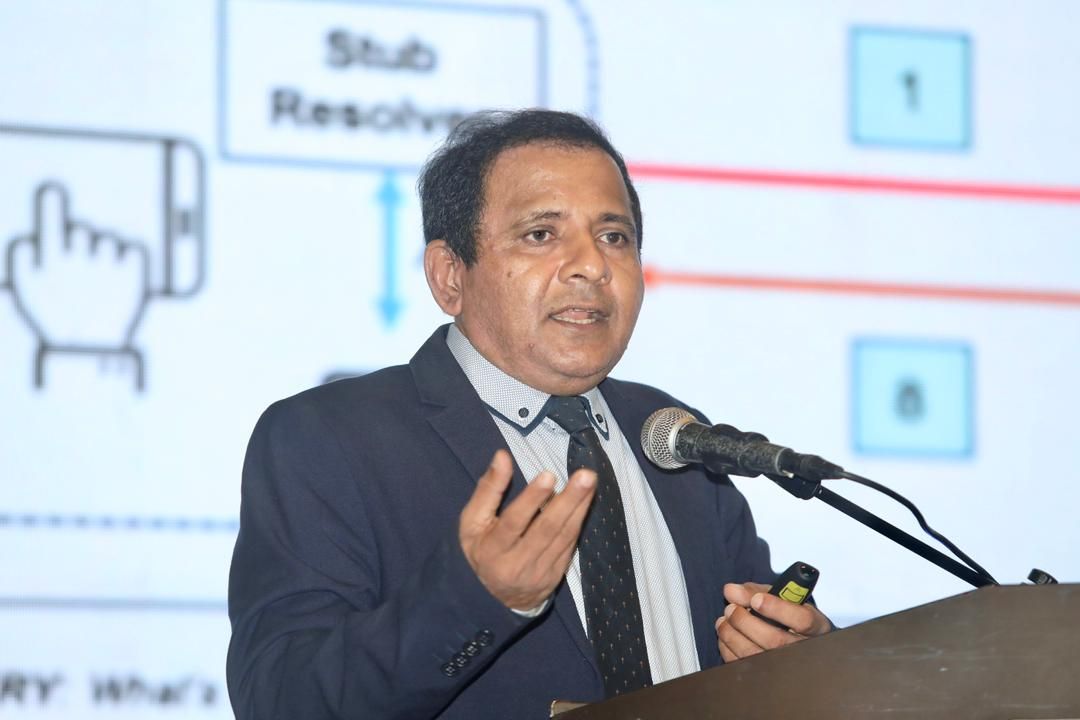
Another speaker, Champika Wijayatunga, the APAC technical engagement director with the Internet Corporation for Assigned Names and Numbers (ICANN), highlighted the wider effect of quantum computing on traditional Domain Name Systems (DNS).
In cases where DNS encryption is broken, attackers could impersonate websites and redirect users to phishing sites without detection, he said.
However, he noted that quantum computers require highly controlled environments to operate, as they are extremely susceptible to noise and must be kept at temperatures close to absolute zero.
Wijayatunga added that while systems are still safe for now, the future is uncertain due to the many players developing and investing in the field of quantum computing, stressing that the preparations and precautions need to be in place beforehand.