
The year is 2016, and Russia-based indie developer Battlestate Games has just launched the closed alpha of Escape From Tarkov, a military sim-style shooter with an emphasis on realism, but with a twist: everything revolves around amassing wealth.
Unlike other contemporary shooters of the time, where winning a match usually just meant racking up the most kills or just being the last one standing by the time the battle royale craze kicked off, Tarkov took a more methodical approach.
Players – whether solo or in squads – load into a map and scrounge through abandoned buildings, factories, and resort hotels in search of valuable loot, which must then be extracted at designated points to be sold on the player-driven marketplace.
All the while, they live in fear of “chonky” players, a term for heavily geared opponents often donning high-tier and expensive equipment, hunting them down and treating them like walking loot dispensers.
This is because when a player is taken down, they lose not only the loot picked up during the match, but also everything they brought in, all of it becoming spoils for the victor.
Get out of Dodge
A decade passes, and Tarkov has finally hit Steam with its full version 1.0 release. Only now, it’s not the only kid on the block offering gamers their extraction shooter fix.
Another touchstone in the genre is Hunt: Showdown 1896, which entered early access in 2018 and remains one of the most active and longest-running entries.
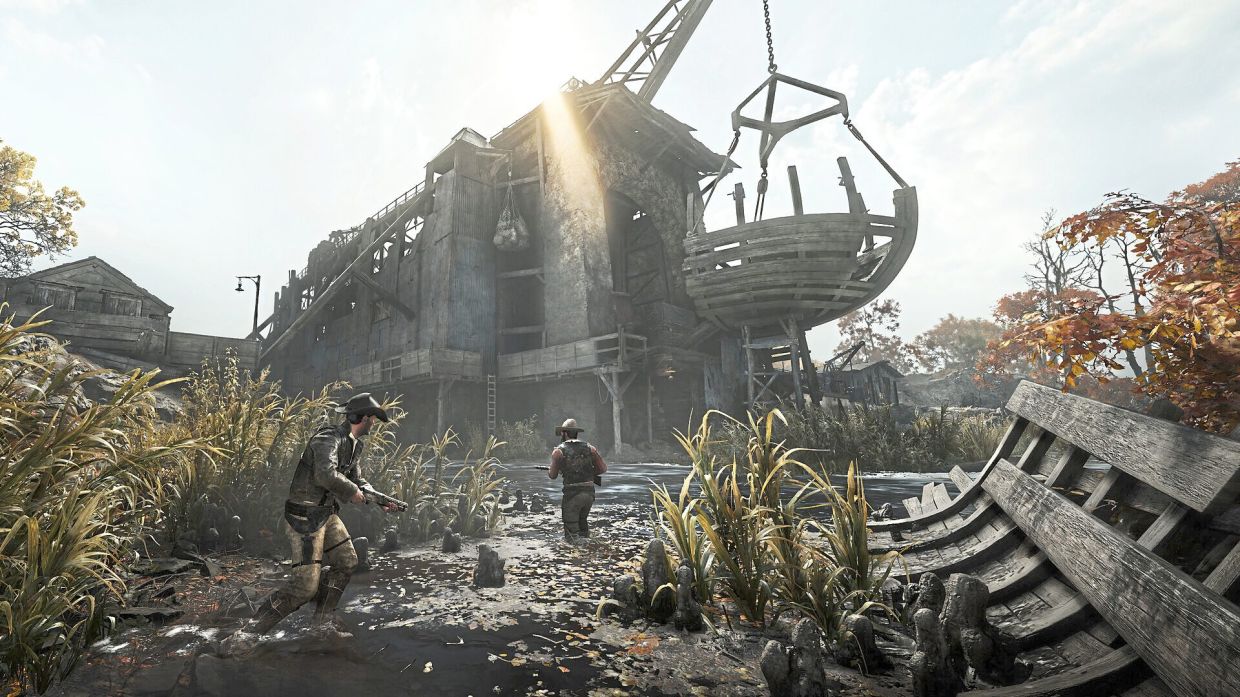
While Tarkov is distinctly military, Hunt takes on a more fantastical, supernatural western setting, with players tasked with tracking and battling monsters in the swamps of Louisiana, while competing with other players for the same quarry.
The extraction element comes after beating the map’s boss, after which they need to extract with their mystical bounty (which exposes their location on the map) while other players chase them down.
An alternative approach would be to hunt for players early in the match to wipe them all out before tackling the boss, which turns the match’s endgame into a simple, uncontested stroll to the escape point.
Since the two titles were originally unveiled, a whole slew of competitors have followed suit, looking to muscle their way in and find a foothold in the market, with mixed results.
The 2022 space-themed, player vs environment (PvE)-centric The Cycle: Frontier was shut down just a year after launch, while Marauders, which entered early access in 2022, has not seen an update since 2024 amid dwindling player counts.
Others, such as Arena Breakout: Infinite (ABI) and Delta Force, have found success by toning down the complexity of Tarkov while maintaining a similar hardcore feeling when it comes to customising loadouts, down to minute details.
True to their Tarkov and military sim roots, both ABI and Delta Force allow players to extensively customise their guns (which are largely modelled after real firearms), complete with true-to-life mounting mechanisms and types of ammo.
This even extends to how ammo is loaded into weapons, allowing players to mix rounds within a single magazine, meaning that they can slot in a handful of expensive, armour-piercing shots without needing to fully invest in high-tier ammunition to take down a heavily geared opponent.
There’s also the option to go in with only the bare minimum of equipment, scurrying around the map scavenging through the remnants of firefights in search of scraps from better-equipped players.
Oftentimes, the victors of these firefights lack the backpack slots to actually collect all the spoils of their battle – usually the weapons or “kit” brought in by their opponents – leaving leftovers for budget players as a welcome source of income.
While this might seem like a lot to take in, newer titles inspired by the format are cutting to the chase, streamlining the complexity of Tarkov with the accessible arcade experience of Hunt.
Both titles still maintain active, healthy playerbases and draw thousands of concurrent viewers on platforms like Twitch at the time of writing, but have now been overshadowed by some newer entries to the market in the last few months.
Into the limelight
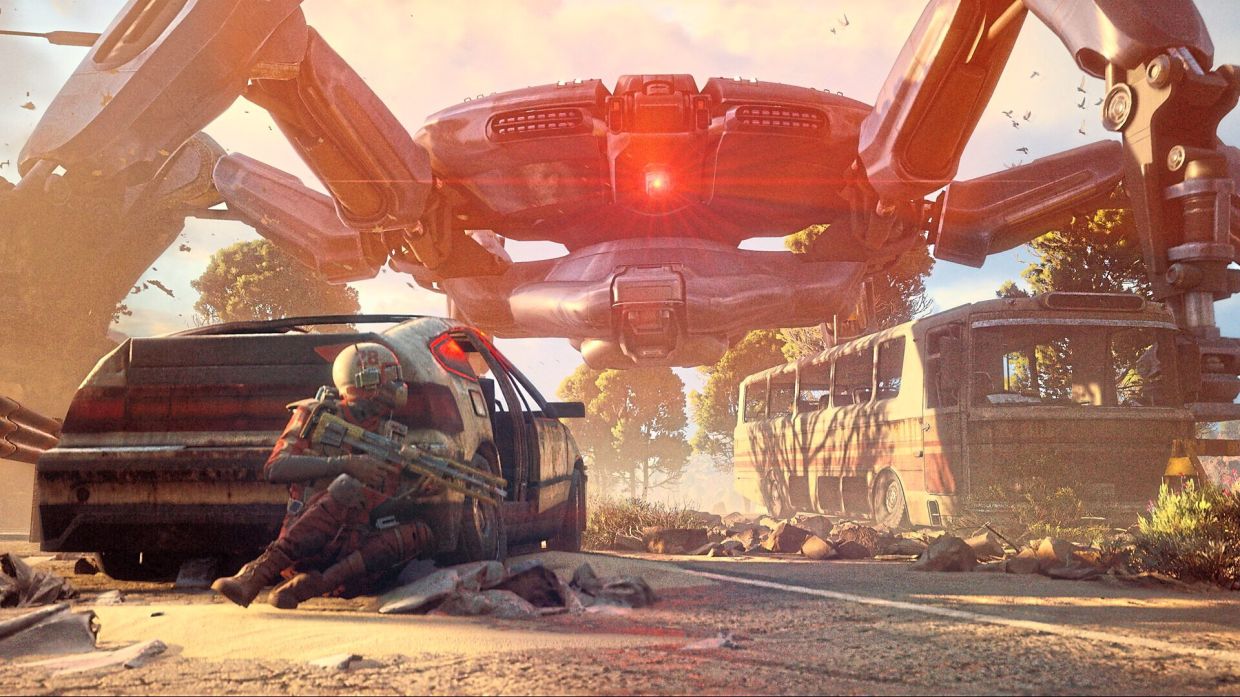
Last October’s Arc Raiders and this year’s Marathon marked a shift in popularity when it comes to the genre as a whole.
Both are now sitting among the most-watched games on Twitch, with viewer counts comparable to big new releases like Resident Evil Requiem, and esports titles with massive staying power like League of Legends, Counter-Strike 2, Marvel Rivals, Valorant, and Fortnite.
The two also indicate a push into the space from bigger studios and publishers, with Arc Raiders developer Embark Studios – owned by Nexon, a major South Korean developer and publisher – and the team behind it having extensive experience at Electronic Arts’ Dice, having previously worked on the Battlefield series.
Arc Raiders’ arrival drew a PvE-centric crowd into the genre, which had previously been home to players more keen on the “shoot first, ask never” philosophy.
While there have been previous extraction shooters that included proximity voice chat, the emphasis on challenging AI enemies in Arc Raiders has resulted in a more collaborative community, far more likely to cooperate in fighting strong bosses than its competitors.
This inserts a social element into the game, with players calling themselves out as “friendly” during encounters, which is somewhat reinforced by a matchmaking system that functions based on how prone a player is to PvP or PvE, according to a PC Gamer report.
Meanwhile, Marathon (which was developed by Bungie of Halo and Destiny fame) takes a more traditional shooter approach, with a stronger emphasis on the combat between players, coupled with events that can be completed for better loot, provided they don’t get intercepted by a third-party squad while that’s going on.
Similar to Hunt, Marathon also features bosses on the map. Alongside event locations, these serve as built-in points of interest that funnel players into the same areas, naturally flowing into encounters between players that usually end in combat.
In a way, the two represent different schools of thought, one leaning toward a more accessible, PvE-focused experience, and the other catering to the PvP die-hards.
Down the road
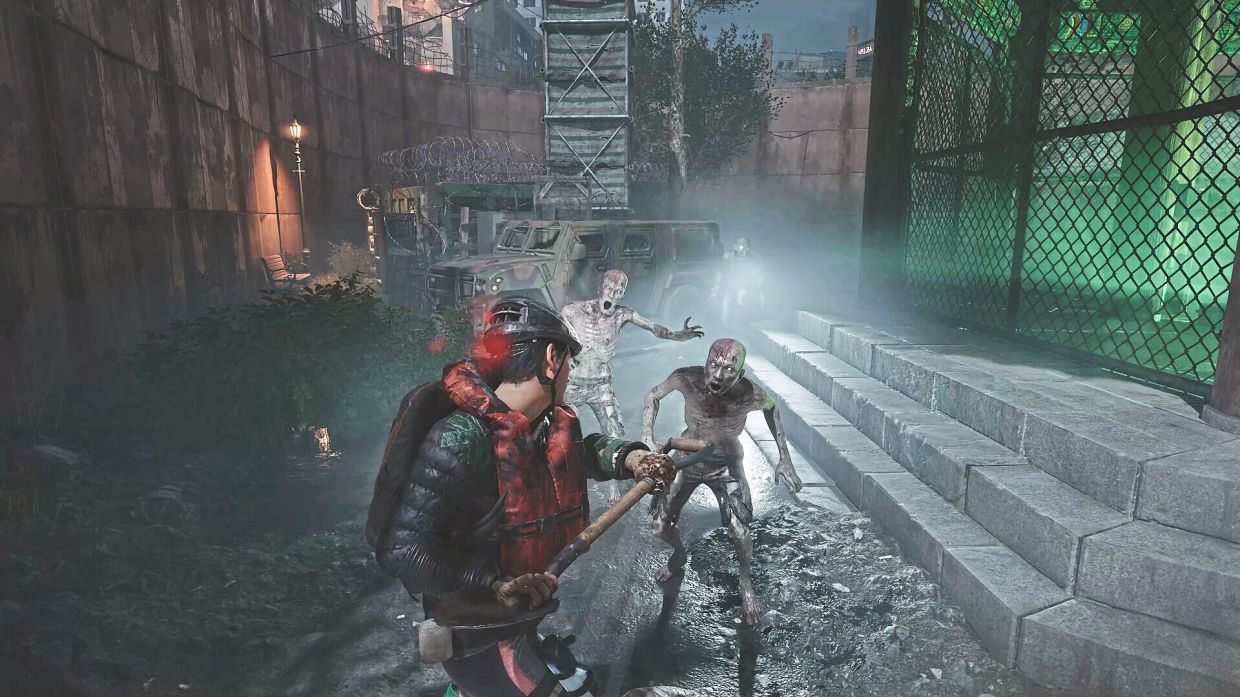
On the horizon is Nexon’s survival-focused title, Nakwon: Last Paradise, which tones down the “shooter” part of the extraction shooter genre and replaces it with melee fights against zombies as survivors in an urban apocalypse.
At first glance, this may seem like worlds apart from the previous selection of gunplay-based titles, but common points start to emerge with the resource management element.
While Tarkov (along with ABI and Delta Force to an extent) incorporates hunger and thirst systems, which need to be managed by looting supplies or bringing extra provisions into a raid, others have overlooked such mechanics.
This is something that Nakwon has homed in on, adding an extra layer of player motivation. Now, gunfights and contests over loot are no longer just about upgrading gear, but about securing the limited resources needed to survive.
This naturally pushes players into conflict with each other, all while contending against zombies who are also out to munch on them.
Throw some base management (which was also lightly touched on in Tarkov) into the mix, and players end up with a game that cobbles together gameplay elements that have fallen by the wayside with other titles in the genre and puts them front and centre.
Nakwon had its closed beta test in mid-March, though it hasn’t received an official release date yet.
Others, like publisher Gaijin Network (known for military vehicle combat game War Thunder), are working on their own twists for a foray into the genre, with Active Matter, an extraction shooter with a time loop twist, and Star Wrath, a title featuring ship against ship space combat. Both titles are slated for a 2026 launch.
There’s also Sharkmob AB and Grey State Studio, both owned by Tencent, a Chinese publisher that also owns US gaming studio Riot Games – the team behind League Of Legends – plus stakes in other studios like Finland’s Supercell and Epic Games, which developed the hugely popular Fortnite.
Sharkmob’s take on the genre comes in the form of Exoborne, putting players in exosuits as they battle through extreme weather in a post-apocalyptic setting.
On the other hand, Grey State Studio’s Rules Of Engagement: The Grey State puts a horror-inspired spin on things, tasking players with recovering artefacts from hostile, anomaly-filled zones while contending with both other players and the threats lurking within. Both titles were still without set release dates as of time of writing.
It’s also rumoured that the Call Of Duty take on extraction shooters, known as the DMZ mode in previous titles, may be making the leap to a paid standalone game in the near future.
As mainstream game studios and publishers pour more resources into the promising genre, gaming enthusiasts seem set for ever more interesting features.