
SAN FRANCISCO: On a recent Friday night, Sky Yang, 22, the CEO of an artificial intelligence startup called Imagine AI, left a Chinese New Year party early. He had to check on his version of the tech industry’s latest obsession: an AI agent.
AI agents are essentially pieces of technology that perform tasks ranging from managing your email to managing big work projects. You can build them quickly because new AI tools do the painstaking work of line-by-line computer coding for you.
Yang has created five agents that demand his attention.
“I just wanted to go home,” he said. “I was concerned about if it’s working, if it’s bugging again, because it’s a very fairly complex action and I wanted to send it to the right direction.”
The tech industry’s young programmers have gained a reputation over the years for extreme behavior when tackling their work. From coding through the night to hacking their own bodies with technology, the industry’s future leaders have often gone all-in on trends that come and go but that do upon occasion change the world.
There is a difference, however, this time around: Mixed with that ambition is a worry that they are building something they don’t entirely control – and that they still could be doing more.
“Honestly, when I don’t have agents running, I feel, like, this angst,” said Tejas Bhakta, 28, a startup founder in San Francisco who said he ran two companies on AI agents. “Like, I could be running four agents right now and I’m not.”
The agent craze took off last month with the popularity of OpenClaw, an open-source project that allows people to create a network of AI agents that can live and work on your computer.
The excitement around OpenClaw grew with the creation of MoltBook, a social media site made exclusively for AI bots to post and talk to one another. Companies like Cursor, Anthropic and OpenAI have also rolled out new tools in the past month to help developers build more agents.
When many of these AI agent wranglers talk about what they’re doing, their anxiety about missing out on the next big thing is palpable. It is also mixed with surprising admissions about their interactions with the humans in their lives.
Will Laverty, 18, a software engineer who came to San Francisco from Australia a month ago, had a backlog of texts from friends and family asking what he had been up to in California. While it made him feel “kind of guilty,” he put his parents in a group chat with his AI agent.
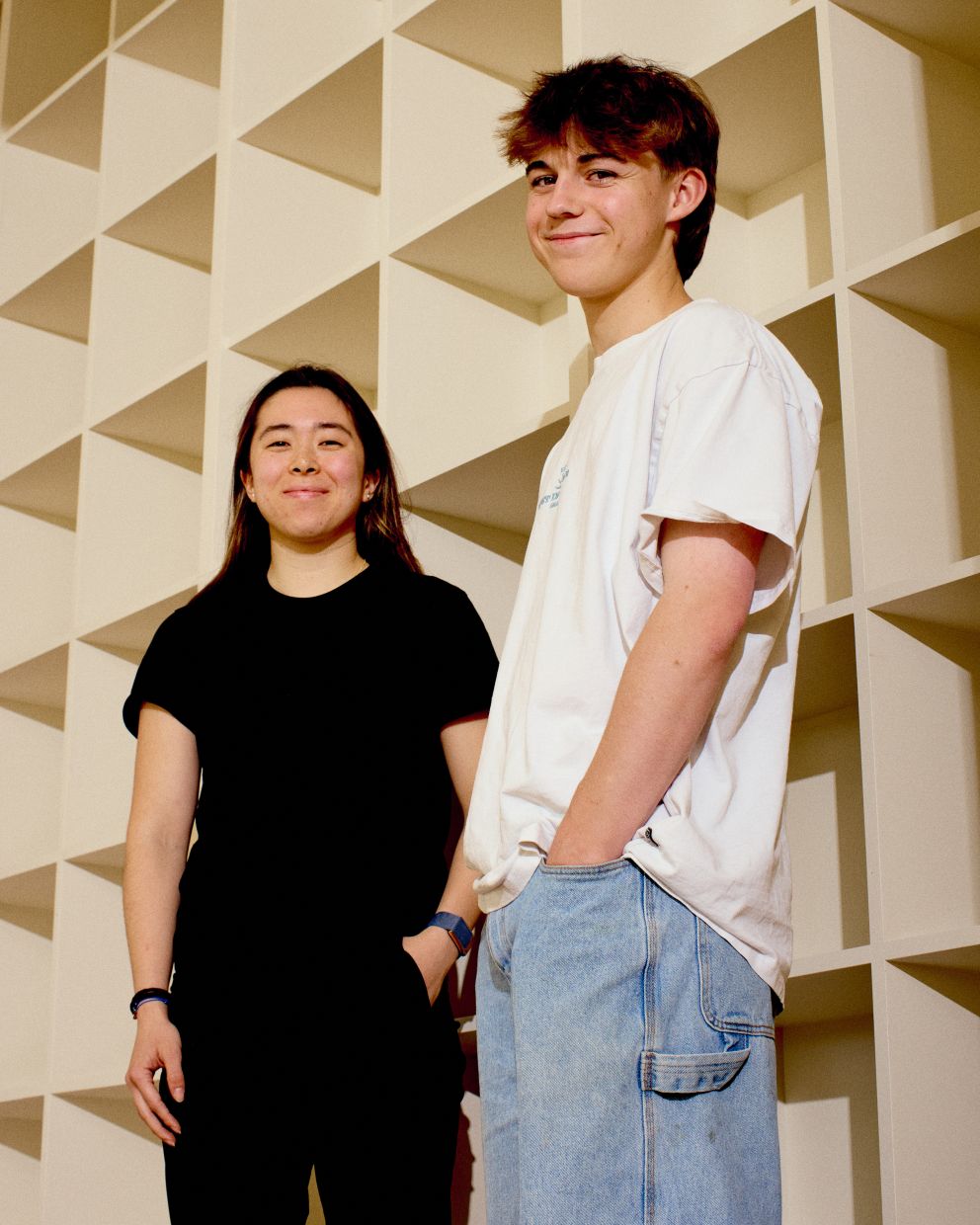
“Pretty much all the things I wanted to tell them in my head, it already knew about from tracking everything about my life, and it could just tell them without me having to think,” he said.
When Laverty started his job at an AI startup, Nox, everyone in tech was talking about OpenClaw. He was also inspired by Molly Cantillon, 22, the CEO of Nox, to try building his own agents. She has an AI agent that wakes her up with inspirational quotes, one that offers her stock trading advice and another that manages her calendar.
Laverty has about four or five agents – he lost count – controlling parts of his life. They all answer to one “god agent” that manages updates. The agents have access to his social media accounts, to tell him what’s trending and draft posts for him; they code for him; and they have access to his banking information.
His space-gray MacBook is always open and connected to Wi-Fi so he can run his agents around the clock.
“If I’m not doing this, then how am I going to attain like a level of success compared to the other people around me?” he said.
Yang said he had been obsessed with building agents with Anthropic’s tools since he started using them a few weeks ago. His company hosts a lot of networking events – like a sunset yacht party on San Francisco Bay – so he built an agent to scan his LinkedIn for prospects and draft outreach messages.
Constantly having AI agents crunch code costs money, and mistakes can add up. Yang upgraded his monthly subscription to the tools to $200, from $20, to support his increased use.
Laverty said he didn’t want to know how much he was spending, so he just didn’t check it.
John Kim, Ashton Teng and Quinn Leng launched their San Francisco cloud computing startup, Coral, last month to serve people who want to use OpenClaw.
One of OpenClaw’s major draws is that engineers don’t have to type code into a desktop computer. Many users connect it to iMessage or other messaging apps so they can send coding prompts to AI agents from a text message.
No longer chained to a computer screen, Leng, 31, finds himself compulsively texting or sending voice notes to his AI agents multiple hours a day, he said. Whether at the gym or on a walk with his girlfriend, he just tells his ideas to his agent.
“It’s so magical to me, to be honest it gets a little bit addictive,” Leng said.
He is among the engineers who have moved from typing commands to agents to using voice-to-text applications.
His co-founder Teng, 28, started talking so much in the office that he became self-conscious of disturbing his co-workers. So he considered buying a special microphone – like one used by race car drivers – to whisper commands to his AI agent. He worries that his attention span is getting shorter as he switches his train of thought more frequently from one coding idea to the next.
“It’s like TikTok for work,” Teng said.
As with any obsession, there are downsides. Laverty’s social media agent started randomly deleting his social media posts. But he believes any potential risks are worth it for how efficient he feels. He said he “wouldn’t be able to go back” to life before AI agents.
“I felt behind being here, and that kind of pressure led me towards exploring every avenue of AI agents and automations and how it can be integrated into my personal life,” Laverty said. “AI is very, like, heavily shaping who I am right now.” – ©2026 The New York Times Company
This article originally appeared in The New York Times.